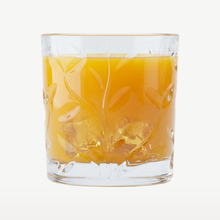
La Rochère Abeille Coupe 20 cl - 6 Pieces

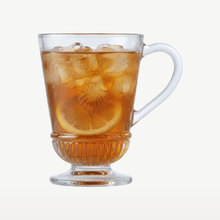
La Rochère Antillaise Iced Tea Glass 29 cl - 6 Pieces

La Rochère Perigord Coupe 22 Cl - 6 Pieces

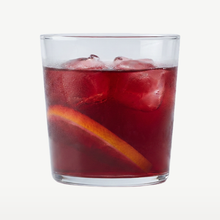
Bormioli Rocco Fortuna Iced Tea Glass 32 Cl - 6 Pieces

The salmon tartare recipe
for your table
Remove the skin from the salmon, cut away the line of bones down the middle of the fillet, and trim off the dark gray flesh along the skin side. That gray part is the fattiest and strongest in flavor, and removing it keeps the tartare clean-tasting.
Place the salmon on a small plate in the freezer for half an hour. It should feel firm but not be frozen through; then the knife will slice cleanly through the flesh instead of squashing it.
Using a sharp knife, cut the fillet into cubes about half a centimeter across: first cut it into strips, then cut the strips into cubes. Don’t finely chop the salmon or use a food processor, as this breaks the fibers and lets the moisture run out.
Just before serving, stir in the shallot, lime juice, dill, capers, and a drizzle of olive oil, then season with salt and pepper. Then loosely press the tartare into a ring or glass and carefully remove the ring.
What did you think of this recipe?
One click on a star is enough. If you’d like to add a comment, we’ll review it before it appears here.
Save this recipe
Send the salmon tartare recipe to your own email so you’ll have it handy when you’re ready to make it. You’ll also get a € 5 discount code on purchases of € 50 or more, for the matching glasses.
The story
Tartare is a method, not a type of fish: raw meat or fish, finely cut and served cold. Salmon works well because it’s fatty enough to stay tender without heat, yet firm enough to hold its shape in cubes. That same fat is also its weak point. As soon as you chop the salmon finely or put it in a machine, you break open the fibers, the moisture runs out, and you’re left with a mush that no dressing can bring back. So everything in this recipe is about the knife and when you dress the fish, not the herbs.
The right glass
Tartare gets its shape from the glass, so the glass determines the result. You want a wide opening and a flat bottom: press the salmon in loosely, and the top stays flat enough for the dill and capers, with room for a small fork beside it. The narrower and taller the glass, the harder you have to press, and then you end up squashing the cubes into a paste. For a one- or two-spoon bite, the eight-centiliter amuse-bouche dish is the right size; for a starter with avocado underneath, use the low tumbler measuring just over seven centimeters in diameter, which fits a six-centimeter ring perfectly. A completely smooth, straight-sided verrine glass isn’t in our range, so you’ll have to make do with the textured exterior. Larger sizes are listed under dessert glasses.

La Rochère Folies Amuse Bowl 8 cl (6 pieces)

RCR Circus Low Tumbler 17 cl (6 pieces)
Both sets together € 50,90.
The right tools
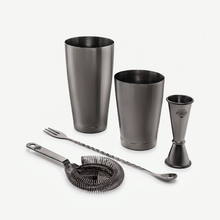
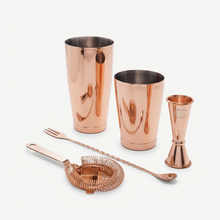
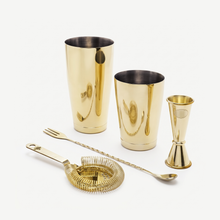
Alongside a glass, you’ll need a zester for the lime zest and a citrus juicer for the juice when making salmon tartare. These are the bar tools we use ourselves; find them all in our bar tools & cocktail sets.


Glass set (our pick 01) + 2 bar tools together € 49,85.
What to serve with it?
Salmon is fatty and the dressing is acidic, so you want something fresh with enough acidity alongside it. A dry white wine is a safe choice, and sparkling wine works even better because it cuts through the salmon's richness. Popular choices include Burgundy and Champagne. On each drinks page, you can read about the alcohol percentage, flavor, cocktails to pair with it, and which glass you need.


Variations & twists
Mixing some smoked salmon into the fresh salmon adds depth: keep it to about a quarter of the total weight, or the smoky flavor will overpower everything. Avocado underneath works well, either cubed or as a cream, and instantly turns it into a starter. A teaspoon of wasabi instead of mustard makes it sharper, while crème fraîche and chives make it milder. You can prepare it the same way with tuna or sea bass, using different herbs. Looking for more inspiration? Browse over 100 cocktail recipes.
Serving tip
Keep the salmon in the fridge until the last moment and only dress it once the glasses are ready; as soon as the salt and acid are added, moisture starts to seep out. Chill the glasses too, and scatter the dill and capers over the top at the very end. Serve the toasted bread on the side, not underneath, so it stays crisp.
Good to know
Cut or chop?
Cutting. With a sharp knife, cut it into half-centimeter cubes to keep the fibers intact and the moisture inside the fish, so you can still feel each cube separately. If you finely chop the salmon or put it through a machine, you break open the fibers; the moisture and fat are released, and within a few minutes you’ll have a spreadable paste instead of tartare. There’s no undoing that, so start with a really sharp knife.
Which part of the salmon fillet should you use?
The thick, middle part of the fillet, without the skin. Cut out the line of bones in the middle and scrape off the dark gray flesh along the skin side: that’s the fattiest part and has the strongest flavor. You can also use the tail end, but it’s thinner and harder to cut into evenly sized cubes.
Why half an hour in the freezer?
Salmon is soft, and a tender piece of fish pushes away from the knife instead of letting itself be cut. Half an hour in the freezer firms up the outside while the inside is still unfrozen, giving you neat cubes. If you leave it too long and it freezes through, the cut will be ragged and you’ll lose moisture when it thaws.
When should you dress the tartare?
Just before serving, and no more than fifteen minutes ahead. Salt and lime juice draw moisture out of the fish, so the longer the dressing sits, the more liquid collects at the bottom of the glass. You can cut it ahead of time: the cubes will keep for a few hours in the fridge under plastic wrap, so you’ll be ready in a minute when it’s time to serve.
Raw salmon: what should you look out for?
Buy salmon that the seller recommends for eating raw, and tell them what you’re using it for. Keep the fish cold from the store to the glass, cut it on a clean board with a clean knife, and eat the tartare on the day you buy the salmon. Don’t keep any leftovers until the next day.
Frequently asked questions
How do you cut salmon for tartare?
Remove the skin and pin bones, put the fillet in the freezer for half an hour, then use a sharp knife to cut it into strips and the strips into half-centimeter cubes. Chopping or using a food processor will make the salmon mushy, as the moisture will run out.
Can you make salmon tartare ahead of time?
The cubes, yes, but not the dressing. Cut the salmon a few hours ahead and keep it covered in the refrigerator. Add the salt and lime juice just before serving; otherwise, moisture will be drawn out of the fish and a layer of liquid will collect under the tartare.
Can you add smoked salmon to salmon tartare?
Yes, and it adds more depth. Keep it to about a quarter of the total weight and cut the smoked salmon to the same size as the fresh salmon; otherwise, all you’ll taste is smoke.
What glass should you use for salmon tartare?
For a bite with drinks, use an amuse dish of around 8 centiliters, which is just right for one or two spoonfuls of tartare. For a starter, use a low, wide glass with a flat base, in which you can gently press the tartare and serve it straight away.
Also delicious
Everything for your bar,
to one address
Restaurant-quality glasses, sold in sets. Order today, delivered quickly.
Shop for glasses →