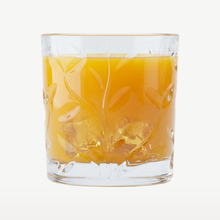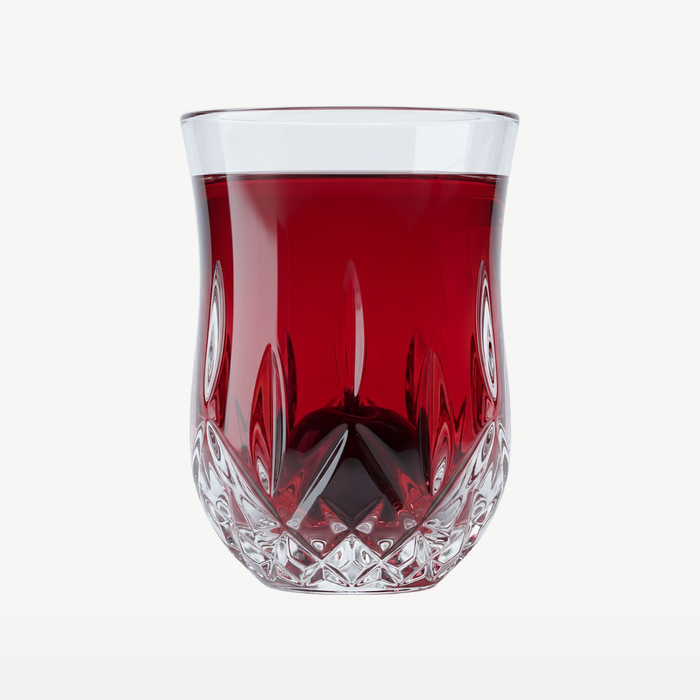
RCR Opera Shot Glass 6 Cl - 6 Pieces
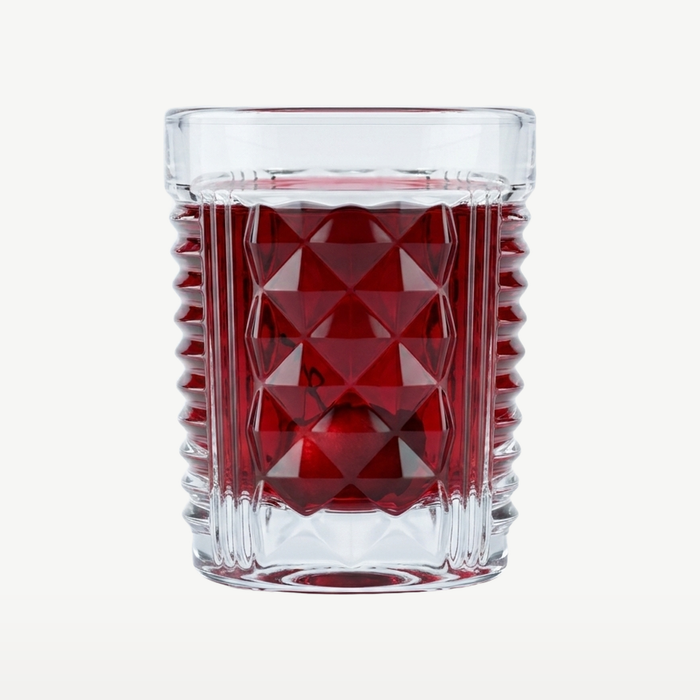
La Rochère Shot Glasses 6 Cl Assorted - 4 Pieces
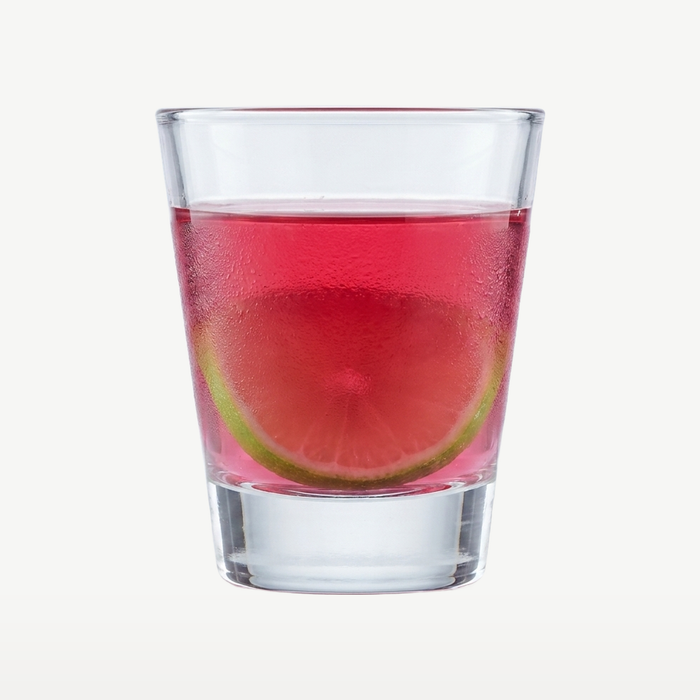
Arcoroc Gin Shot Glass 5 Cl - 24 Pieces

Arcoroc Gin Shot Glass 3.5 Cl - 24 Pieces

The bisque recipe
for your table
Rinse the heads and shells and pat them dry. Roast them in a dry, hot pan or in the oven at 220 degrees until they turn bright red and smell like roasted shrimp. This takes five to ten minutes. Wait until the color really changes, because unroasted shells make for a bland, watery soup.
Gently sauté the onion, carrot, and celery in the same pan. Stir in the tomato paste and cook for one minute. Remove the pan from the heat, pour in the cognac, and carefully set it alight. Prefer not to flambé? Let the alcohol simmer away for a minute.
Pour in enough fish stock to cover everything and stir in the rice. Let it simmer gently for three-quarters of an hour with the lid ajar. The rice will break down and thicken the soup, so there’s no need for flour.
Briefly purée everything and press it through a fine sieve. Then pass the soup through a rinsed-out cloth once more; only then will it be smooth enough for a glass. Stir in the cream, heat it without letting it boil, and season with salt.
What did you think of this recipe?
One click on a star is all it takes. If you’d like to add a comment, we’ll review it before it appears here.
Save this recipe
Send the bisque recipe to your own email so you have it handy when you’re ready to make it. You’ll also receive a €5 discount code for orders over €50, to use on the glasses that go with it.
The story
Bisque comes from French cuisine. It’s a thick soup made from shellfish such as lobster, langoustine, crab, or shrimp. What makes it special is that it contains almost none of the expensive part: the meat. Its flavor comes from the heads and shells left over after peeling. That’s why bisque has traditionally been a frugal dish. What would otherwise go in the trash becomes a starter. Its smooth, almost velvety texture is just as important as its flavor. You get it by straining the soup first and then thickening it, not by adding more cream.
The right glass
Hot soup in a small glass calls for heat-resistant glassware, which is rare in shot-glass sizes. The Hot Shot glass is made for just that. According to the description, the heat-resistant glass can handle warm shots and liqueur coffee without cracking. At 6.4 centiliters, it’s just the right size for a three-sip amuse-bouche. You can hang a peeled shrimp over its sturdy rim. If you’re serving a full portion as a starter, choose the wide, low amuse-bouche glass, which holds 23.5 centiliters. It’s big enough for a tablespoon, and the garnish stays on top. Find more small sizes in our shot glasses.

Arcoroc Hot Shot Shot Glass 6.4 cl (12 pieces)

Pasabahce Elysia amuse-bouche glass, 23.5 cl (set of 4)
Both sets together € 42,90.
The right tools
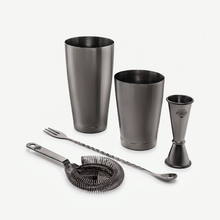
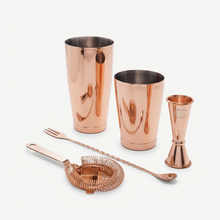
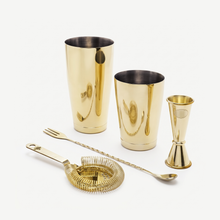
For bisque, in addition to a glass, use a fine strainer to push the soup through and a jigger to measure the cognac. These are the bar tools we use ourselves; find everything in our bar tools & cocktail sets.


Glass set (our choice 01) + 2 bar tools together € 50,85.
What to serve with it?
Bisque is rich and creamy, so you want something dry and fresh alongside it to cut through the cream. Champagne is the classic choice with shellfish, and a dry white wine with some body works just as well. The cognac in the recipe is best served after the meal rather than alongside it. Each drink page tells you the alcohol percentage, what it tastes like, which cocktails go with it, and which glass you need.


Variations & twists
Lobster heads make the soup richer than shrimp. Crab gives it a sweeter flavor. No cognac on hand? Leave it out and add an extra spoonful of tomato paste to maintain the color and body. A pinch of cayenne at the end makes it sharper without tasting truly spicy. And with half a spoon less rice, it stays pourable rather than spoonable. Looking for more ideas? Browse more than 100 cocktail recipes.
Serving tip
First rinse the glass with hot water and pour it out. That keeps the soup warm for longer. At the last moment, hang a peeled shrimp over the rim and draw a line across the soup with a few drops of cream. For a full serving, provide a small spoon too; otherwise, some of the thick soup will be left in the glass.
Good to know
Why roast the shells first?
Because all the flavour is in the shells, and it only comes out once they turn brown and bright red. During roasting, the moisture evaporates and the proteins and sugars in the shells brown. That creates the roasted, almost nutty note that identifies a bisque. If you put the shells raw into the stock, you mainly extract water and the soup stays bland. So wait until your pan really smells of roasted shrimp.
Flambéing with cognac: is it necessary, and how do you do it safely?
It’s not essential, but it does help. The high flame burns off the harshness of the alcohol and leaves the cognac’s dried-fruit notes in the soup. Take the pan off the heat and turn off the extractor fan. Pour in the splash and carefully light it with a long match, at arm’s length and with nothing flammable above it. Let the flame go out on its own. If you’d rather not flambé, just let the alcohol simmer off for a minute. The result is almost the same.
Do you thicken bisque with rice or a roux?
Traditionally, rice is used. A handful of rice cooks in the stock, breaks down and releases its starch. Then you blend and strain everything. This thickens the soup without the floury taste that a flour roux can sometimes give, and it stays smooth after straining. A butter-and-flour roux works too and is quicker. Just cook it for a little while, or you’ll taste the flour.
Strain twice, first through a strainer and then through cloth
After blending, there are shell shards in the soup that an ordinary strainer won’t catch. First, push it through a fine-mesh strainer. Then pass it through a rinsed tea towel or cheesecloth one more time. Don’t squeeze the cloth; let the soup drip through slowly. It takes a few minutes, but it’s the difference between soup you spoon from a bowl and soup you drink from a glass.
Bisque as an amuse-bouche in a glass
Fill a small glass with five to ten centilitres to about two-thirds full. That’s three sips. Hang a peeled shrimp over the rim so your guest can immediately see what the soup is made from. Strain it extra well. In a glass, you’ll feel every shard that you wouldn’t notice in a bowl. Serve it warm but not boiling hot, or everyone will leave it.
Frequently asked questions
What is bisque?
A French, thickened soup made with shellfish, usually lobster, langoustine, crab or shrimp. The flavor comes from the roasted heads and shells, not the meat. You strain the soup, thicken it with rice or a roux, and finish it with cream just before serving.
Why do you need to roast the shells for bisque?
Because the flavor is only released when the shells turn brown. Dry-roast them in a hot pan or in the oven at 220 degrees until bright red and fragrant. This takes five to ten minutes. Without roasting, you'll get a bland, watery soup.
Can you make bisque without cognac?
Yes. Cognac adds depth, but you can make it without. Leave it out and add an extra tablespoon of tomato paste for color and body. If you want to use cognac but not flambé it, simmer it for a minute to cook off the alcohol. This also takes the edge off.
What glass should you serve bisque in as an amuse-bouche?
In a 5- to 10-centiliter glass that can withstand hot liquid. Fill it about two-thirds full and hang a peeled shrimp over the rim. If you're serving a full portion as a starter, choose a wide, low glass of at least 20 centiliters that can fit a tablespoon.
Also delicious
Everything for your bar,
to one address
Hospitality-quality glasses, sold in sets. Order today, delivered fast.
Shop glassware →