Burgundy
Burgundy is a wine region in eastern France. What you taste depends on the soil beneath the grapes, sometimes even from one parcel to the next. The label tells you which rung of the ladder a bottle is on. Read on to find out how it works.


Wine by type
Burgundy is connected to a large part of the selection. Here’s what else we have to read about the grapes and neighboring regions.
Chardonnay
The white grape that comes from here, from fresh and mineral to full-bodied and creamy when aged in oak.
About Chardonnay →Crémant
The French sparkling wine from outside Champagne, with a Crémant de Bourgogne made from Chardonnay, Pinot Noir, Gamay and Aligoté.
About Crémant →
Red wine
The entire red wine selection, from grapes to serving temperature and glass.
About red wine →
White wine
The white wine selection, from bone dry to dessert sweet, with what to expect in your glass from each grape.
About white wine →An old region where you can taste the soil in your glass
The region lies in eastern France between Dijon and Lyon. It has about 29,000 hectares of vineyards and produces around 1.5 million hectoliters of wine each year, almost all of it still red and white wine. Winters are cold and summers warm, with a temperate continental climate. Frost and hail are well-known risks here. Wine has been made in Burgundy since Roman times, but its real fame came in the Middle Ages, when monasteries held considerable influence. It is considered one of France's oldest and most prestigious wine regions. What makes the wine so distinctive is the soil. It varies from one plot to the next, as does the microclimate, and you can taste that in the wine.
Four grape varieties are officially permitted: Pinot noir, Chardonnay, Aligoté and Gamay. In practice, the focus is on the first two: Pinot noir for red wine and Chardonnay for white. Chardonnay originated in this region and thrives on its limestone soil. Aligoté has been grown here since the 17th century, producing a light, fresh white wine with citrus, green apple and pear notes. The region includes subregions such as Chablis, the Côte d'Or, the Côte Chalonnaise, the Mâconnais and Beaujolais. The name on the label also tells you something about the wine's level. At the bottom is broad regional Burgundy; at the very top, a single vineyard with grand cru status.
In brief
Six bottles, from regional to premier cru
The pyramid starts with regional Burgundy and rises through village and premier cru wines to grand cru. With these six bottles, you can climb the ladder from bottom to top. Chablis stands apart because it has its own hierarchy.
Joseph Drouhin Burgundy Chardonnay
If you only see the word Burgundy on the label, the grapes come from the whole region. That's the bottom rung. Don't let that put you off, because the wine can be very good. This one is rounded yet fresh, with peach, apple and citrus.

JC Boisset Bourgogne Pinot Noir
Same tier, now in red. Fresh, with light red fruit like raspberry and strawberry. There’s an earthy note underneath, with a touch of mushroom.

JC Boisset Mâcon-Igé
The label lists a place name from the Mâconnais rather than a region. We mostly know this subregion for affordable, easy-drinking chardonnay. This one is full and ripe, but the fruit remains lively.

Joseph Drouhin Mercurey
A villages wine comes from a single commune. In this case, Mercurey, in the Côte Chalonnaise in the south of the region. It’s a robust pinot noir that can age well for a few years. You’ll taste raspberry and cassis, followed by spices, leather, and tobacco.

Joseph Drouhin Maranges Premier Cru
Premier cru is the second-highest tier. The wine comes from vineyards considered exceptional and is often more complex and intense than villages wines. This one is fruity, with an earthy note underneath, full-bodied, and with plenty of structure.

La Chablisienne Chablis la Pierrelée
Chablis is located around the town of the same name and has its own classification ladder: Petit Chablis, Chablis, premier cru, and grand cru. Only chardonnay is allowed. This wine is known for its minerality. Think lemon, green apple, and white blossoms.
Grand cru is the pinnacle of Burgundy: wine from the very best vineyards. Laroche, for example, has ninety hectares in Chablis, twelve of which are premier cru and four grand cru.
Elegant red fruit, white wines from mineral to creamy
From Chablis to Côte de Beaune
White Burgundy ranges from fresh and mineral, as in Chablis, to full and creamy in the Côte de Beaune. If the chardonnay has been aged in oak, you’ll also get vanilla, butter, and toast, sometimes with a hint of nuttiness.
Light, fruity and earthy
Pinot Noir makes light to medium-bodied red wine with a refined, elegant style. You'll usually taste strawberry, raspberry and cherry. Beneath those are the earthy notes you find so often in Burgundy.
You can taste the soil
The flavor is refined and often complex. And it varies from one plot to another. Soil and climate vary so much across Burgundy that two neighboring vineyards can produce wines with different flavors.
This is the profile of a red Burgundy made from Pinot Noir. Chablis scores higher on freshness and lower on fruitiness. A full-bodied white from the Côte de Beaune scores higher on intensity.
How to serve Burgundy
White wine chilled, but not ice-cold. Red wine a few degrees below room temperature. A young red can benefit from a little air.
White wine at 8 to 12 degrees
Chardonnay is usually served between 8 and 12 degrees. A fresh, fruity bottle such as Chablis should be on the cooler side and can spend around three hours in the fridge. A fuller, aromatic white Burgundy is best enjoyed at 10 to 12 degrees. An hour and a half to two hours in the fridge is enough.
The right glass →Red wine at 14 to 16 degrees
Pinot Noir is light to medium-bodied and belongs to the fruity red wines. It's usually served at 14 to 16 degrees. Half an hour in the fridge is enough. Only really powerful, full-bodied red wine should be closer to 18 degrees.
The six bottles →Decanting young red wines
Decanting exposes the wine to more oxygen, bringing out its aromas and flavors. Young, firm red wine needs this. Old, refined wine doesn't, because its aromas and flavors are already developed. Pour it into the decanter half an hour to three hours before serving.
Decanters →Cocktails similar to Burgundy
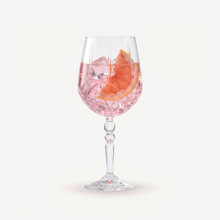
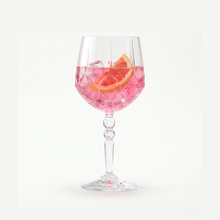
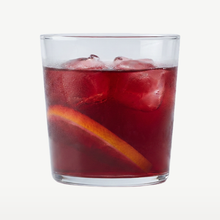
There aren't really any classic cocktails made with Burgundy wine. You drink this wine on its own. The only classic blend from the region is kir, Aligoté with a splash of blackcurrant liqueur. These four come closest: two with still red wine and two with sparkling wine.

Kir Royale
Blackcurrant liqueur at the bottom of the glass, topped up with sparkling wine. Made with still white wine, it's simply called kir.
Sangria
Red wine with chunks of fruit and plenty of ice, made to serve by the pitcher.
Tinto de Verano
Red wine topped up with sparkling lemon soda, served over lots of ice.
Bellini
Peach purée at the bottom of the glass, then slowly top up with a dry sparkling wine.The right glass for Burgundy
Red wine benefits from a little extra oxygen. That’s why red wine glasses are larger and wider than white wine glasses, with a bowl you can gently swirl the wine in. We call this type of glass a Burgundy glass. White Burgundy goes in a generous white wine glass, giving the fruit, butter, and vanilla room to shine. These are the glasses we recommend.


Everything else you wanted to know about Burgundy
Can’t find your question here? Browse our cocktail recipes or get in touch.
To the cocktail recipes →What makes Burgundy wine so special?
Where should you start if you want to get to know Burgundy?
What do grand cru, premier cru, and villages mean?
Which grapes are used in Burgundy?
Is Chablis also Burgundy?
At what temperature should you serve Burgundy?
Which glass should you use?
Buy Bourgogne
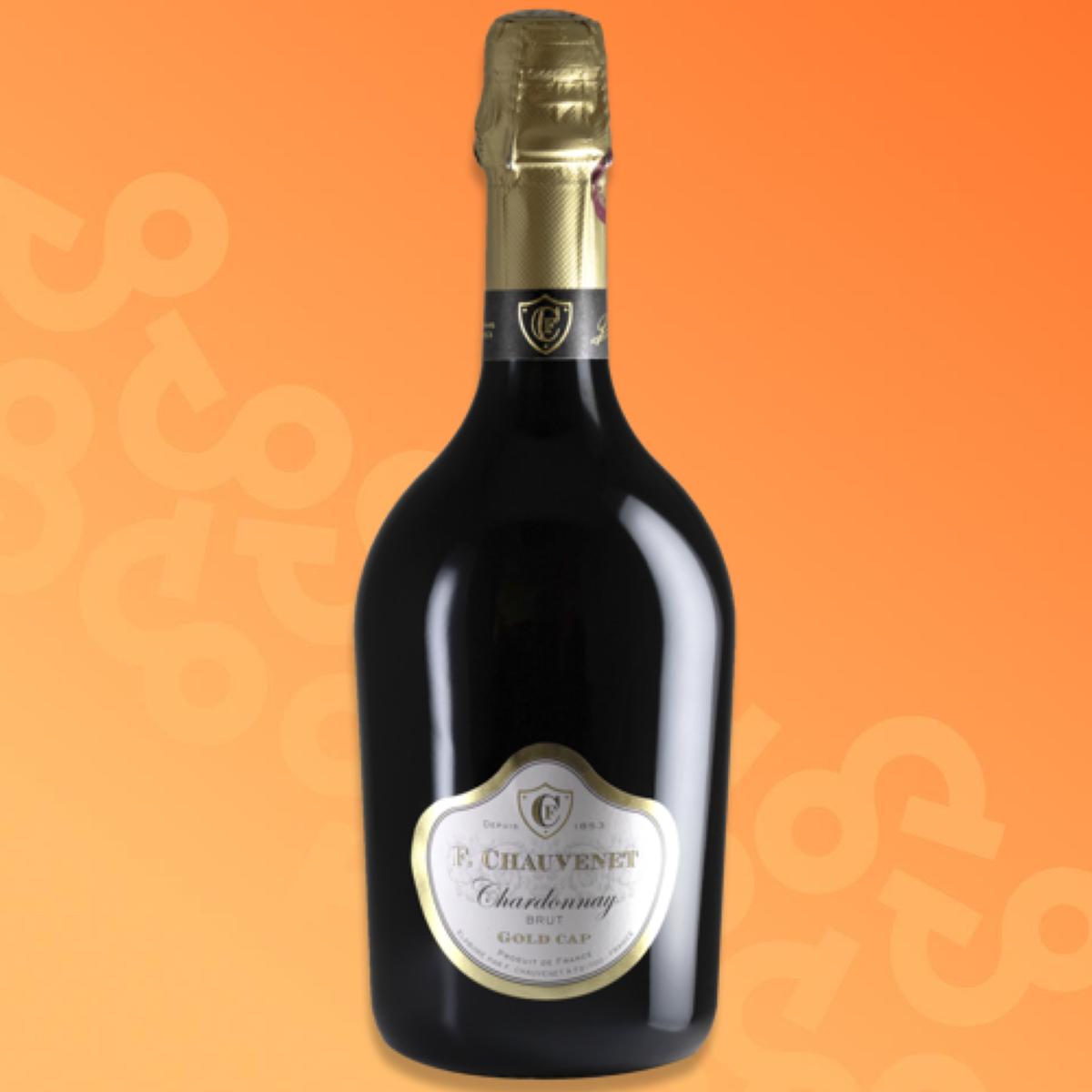
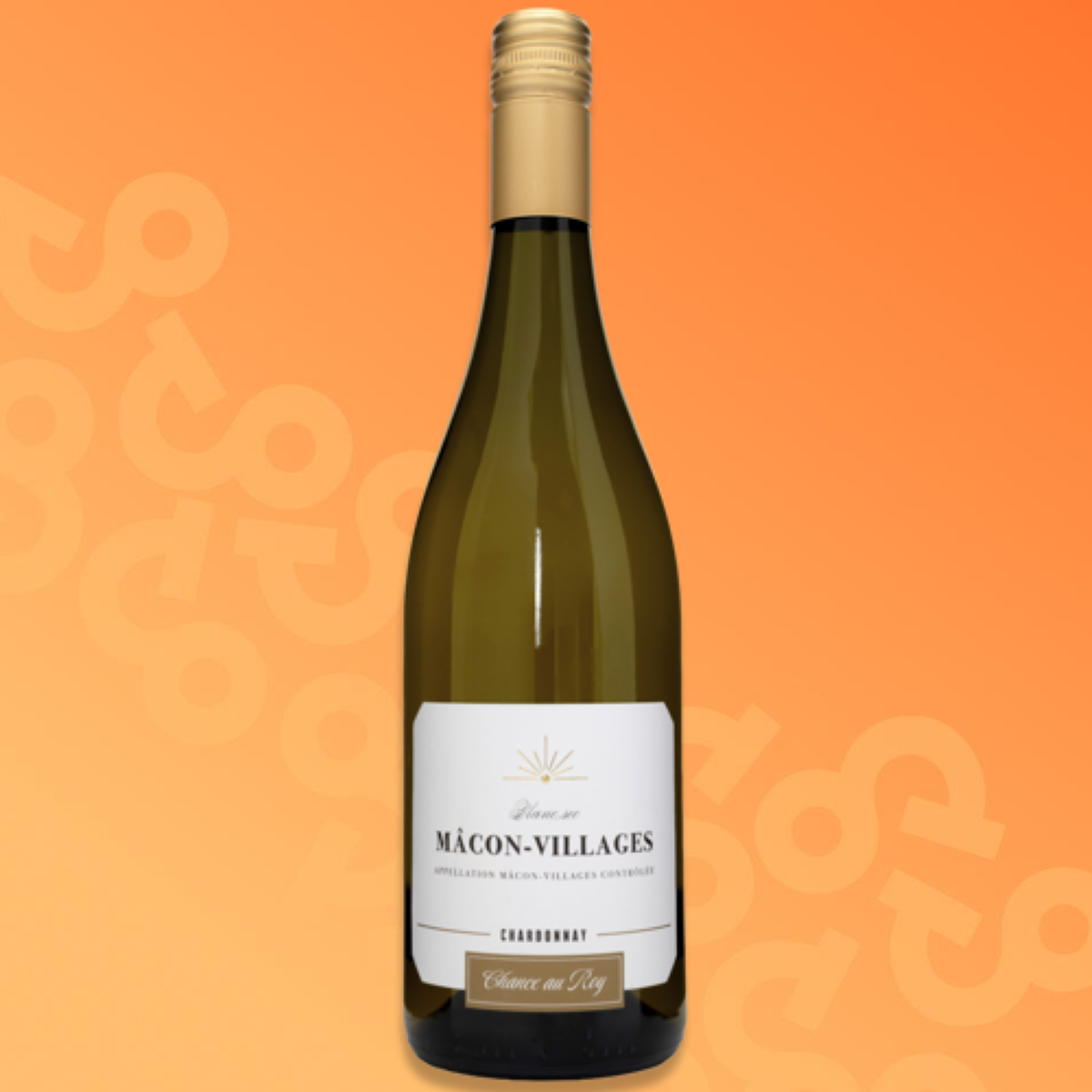
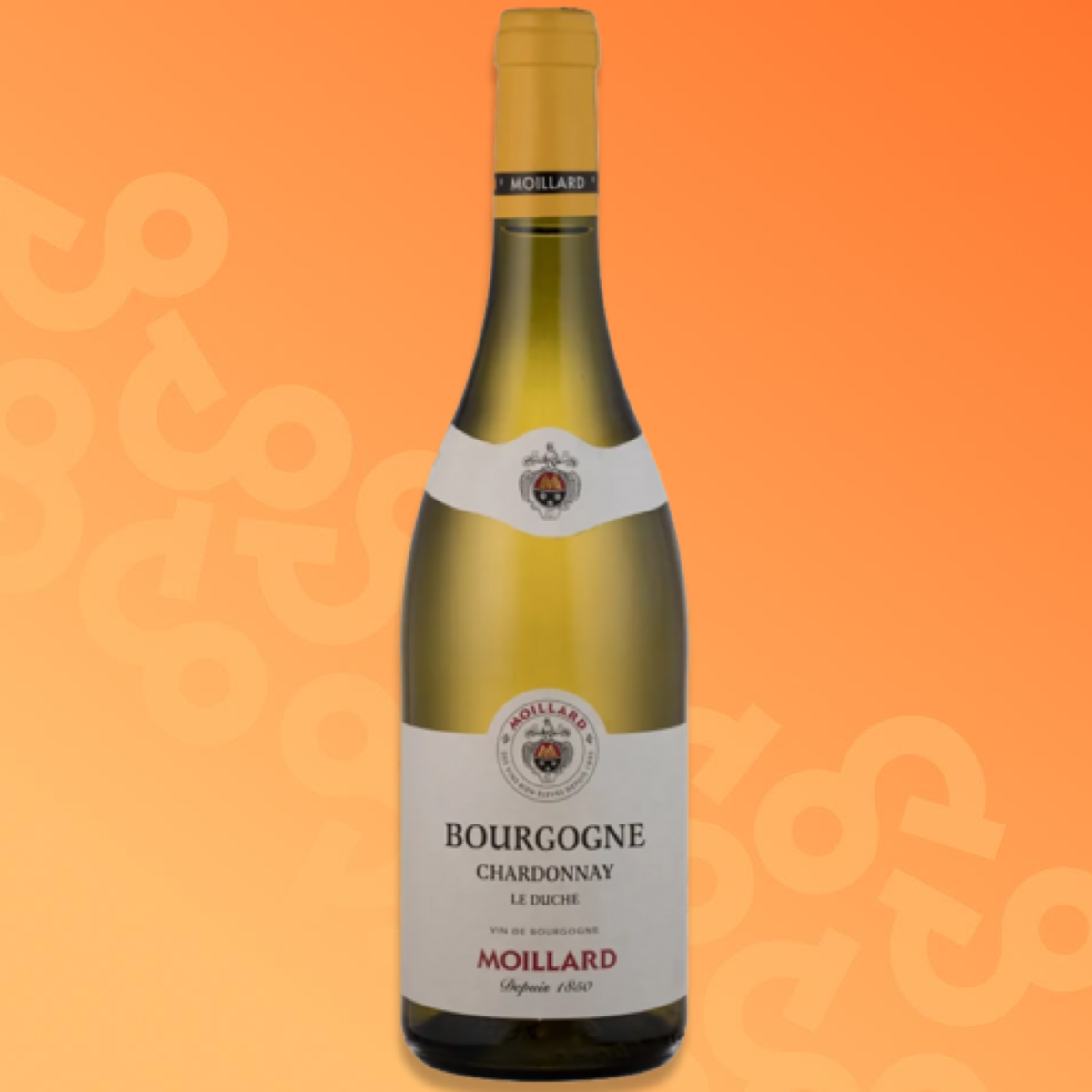
Want to have the bottle at home right away? Order Bourgogne online at Gall & Gall. Gall & Gall has 78.
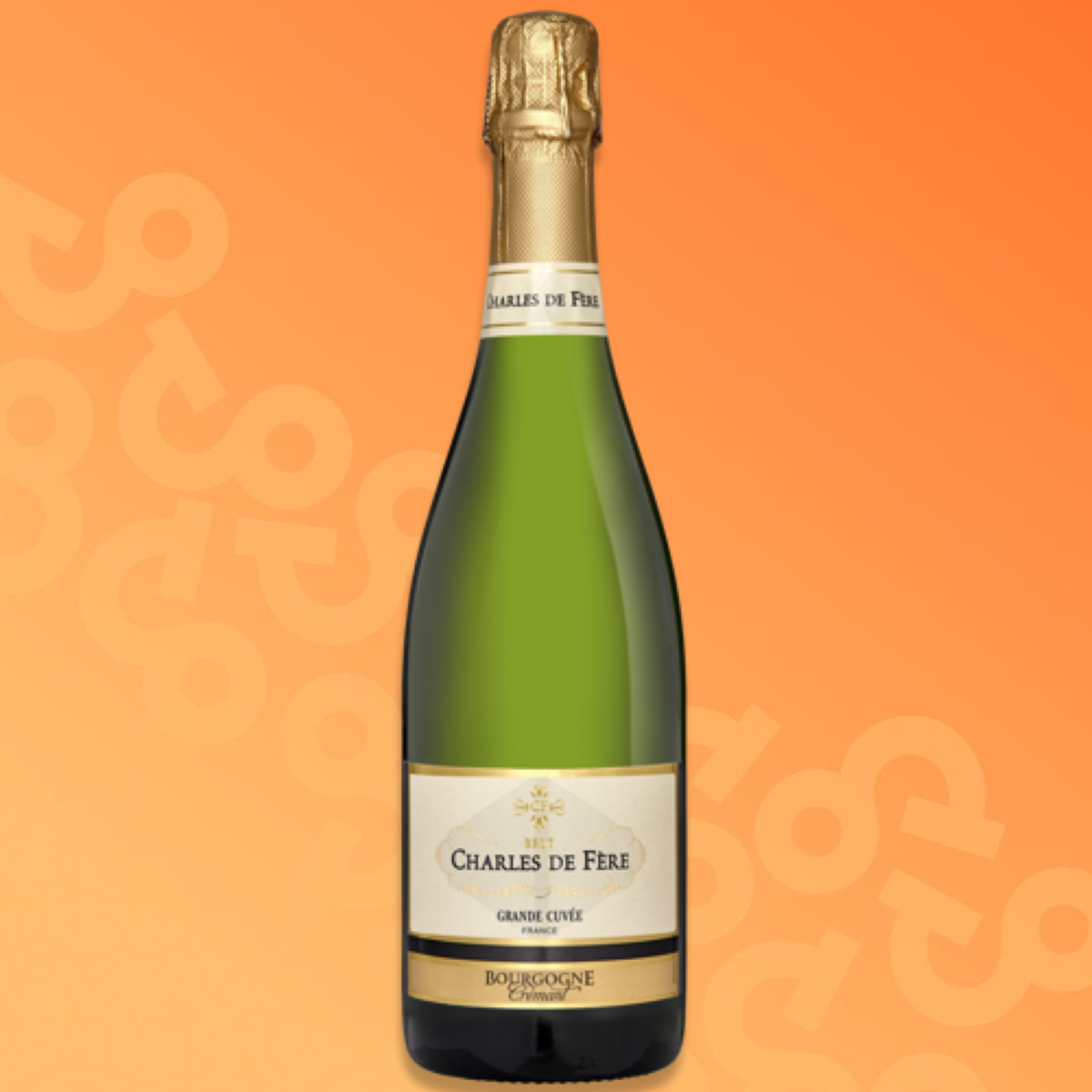
Cremánt De Bourgogne Brut Charles de Fère
Prices as of November 16, 2026, as provided by Gall & Gall. You can check the current price and stock at Gall & Gall. Glazen.nl receives a small commission if you buy something through these links; it costs you nothing extra. No alcohol under 18.