French wine
For many people, France is the wine country. Almost every well-known grape variety comes from here, and regions such as Bordeaux, Burgundy, and Champagne are world-famous. On this page, you can read about the regions, the grapes grown there, and how to read a French wine label.

The main French wine regions
Each French region has its own grapes and style. We have a dedicated page for each of the main regions, with explanations and bottles you can buy.

Burgundy
Elegant red and white wines made from a single grape variety, with Chablis in the north and Beaujolais in the south.
About Burgundy →
Champagne
The world’s most famous bubbles, made with a second fermentation in the bottle.
About Champagne →
Rhône
Spicy, full-bodied reds, from the steep slopes in the north to the sunny blends of the south.
About the Rhône →
Loire
Fresh white wine along France’s longest river: Muscadet, Sancerre, and Vouvray.
About the Loire →
Alsace
The only major French region where the grape variety appears on the label. Full-bodied, aromatic white wines.
About Alsace →

Languedoc
France's largest wine region, with plenty of affordable wines labeled by grape.
About Languedoc →Cabernet sauvignon and merlot, the Left and Right Banks, and the famous châteaux: read all about them on our Bordeaux page.
The label names the place, not the grape
In France, wine is all about where it comes from. The country was one of the first to establish a system of protected appellations of origin: the appellation d'origine contrôlée, now also called AOP. Each region has rules specifying which grapes may be grown, how much wine can be produced per hectare, and how the wine is made. That is why a French bottle usually names the region, village or even vineyard, rather than the grape. If you know which grapes are associated with which regions, you can still read a French label. Below AOP is IGP, regional wine from a larger area, often with the grape named on the label, such as IGP Pays d'Oc from the south. Below that is Vin de France, wine that can come from anywhere in France.
The best-known red wines come from Bordeaux, where winemakers blend cabernet sauvignon and merlot, and from Burgundy, where red wine is made from pinot noir and white wine from chardonnay. Just below it is Beaujolais, the home of gamay. In the Rhône Valley, syrah grows in the north, while the south produces blends based on grenache. The Loire and Alsace are best known for white wine, Provence for rosé, and Languedoc for sunny, affordable wines made from all kinds of grapes. Champagne lies in the north, where sparkling wine is made with a second fermentation in the bottle. Outside Champagne, wine made this way is called crémant. And then there are sweet wines, such as Sauternes from Bordeaux and vendanges tardives from Alsace.
In short
Seven bottles from seven regions
A tour of France in seven bottles: from fresh sauvignon blanc from the Loire to champagne, and from elegant Burgundy to sunny reds from the south.

J. de Villebois Sauvignon Blanc
Sauvignon blanc from the Loire made by a Dutch winemaker. Very fruity, with a nod to New Zealand.
Joseph Drouhin Bourgogne Chardonnay
Classic white Burgundy made from 100% chardonnay. Round on the palate yet fresh, with peach, apple and citrus.
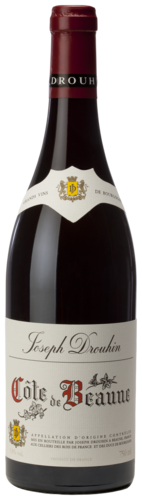
Joseph Drouhin Côte de Beaune Rouge
A classic red Burgundy made from pinot noir: raspberry, strawberry and wild berries, with a hint of truffle and oak.

Vidal-Fleury Côtes du Rhône
Mostly grenache, blended with syrah, mourvèdre and carignan. Cherry, blackcurrant, rosemary and chocolate.
Chapelle du Bois Merlot
Smooth red from the sunny south, juicy and approachable with plum and cherry notes.

Maritima
Rosé from Coteaux Varois en Provence. The grapes are harvested at night to preserve as much freshness as possible.
Louis Roederer Collection 246
Champagne from the Louis Roederer house in Reims. Lemon, green apple and pear, with fine bubbles.
What’s the difference between a Burgundy, a village wine and a premier or grand cru? Find out on our Burgundy page.
Fresh in the north, sunny in the south
Crisp and elegant
In the cool northern regions, such as Champagne, Chablis, the Loire and Alsace, the wine is fresh, with high acidity and moderate alcohol. White wines smell of citrus, apple and wet stone; red wines of red fruit.
Fruit and oak
In Bordeaux and Burgundy, you'll find wines with more structure. Bordeaux smells of cassis, cedar, and tobacco; red Burgundy of cherries, raspberries, and forest floor. Many of these wines are aged in oak and can be kept for years.
Ripe and spicy
It's warm in the southern Rhône, Languedoc, and Provence. Red wine there is fuller and riper, with dark fruit, pepper, and Mediterranean herbs, and often 14% alcohol or more.
Flavor profile of a typical French red wine, such as a Bordeaux or Côtes du Rhône. Loire or Alsace whites score higher on freshness, while reds from the south score higher on body.
How to serve French wine
Light reds cooler than you think, full-bodied reds just below room temperature, white wine and rosé chilled, and Champagne the coldest.
Red wine at 14 to 18 degrees
Serve light reds such as Beaujolais, red Loire, and red Burgundy at 14 to 16 degrees. Full-bodied reds from Bordeaux or the Rhône can be served at 16 to 18 degrees. If the bottle is in a warm room, put it in the fridge for fifteen minutes.
More about wine temperature →Let Bordeaux breathe
A young Bordeaux or northern Rhône often has firm tannins and benefits from half an hour to an hour in a decanter. Stand an old bottle with sediment upright a day in advance and pour it carefully. Burgundy is more delicate; decant it only when it is young and closed.
Decanters →Chill white wine, rosé, and Champagne
Serve crisp white wine and rosé at 8 to 10 degrees. A full-bodied white Burgundy can be served a little warmer, around 12 degrees. Serve Champagne and crémant at 6 to 8 degrees; place the bottle in a bucket of ice and water for fifteen minutes.
More about decanting →French wine at the table
In France, wine is enjoyed with food, and every region has its own classic pairings. A good rule of thumb: what grows together goes together.
Lamb and beef
Full-bodied reds from Bordeaux pair well with lamb, steak, and hard cheese. Spicy Rhône wines go well with stews, game, and dishes with thyme and rosemary.
Duck and mushrooms
Red Burgundy pairs well with duck, coq au vin, boeuf bourguignon, and mushrooms. A light Beaujolais is delicious with charcuterie and a simple meal, even lightly chilled.
Fish and goat cheese
Muscadet and Chablis pair well with oysters and shellfish, Sancerre with goat cheese, and Alsatian Riesling with sauerkraut. White Burgundy pairs well with fish and chicken in a cream sauce.
Aperitif and dessert
Champagne and Provençal rosé are ideal as an aperitif and with light dishes. Serve a sweet Sauternes with foie gras or blue cheese such as Roquefort.
The right glass for French wine
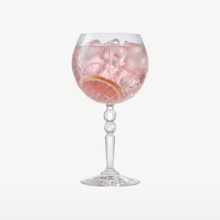
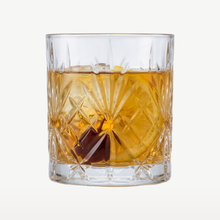
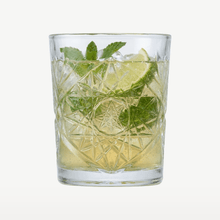
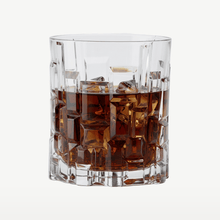
For full-bodied reds from Bordeaux or the Rhône, choose a tall glass with a large bowl. Drink red Burgundy and other light red wines from a generous glass, crisp white wines and rosé from a smaller glass, and champagne from a flute or tulip glass. These are the glasses we recommend ourselves.


Everything else you wanted to know about French wine
Can't find your question here? Read more about wine and food, or get in touch.
Wine and food pairing →What are the best-known French wine regions?
Why isn't the grape listed on a French bottle?
What does AOC or AOP mean on the label?
What is the difference between Bordeaux and Burgundy?
How much alcohol is in French wine?
What do you eat with French wine?
Buy French wine
Want the bottle delivered right to your door? Order French wine online at Gall & Gall. Gall & Gall has 494, including 13 on sale.
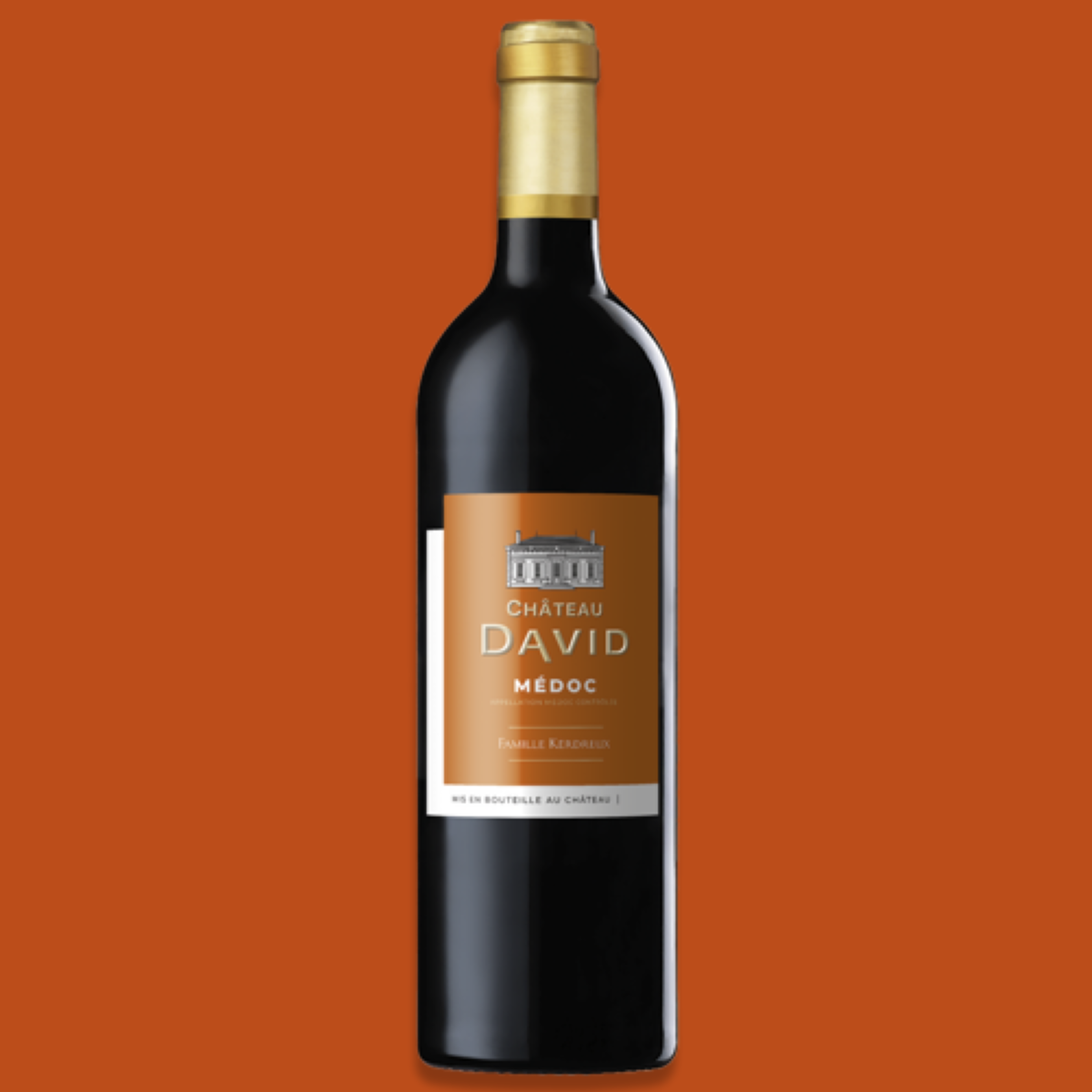
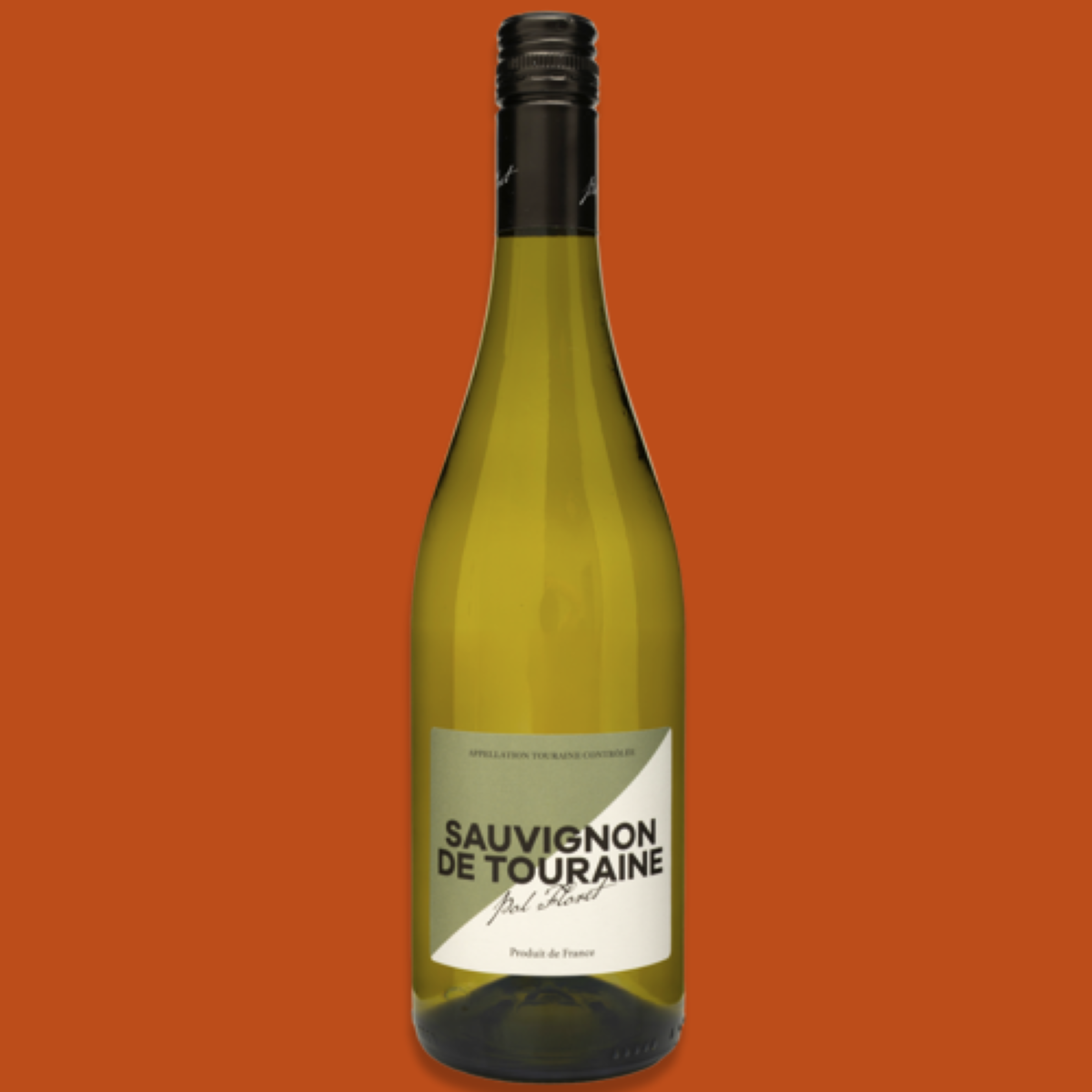
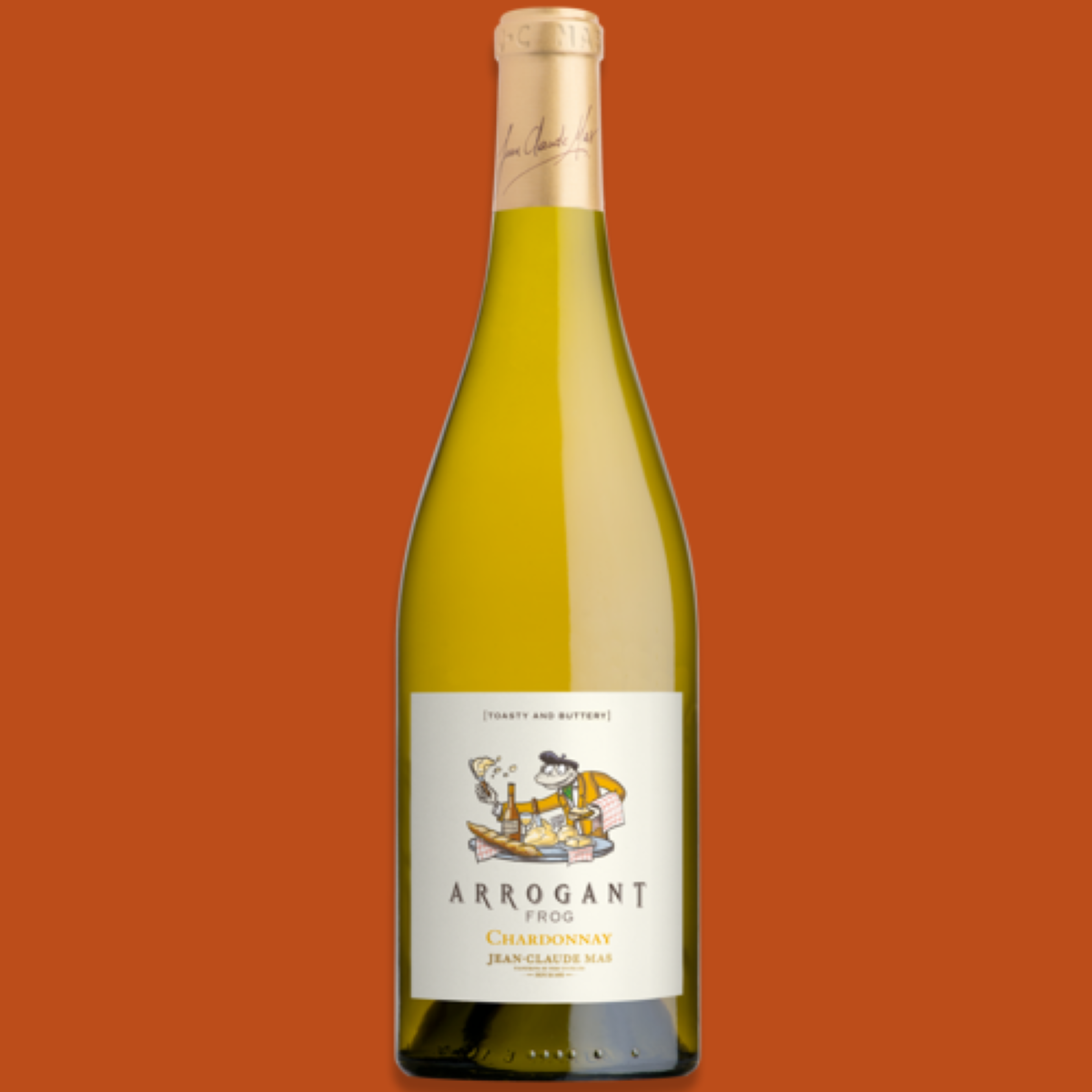
Arrogant Frog Toasty and Buttery Chardonnay
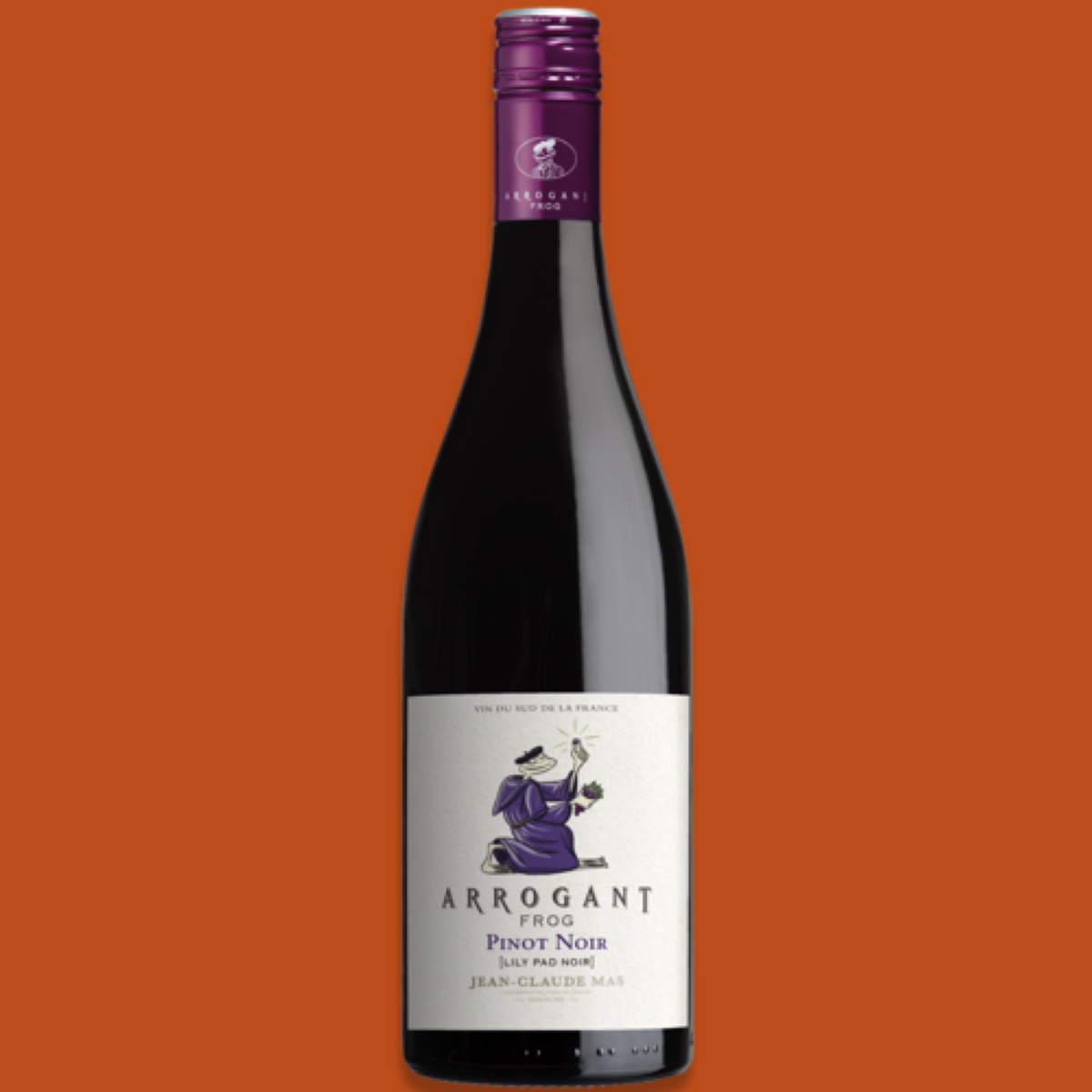
Arrogant Frog Pinot Noir
Prices as of November 22, 2026, as reported by Gall & Gall. You can see the current price and stock at Gall & Gall. Glazen.nl receives a small commission if you buy something through these links; it costs you nothing extra. No 18, no alcohol.