Italian wine
Wine is made in every region of Italy, from the Alps in the north to Sicily in the south. The country has hundreds of native grape varieties and a few world-famous names: chianti, barolo, amarone and prosecco. This page tells you which regions and grapes you need to know.


Italy’s main wine regions and grapes
Italy is too large and diverse for a single page. That’s why we’ve given the most important regions and grapes their own pages.


Veneto
Valpolicella, ripasso and amarone, as well as soave, pinot grigio and prosecco.
About Veneto →

Prosecco
The fresh, fruity bubbles from Veneto and Friuli, for aperitifs and spritzes.
About prosecco →
Primitivo
The warm, fruity red wine from the heel of the boot, made from the same grape as Zinfandel.
About Primitivo →
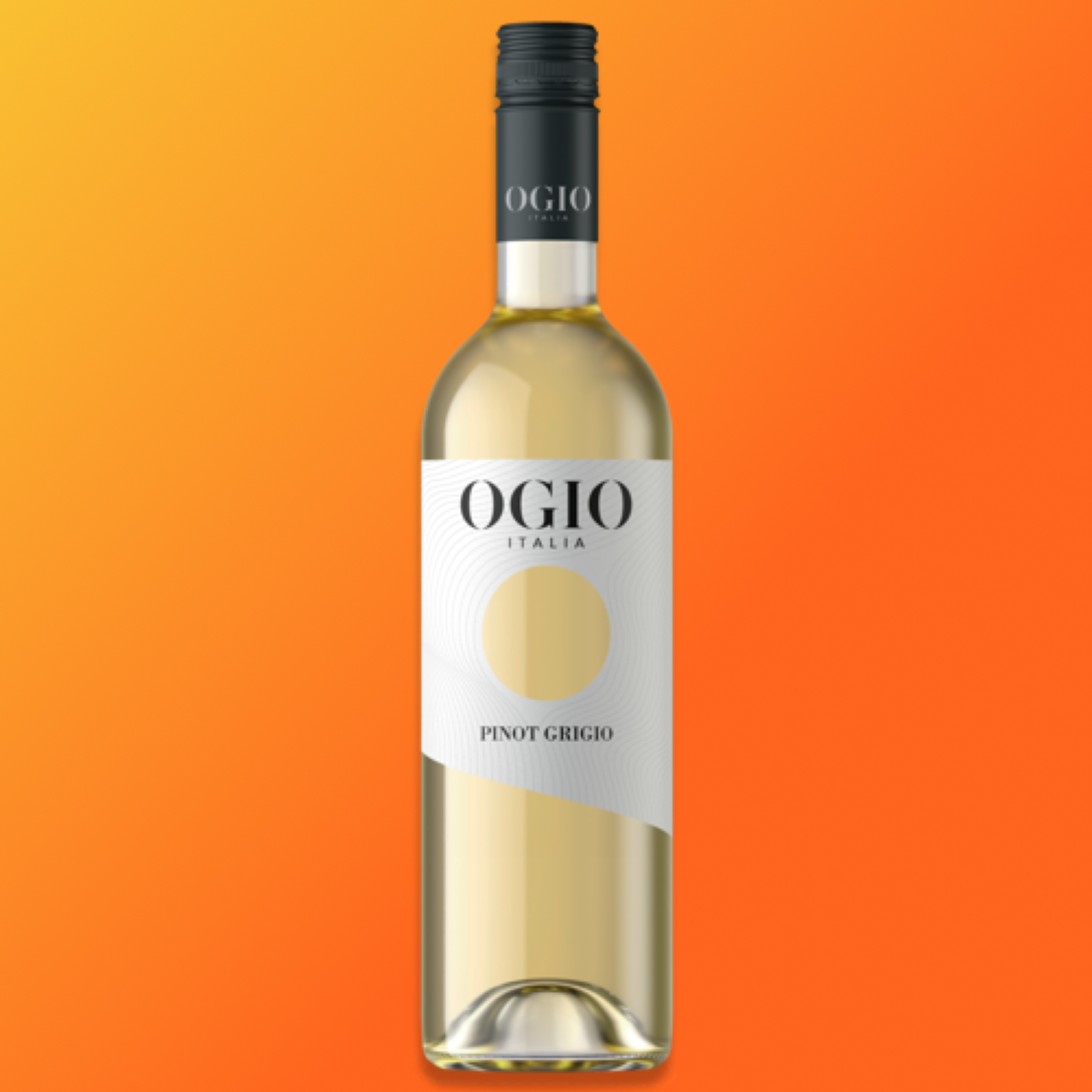
Pinot Grigio
Italy's most popular white wine, from Trentino, Friuli, Veneto and beyond.
About Pinot Grigio →Barolo is one of Italy's greatest red wines. Read why, and how best to serve it.
Every region has its own grape
Italy is one of the world's largest wine-producing countries. Wine is made in all twenty regions, and almost everywhere from local, indigenous grapes. This makes Italian wine diverse and sometimes confusing. The label may show a place, such as Chianti or Barolo, or a grape and a place, such as Barbera d'Asti or Montepulciano d'Abruzzo. The quality ladder ranges from simple wine through IGT, wine from a larger area with more flexible rules, to DOC and DOCG, the appellations of origin with the strictest rules. An IGT can be excellent, though: many Super Tuscans from Tuscany carry that designation.
In the northwest lies Piedmont, home to Barolo and Barbaresco made from Nebbiolo, juicy Barbera and crisp Gavi. In the northeast are Veneto, with Valpolicella, Amarone and Prosecco, and the mountainous regions of Trentino-Alto Adige and Friuli, known for Pinot Grigio and other crisp white wines. Central Italy is the land of Sangiovese, the grape behind Chianti and Brunello in Tuscany. Montepulciano grows along the Adriatic coast, and Verdicchio in the Marche. The farther south you go, the warmer and fuller the wine: Primitivo and Negroamaro in Puglia, Aglianico in Campania, and Nero d'Avola, Grillo and the wines of Mount Etna in Sicily. Italian wine often has fresh acidity and a slightly bitter finish. This makes it especially suited to drinking with food.
In brief
Seven bottles, from north to south
A journey through Italy in seven bottles. We start in the cool mountains of the north and end in sunny Sicily.
Lavis Classici Pinot Grigio
Pinot Grigio from high-altitude Trentino, where the grape produces a spicy, fresh white wine.

Gavi La Battistina
White wine made from the Cortese grape from the far south of Piedmont. Fruity and spicy.

San Silvestro Barbera d'Asti
Fresh, straightforward red wine from Piedmont. Aromatic, with cherries, plums and strawberries.

Zonin Valpolicella Ripasso Superiore
Valpolicella made from Corvina, Rondinella and Molinara, with a second fermentation on Amarone must. Full-bodied and rounded.
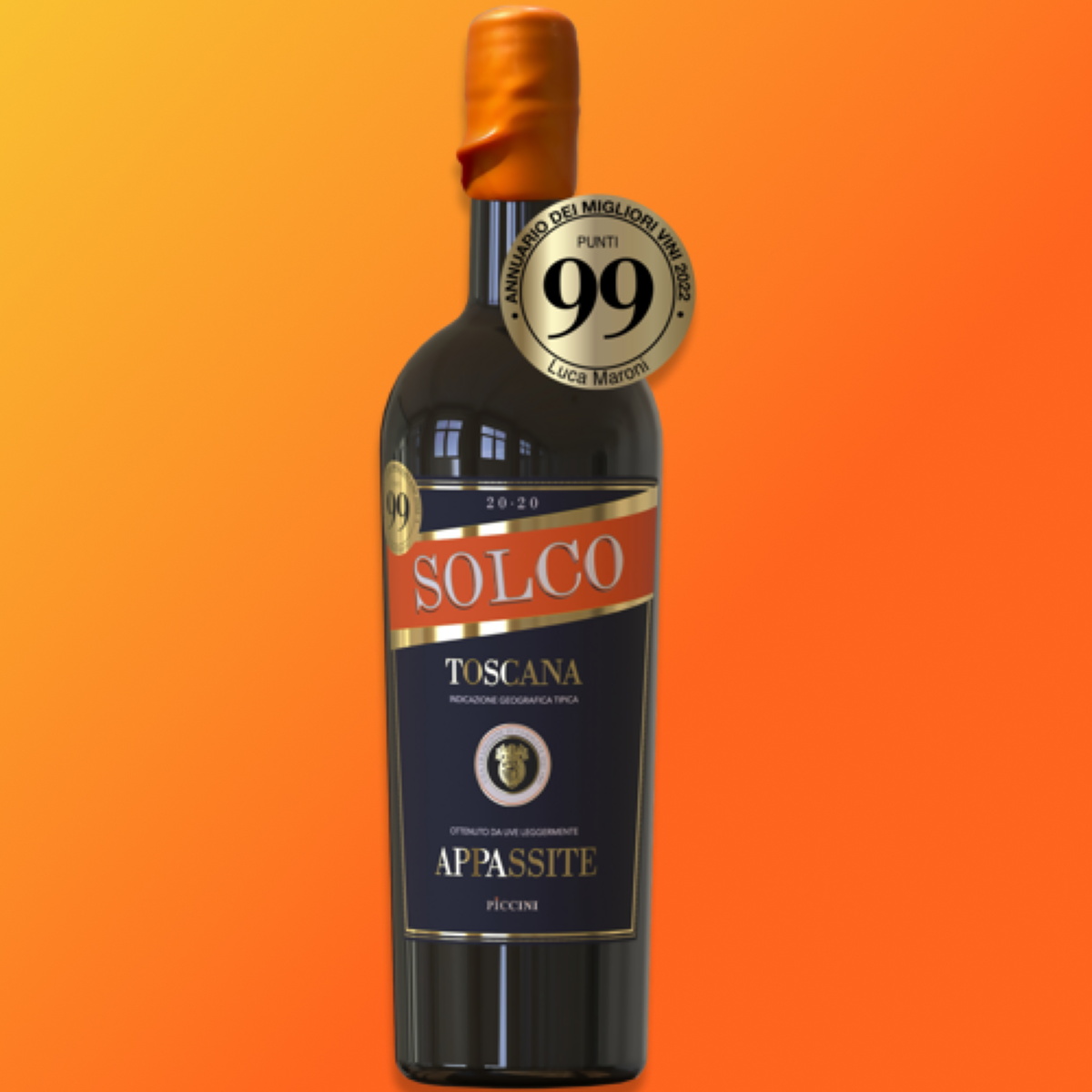
Piccini Chianti Classico
Sangiovese with a little Merlot from the original Chianti region, aged in oak for nine months. Elegant and rounded.
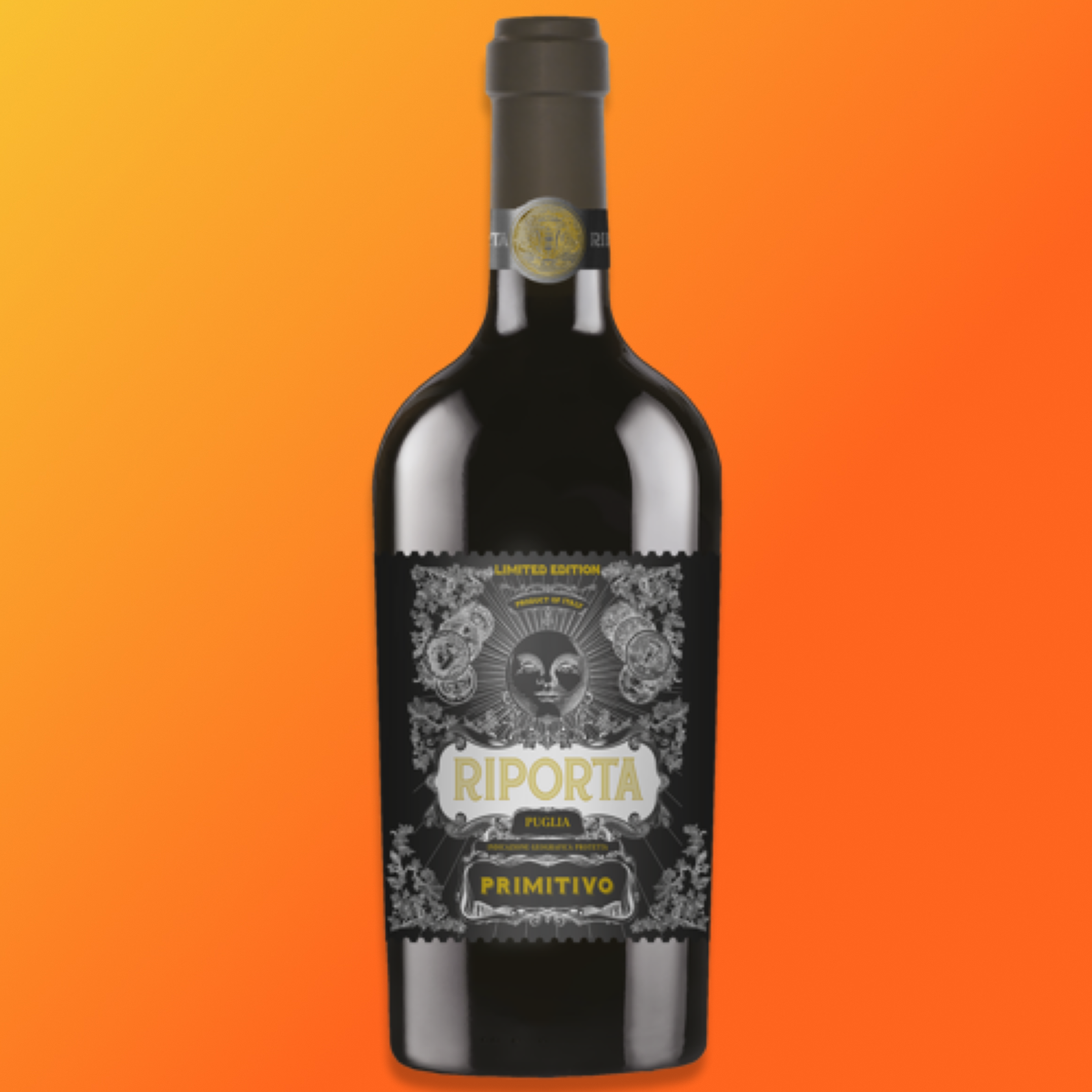
Riporta Primitivo
The hero of the south, from the heel of the boot. A full-bodied, fruity and smooth red wine.
Planeta La Segreta Nero d'Avola
Made from Sicily's most important red grape. Plum, cocoa, pomegranate and a hint of spice.
Chianti, Brunello, Vino Nobile and the Super Tuscans: learn all about Italy's most famous wine region.
Cherries, herbs and fresh acidity
Cherry & herbs
Many Italian reds smell of cherries, both fresh and dried, along with herbs, violets, or roses. White wines often smell of pear, apple, citrus, and almond.
Fresh and bold
Italian wine often has notably high acidity, even when it's full-bodied. Reds from the north and center have firm tannins. Wines from the south are rounder, riper, and softer.
Slightly bitter
A slight bitterness on the finish is very Italian, in both red and white wines. That's exactly what makes the wine taste so good with food featuring tomato, olive oil, and cheese.
Flavor profile of a typical Italian red wine, such as chianti or barbera. Amarone and barolo score higher in power, primitivo higher in fruit and lower in freshness.
How to serve Italian wine
Red just below room temperature, great wines with a little air, and white wine and prosecco well chilled.
Red at 15 to 18 degrees
Serve light reds such as bardolino, valpolicella, and lambrusco chilled, at around 14 to 16 degrees. Chianti, barbera, and primitivo at around 16 degrees. Barolo, brunello, and amarone can be served at 18 degrees.
More about wine temperature →Let barolo and amarone breathe
Italy's great red wines have plenty of tannin and power. A young barolo, brunello, or amarone benefits greatly from an hour in a decanter. You can pour a simple chianti or primitivo straight away.
Decanters →Chill white wine and prosecco
Serve pinot grigio, soave, gavi, and vermentino at 8 to 10 degrees. Serve prosecco a little colder, at 6 to 8 degrees. Drink rosato well chilled, just like white wine.
More about decanting →Italian wine at the table
In Italy, wine is part of the meal. Its fresh acidity pairs well with tomato, olive oil, and cheese, and every region has wines that go with its local cuisine.
Pasta and pizza
Pasta with tomato sauce, lasagna, pizza, and cured meats. The acidity in sangiovese and barbera balances the tomato. A board of pecorino or parmesan completes the meal.
Braised meat, game, and truffles
The great red wines pair well with braised meat, game, mushroom risotto, and dishes with truffles. Aged hard cheese is a classic pairing with amarone.
Barbecue and southern cuisine
Ripe, smooth reds from the south are delicious with grilled meat, sausages, baked eggplant, and dishes with peppers and herbs.
Fish and antipasti
Pinot grigio, gavi, soave, and vermentino pair well with fish, shellfish, antipasti, and pesto pasta. Prosecco is the aperitif of choice, on its own or in a spritz.
The right glass for Italian wine
For barolo, brunello and amarone, choose a tall, large bowl so the wine can breathe. Drink chianti, barbera and primitivo from a generous red wine glass, white wine from a smaller glass, and prosecco from a flute or tulip glass. These are the glasses we recommend ourselves.


Everything you still wanted to know about Italian wine
Didn't find your question here? Read more about wine and food, or get in touch.
Pairing wine and food →What are the best-known Italian wines?
What do DOCG, DOC and IGT mean?
Which grapes are used in Italy?
How much alcohol is in Italian wine?
Which glass should you use for Italian red wine?
What do you eat with Italian wine?
Buy Italian wine
Want the bottle delivered straight to your door? Order Italian wine online at Gall & Gall. Gall & Gall has 390, including 10 on sale.
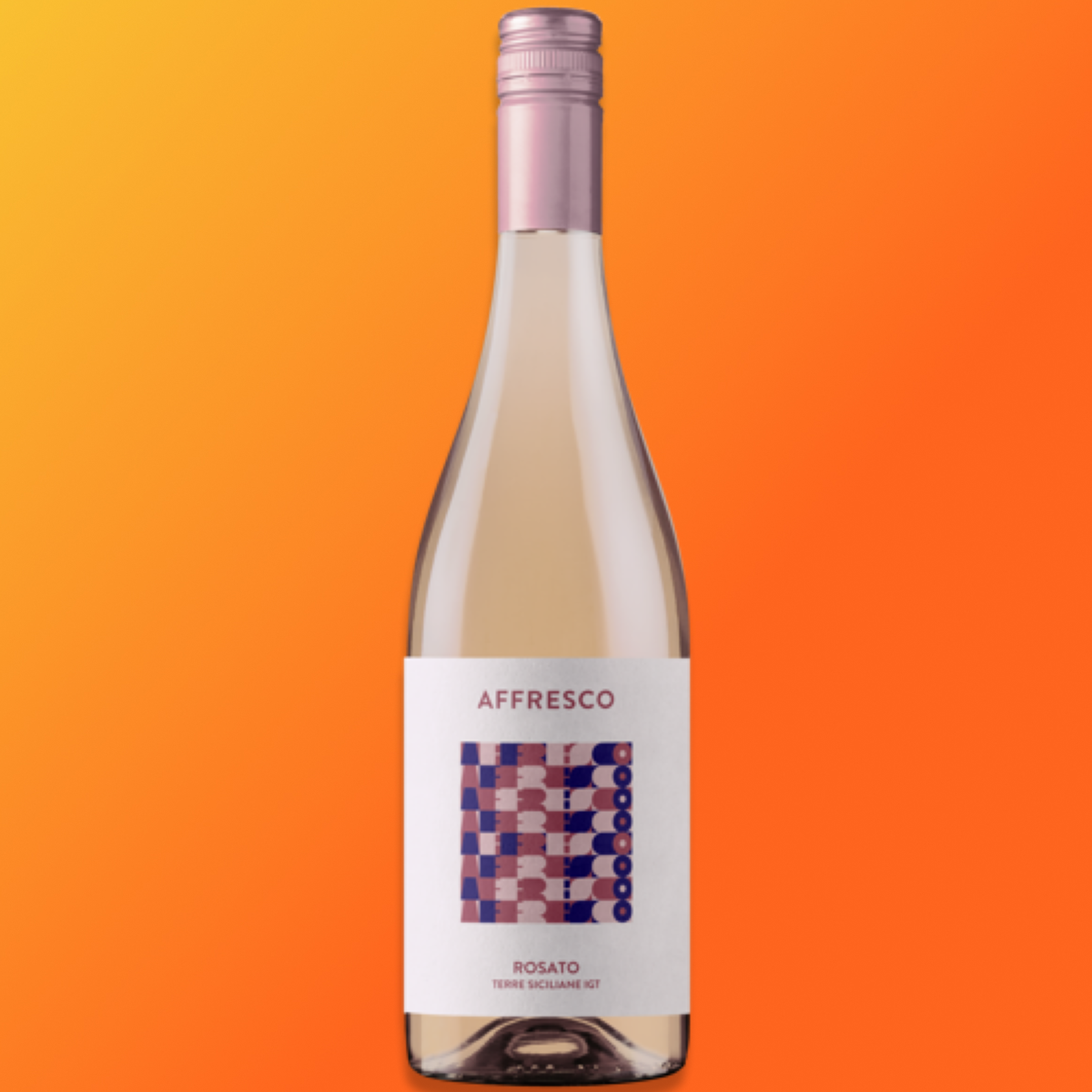
Prices as of November 24, 2026, as provided by Gall & Gall. You can see the current price and stock at Gall & Gall. Glazen.nl receives a small commission if you buy something via these links; you pay nothing extra. No 18, no alcohol.