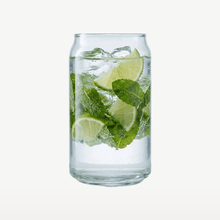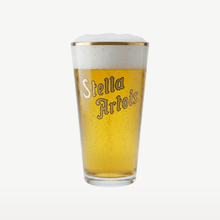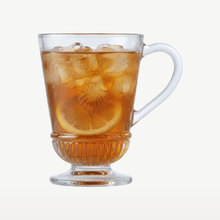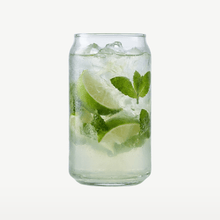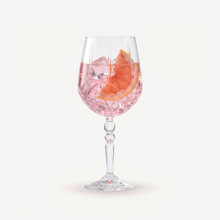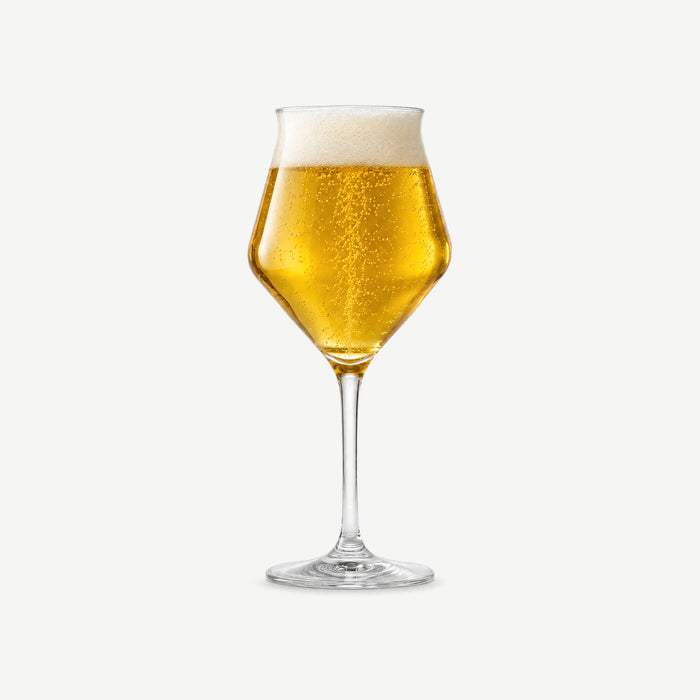
Lehmann Craft Beer Glass 44 Cl - 6 Pieces
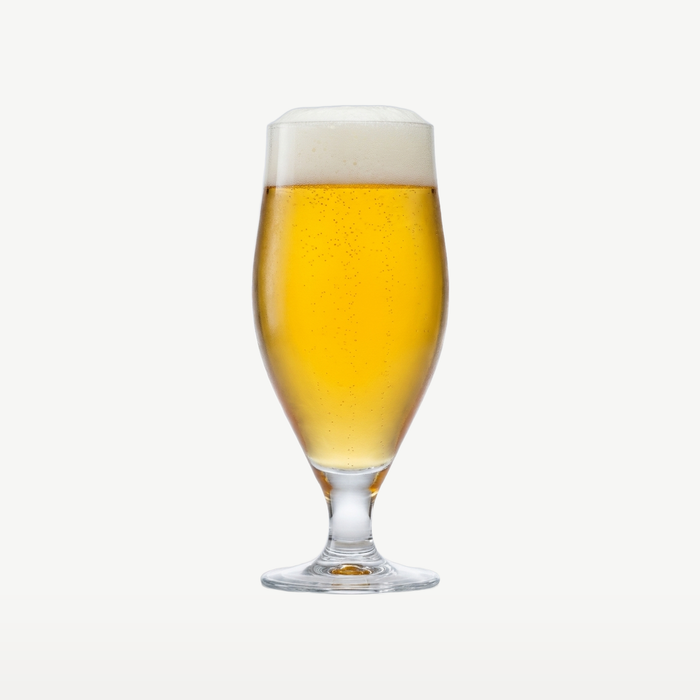
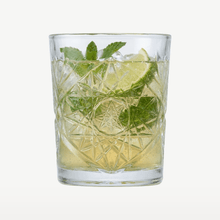
Arcoroc Cervoise Beer Glass 38 Cl - 6 Pieces
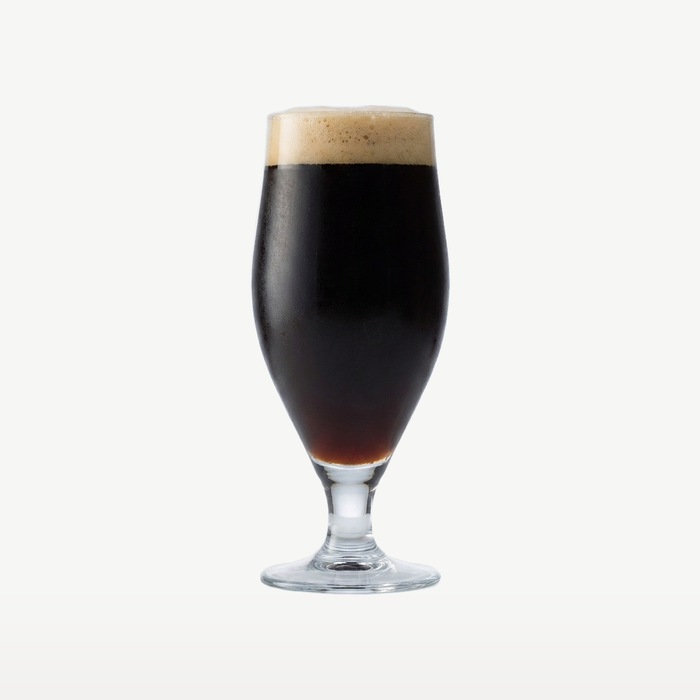
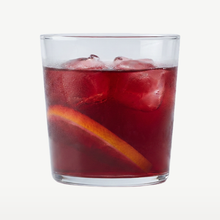
Arcoroc Cervoise Beer Glass 50 Cl - 6 Pieces

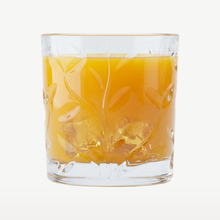
Spiegelau Lifestyle Beer Glass 44 cl - 2 Pieces

Pouring beer
step by step
Rinse the glass with cold water, inside and out, and don’t shake it dry. Grease is the head’s biggest enemy: one fingerprint or a little dish soap residue makes the foam collapse within seconds. A glass that’s still wet with cold water also lets the beer run more smoothly down the side.
Hold the glass at an angle of about forty-five degrees under the tap or against the bottle and pour in one continuous motion. At this angle, the beer runs down the side instead of falling straight in, releasing less carbonation so the head doesn’t rise in the glass right away.
Set the glass upright once it is about two-thirds full and continue pouring gently into the middle. The head will now build up. Aim for two fingers’ width, about two to three centimeters: enough to retain the carbonation, but not so much that there’s not enough beer.
Let the head settle for ten to twenty seconds, then top it up if needed. If you skim it, use a clean, wet spatula and make one pass across the rim. If you leave the head as it is, just wipe the outside of the glass dry before putting it away.
What did you think of this explanation?
One click on a star is enough. If you’d like to add anything, we’ll review it before it appears here.
Save this page
Send this page to your own email so you have the instructions handy when you’re ready to pour. You’ll also receive a €5 discount code on purchases of €50 or more, for the glasses to go with it.
The story
Pouring beer is a craft in the Netherlands, with its own vocabulary. A fluitje, a small beer glass, a two-finger head: these are measures no one explains and everyone knows. Underneath it all is physics. Beer is full of dissolved carbon dioxide that wants to escape as soon as it moves or gets warmer. The angle at which you pour determines how much of it is released at once, and the moment you bring the glass upright determines how thick the head will be. That head is not decoration but a lid: it keeps the carbon dioxide and aromas in the glass. The glass itself is the only tool that really matters.
The right glass
Each beer style has its own glass, and for pilsner there are two: the slim, straight pilsner glass and the slightly tapered small beer glass. A slim glass keeps the head tight and lets the bubbles continue for longer, while a small beer glass is shorter and wider, so the serving is finished sooner. A measuring line is not a luxury but a tool: you can see exactly where the beer should reach and how much room is left for the head. For tripel, Trappist and quadrupel, a tulip or rounded glass is the right shape, and you can find those in the specialty beer glasses.

Schott Zwiesel Beer Basic Pilsner Glass 30 cl with Measuring Line (4 pieces)

Mammoet Budgetline Amsterdam Beer Glass / Small Beer Glass 34 cl (12 pieces)
Both sets together € 66,90.
The right tools
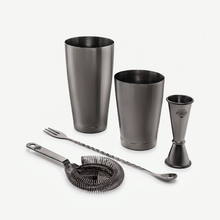
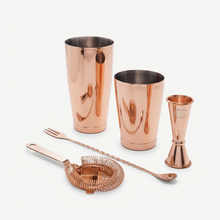
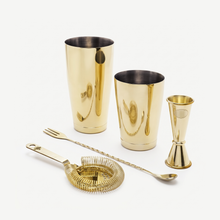
For a well-poured beer, you don't really need any tools besides the glass. We don't sell a tap system or a bar blade, and other than that, all you need is a cold, grease-free glass. What does go well with it are the little things that come to the table alongside your drink: a zester for a citrus slice with a witbier and cocktail picks for a bite to eat on the side. These are the bar tools we use ourselves; you'll find everything in our bar tools & cocktail sets.


Glass set (our pick 01) + 2 bar tools together € 80,85.
What to serve alongside?
Beer isn't featured on our drinks pages, which are about spirits. Beer takes center stage on this page; below are Dutch classics you'll find in the same pub, such as gin, Beerenburg and Vieux. Each drinks page tells you the alcohol percentage, what it tastes like, which cocktails it goes with and which glass you need.


Variations & twists
Not every beer style calls for the same treatment. Pour Weizen into a tall Weizen glass that you've first rinsed all over with cold water, and swirl the last bit of yeast around in the bottle before pouring it in. Tripel and Trappist beers belong in a tulip glass and call for a smaller head because they contain more alcohol and less carbonation. Pour stout slowly into a nonic glass and let it stand for half a minute before topping it up. Pour from a can the same way as from a bottle, but the stream is wider, so hold the can close to the rim. Want to read more? See all drinks and brands.
Serving tip
Temperature is part of pouring: pilsner at four to six degrees, wheat beer and weizen at five to seven, tripel and abbey beer at eight to twelve, stout and quadrupel at ten to fourteen. Beer that’s too cold has little aroma and a weak head; beer that’s too warm foams over. Rinse the glass with cold water, but don’t use one straight from the freezer: a layer of frost forms on it, making the beer foam up vigorously.
Good to know
Why grease kills the head
Foam consists of proteins from the malt that form a film around the bubbles of carbonation. Grease breaks down that film. A little detergent residue, a fingerprint on the inside, or a glass dried with a greasy cloth is enough to make the head collapse within seconds. So wash beer glasses separately, rinse them with cold water, and leave them upside down to drain instead of rubbing them dry.
An angle of about forty-five degrees
Hold the glass at an angle so the beer runs down the side. If it falls straight in, it hits the bottom hard and releases a lot of carbonation all at once; the glass fills with foam while there’s hardly any beer in it. When it’s about two-thirds full, hold the glass upright and keep pouring into the center to build the head in a controlled way.
Two fingers of head, and why
A head of two to three centimeters isn’t tradition, it’s technique. The foam seals the beer off from the air, keeps the carbonation in for longer and carries the aroma, since most aromas are released through the head. Too little foam and the beer quickly loses its fizz; too much and there’s too little room for beer in the glass.
Skimming with a wet spatula, or not
Skimming removes excess foam and creates a smooth, level head; it’s the classic way to serve beer on tap in the Netherlands. The spatula must be clean and wet, because a dry or greasy spatula will transfer grease into the glass and make the head collapse anyway. If you leave the head as it is, it retains more aroma and settles to the right height on its own. Both methods work well.
Draft system, bottle or can
Beer from a draft system comes out under pressure and at a set temperature, so it should be poured quickly and continuously. From a bottle, you control the speed yourself: start at an angle and pour gently, then speed up once the glass is upright. A can pours in a wider stream, so hold it close to the rim. We don’t sell draft systems or beer spatulas; glasses are our area of expertise.
The most common mistakes
Four things usually go wrong. The glass is too warm, so the beer foams up immediately. Old detergent residue or grease on the inside makes the head collapse straight away. Pouring too hard and too vertically releases too much carbonation all at once. And too little head means the beer quickly loses its fizz and aroma.
Frequently asked questions
How do you pour beer with a good head?
First rinse the glass with cold water so it’s grease-free and wet. Hold it at an angle of about forty-five degrees and pour until the glass is two-thirds full. Then hold it upright and pour slowly into the center until there’s a two-finger head. Let it settle for ten to twenty seconds and top it up if needed.
Why won’t my beer develop a head?
There’s usually grease in the glass. A little washing-up liquid, a fingerprint, or a greasy tea towel breaks down the protein film that forms the foam, and the head collapses within seconds. Wash beer glasses separately, rinse with cold water, and let them drain instead of rubbing them dry. A glass that’s too warm is the second most common cause.
Should you skim the foam?
You don’t have to. Skimming with a clean, wet spatula creates a neat, flat head and is the classic method behind a Dutch bar tap. If you leave the head as it is, more aroma is retained and it will settle to the right height on its own. A dry or dirty spatula transfers grease to the glass and makes the head collapse.
Which glass do you use for beer?
For pilsner, use a slim, straight pilsner glass or a slightly tapered glass of about thirty centiliters, preferably with a fill line so you can see how high to pour the beer. Weizen belongs in a tall weizen glass, tripel and Trappist beer in a tulip glass, and stout in a nonic glass. The shape affects how the head holds up and how much aroma you smell.
Also delicious
Everything for your bar,
at one address
Hospitality-quality glasses, sold in sets. Order today, delivered quickly.
Shop the glasses →