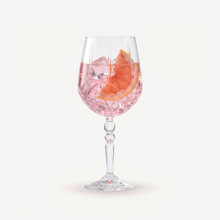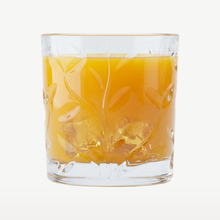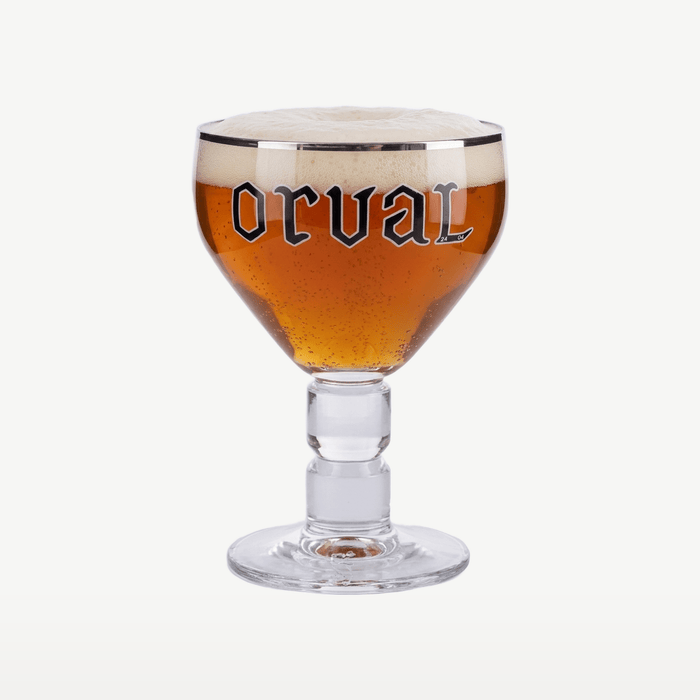
Orval Beer Glass 33 Cl - Gift Box
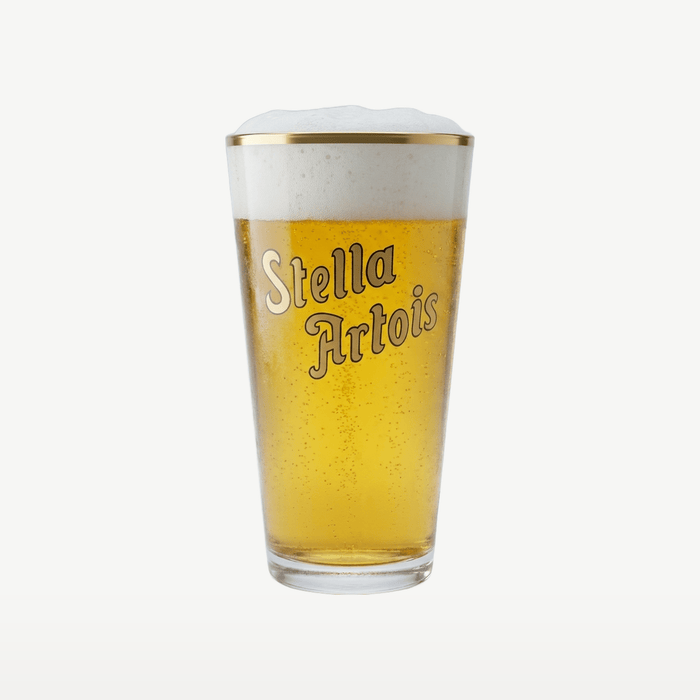
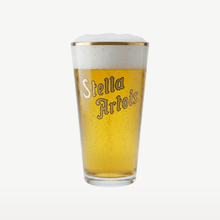
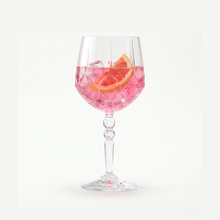
Stella Boerke Beer Glass 33 Cl - Gift Box - 4 Pieces
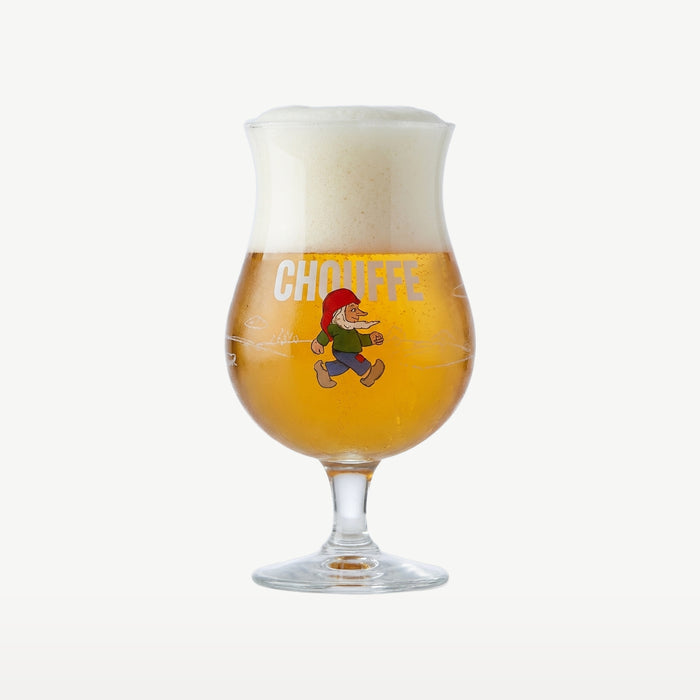
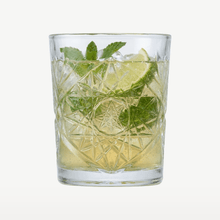
La Chouffe Beer Glass 33 Cl - Gift Box
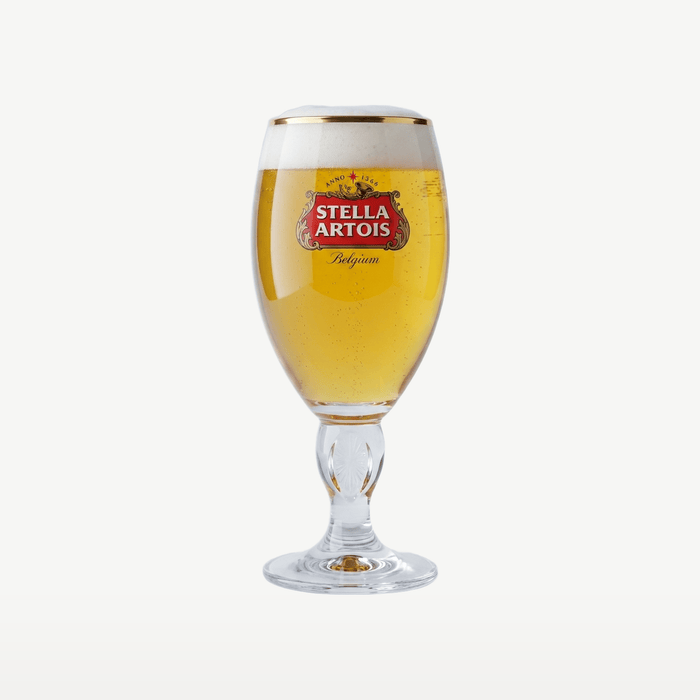
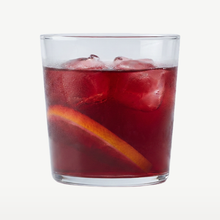
Stella Beer Glass 25 Cl - Gift Box

How to pour it
a Trappist beer in
Rinse the glass with cold water and leave it wet. The head sticks better to a wet, cool glass, while grease or soap residue makes the foam collapse immediately. So don't dry the glass with a tea towel.
Hold the glass at an angle, about forty-five degrees, and pour gently down the inside. Pour continuously without stopping; every interruption creates coarser foam. Don't let the bottle touch the rim of the glass.
Set the glass upright when it's about two-thirds full and pour the rest into the center of the beer. That's where the head forms. Two centimeters of foam above the beer is a good measure in a goblet.
Many Trappist beers mature in the bottle and leave a layer of yeast behind. For a clear beer, leave the last centimeter in the bottle; if you want the yeast too, swirl the bottle at the end. Serve at 8 to 12 degrees.
What did you think of this explanation?
One click on a star is all it takes. If you’d like to add a comment, we’ll review it before it appears here.
Save this page
Send this page to your own email so you have the information handy when you’re ready to pour. You’ll also get a € 5 discount code on purchases over € 50 for the matching glasses.
The story
The word Trappist says nothing about the taste and everything about the origin. The Authentic Trappist Product label has three requirements: the beer must be brewed within the walls of a Trappist abbey, under the supervision of the monks, and the proceeds must go to the community and to charitable causes. A brewery that meets all three requirements may use the logo; a brewery that leaves the order or stops brewing loses it. As a result, the number of recognized breweries changes over the years. Most are in Belgium, but some are elsewhere too, including the Netherlands.
The right glass
Trappist beer is served in a goblet or a stemmed tulip glass: a wide bowl that holds the aroma, a slightly narrower rim that keeps it in, and a stem so your hand doesn’t warm the beer. Thirty-two centiliters is the tasting size that fits a 33 cl bottle with room for the head; for a quadrupel or dubbel, you can go larger. Abbey styles with a thick stem are in our Belgian beer glasses.

Arcoroc Cervoise Beer Glass 32 cl (6 pieces)

Chef & Sommelier Sequence Beer Glass 47 cl (6 pieces)
Both sets together € 72,90.
The right tools
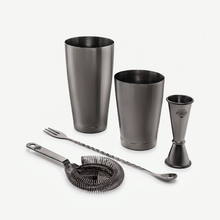
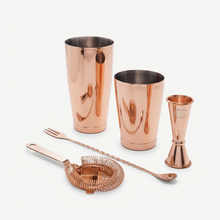
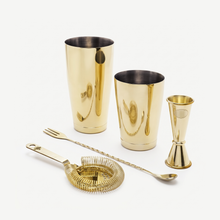
For a Trappist beer, you really don’t need anything besides the glass; this is what we set out when the beer ends up in a mixed drink: a bar spoon for stirring gently without knocking out the carbonation, and a jigger for measuring a splash of spirits precisely. These are the bar tools we use ourselves; you’ll find everything in our bar tools & cocktail sets.


Glass set (our pick 01) + 2 bar tools together € 55,85.
Which spirit goes with this?
The beer itself takes center stage here; this is what we serve alongside it. A glass of whisky or cognac complements the malty, dried-fruit notes of a dubbel or quadrupel. On each drink page, you can read about the alcohol content, flavor, matching cocktails, and the glass you’ll need.


Variations & twists
The certification covers a range of styles. Patersbier, or enkel, is the lightest and was originally enjoyed between meals; blond is straw-yellow and dry; dubbel is dark brown and malty, with notes of caramel and dried fruit; tripel is golden-blond, strong and spicy from the yeast; quadrupel is the strongest and darkest. The alcohol content therefore roughly ranges from 5 to 6 percent for a patersbier to 10 to 12 percent for a quadrupel. Want to read more? Explore all drinks and brands.
Serving tip
Serve Trappist beer at 8 to 12 degrees, not ice-cold: below eight degrees, you’ll smell little of its spicy and fruity character. Take the bottle out of the fridge well in advance. Let the glass sit for a moment after pouring, so the head settles before your first sip.
Good to know
The three requirements for certification
The Authentic Trappist Product logo may only be used on beer brewed within the walls of a Trappist abbey, under the supervision of the monks, with the proceeds going to the community and charitable causes. All three conditions must be met. The certification is managed by the International Trappist Association and can also be withdrawn.
Why the number of breweries varies
Because the designation is subject to conditions and not tied to a name, the list of recognized breweries changes over the years: breweries are added, and others are removed if an abbey stops brewing or no longer meets the requirements. There’s little point in giving a number; look for the logo on the bottle.
Trappist versus abbey beer
Abbey beer bears an abbey name but is made by a regular brewery, sometimes under license from an existing or defunct abbey. It tells you about the name and style, not where the beer is brewed. Trappist, by contrast, tells you only about that location and where the money goes. The styles overlap considerably: you’ll find dubbel, tripel, and blond in both.
The styles you’ll find under the designation
Patersbier or enkel, blond, dubbel, tripel, and quadrupel. Dubbel is dark and malty, tripel is golden blond and spicy, and quadrupel is the strongest. Not every abbey brews all five, and the names are also used outside the Trappist world because they are not protected.
The sediment at the bottom
Many Trappist beers undergo secondary fermentation in the bottle. This leaves a thin layer of yeast at the bottom. That is normal and not a fault. Pour slowly and leave the last centimeter in the bottle to keep the beer clear; swirl the bottle at the end to pour in the yeast, making the beer cloudier and fuller-bodied.
Frequently asked questions
Is Trappist a beer style?
No. Trappist is an origin designation, not a style. The Authentic Trappist Product logo may only appear on beer brewed within the walls of a Trappist abbey, under the supervision of the monks, with the proceeds going to the community and to charitable causes. That single logo covers blond, dubbel, tripel, and quadrupel beers.
What is the difference between Trappist beer and abbey beer?
Trappist tells you where the beer is brewed and where the proceeds go. Abbey beer indicates that it bears an abbey name and often tells you what style it is, but it is made by a regular brewery, sometimes under license from an existing or defunct abbey. The styles overlap; the origins do not.
How much alcohol does Trappist beer contain?
It varies by style. A patersbier or enkel is roughly 5 to 6 percent, a dubbel 6 to 8 percent, a tripel 8 to 9 percent, and a quadrupel 10 to 12 percent. The exact percentage is on the label.
What glass should you pour Trappist beer into?
Serve in a chalice or a stemmed tulip glass. The broad bowl captures the aroma, the slightly narrower rim keeps the head together, and the stem keeps your hand from warming the beer. A glass of around 32 to 40 centiliters leaves room for the head when pouring a 33 cl bottle. Serve at 8 to 12 degrees.
Also delicious
Buy Trappist beer
Want the bottle delivered straight to your door? Order Trappist beer online at Gall & Gall. Gall & Gall has 30, including 3 on sale.
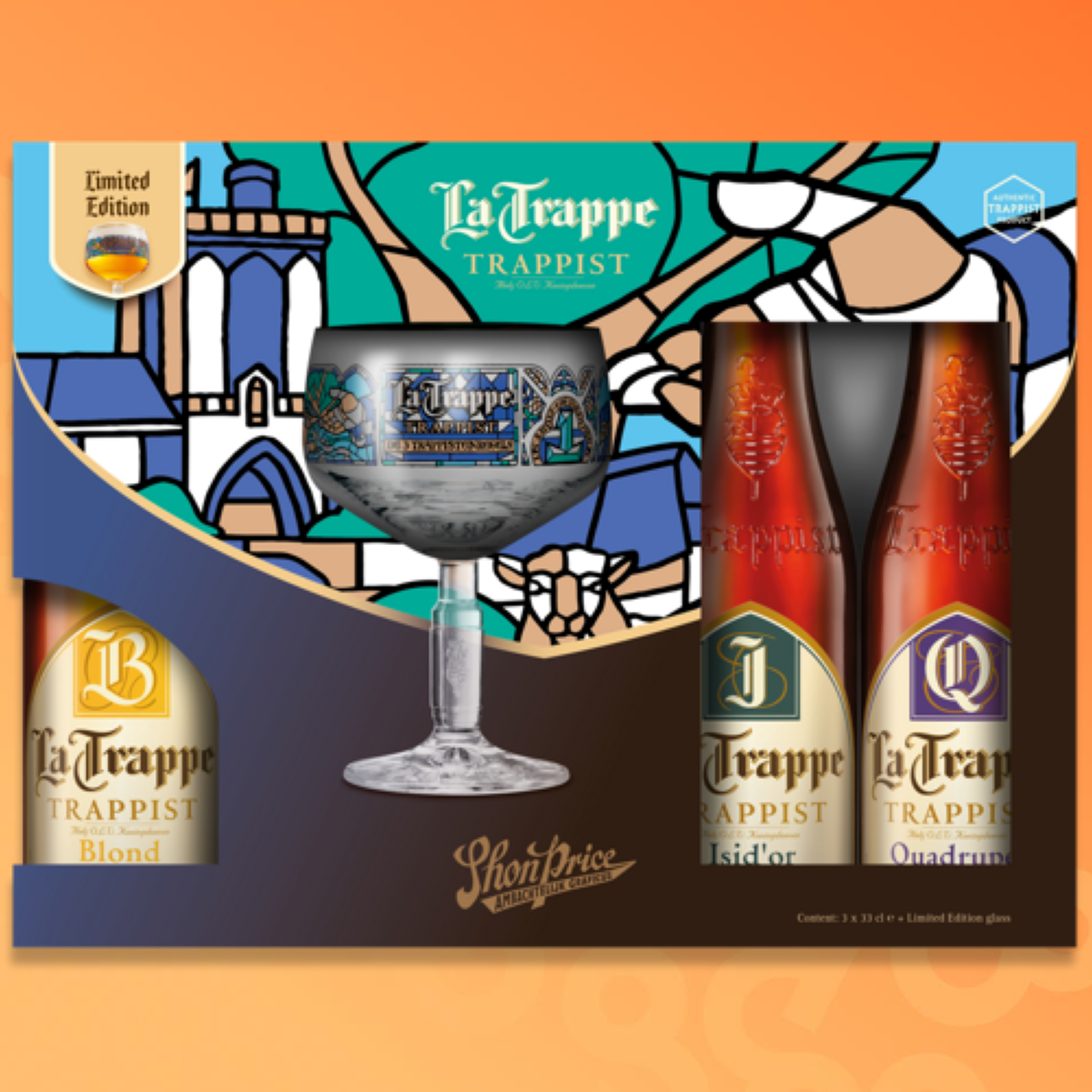
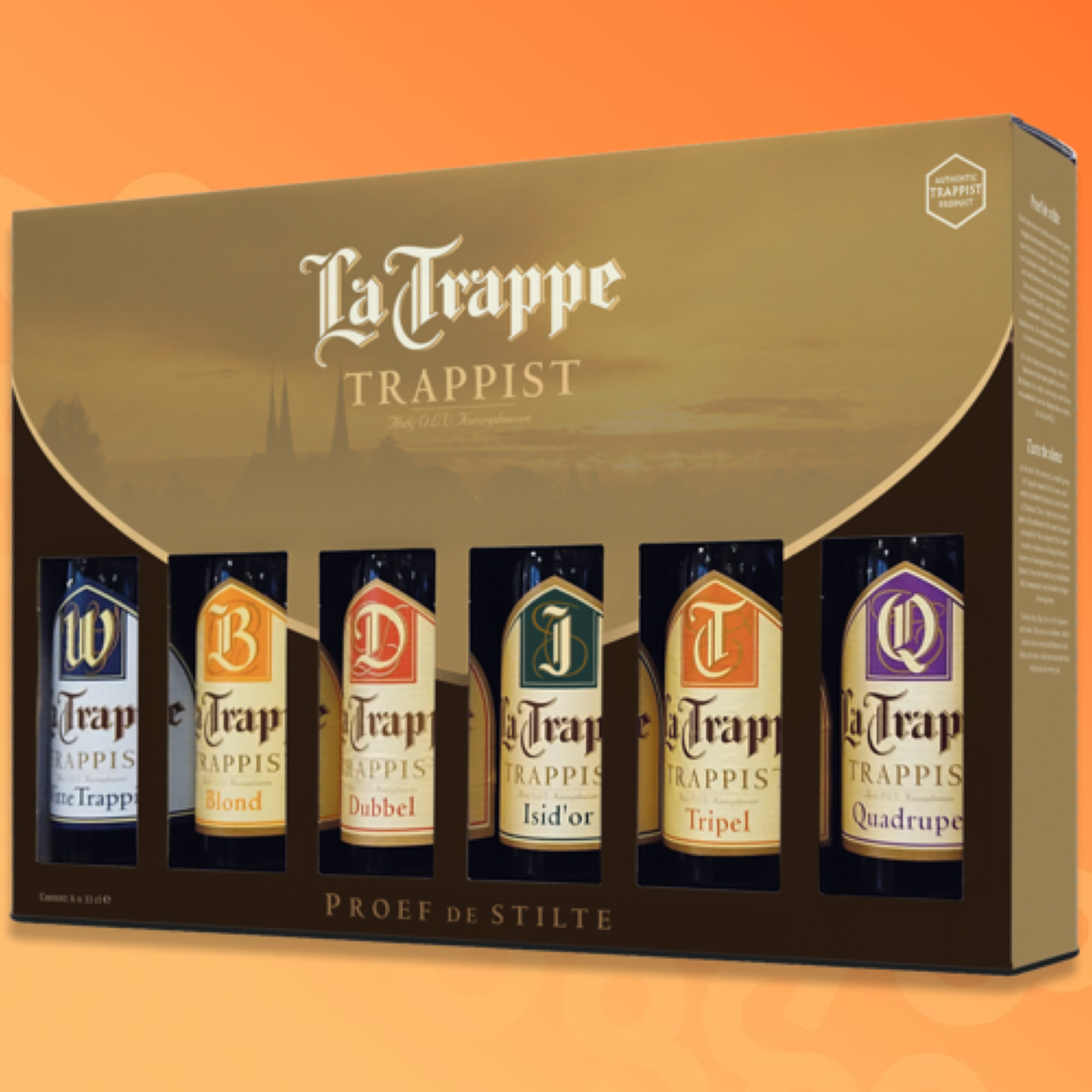
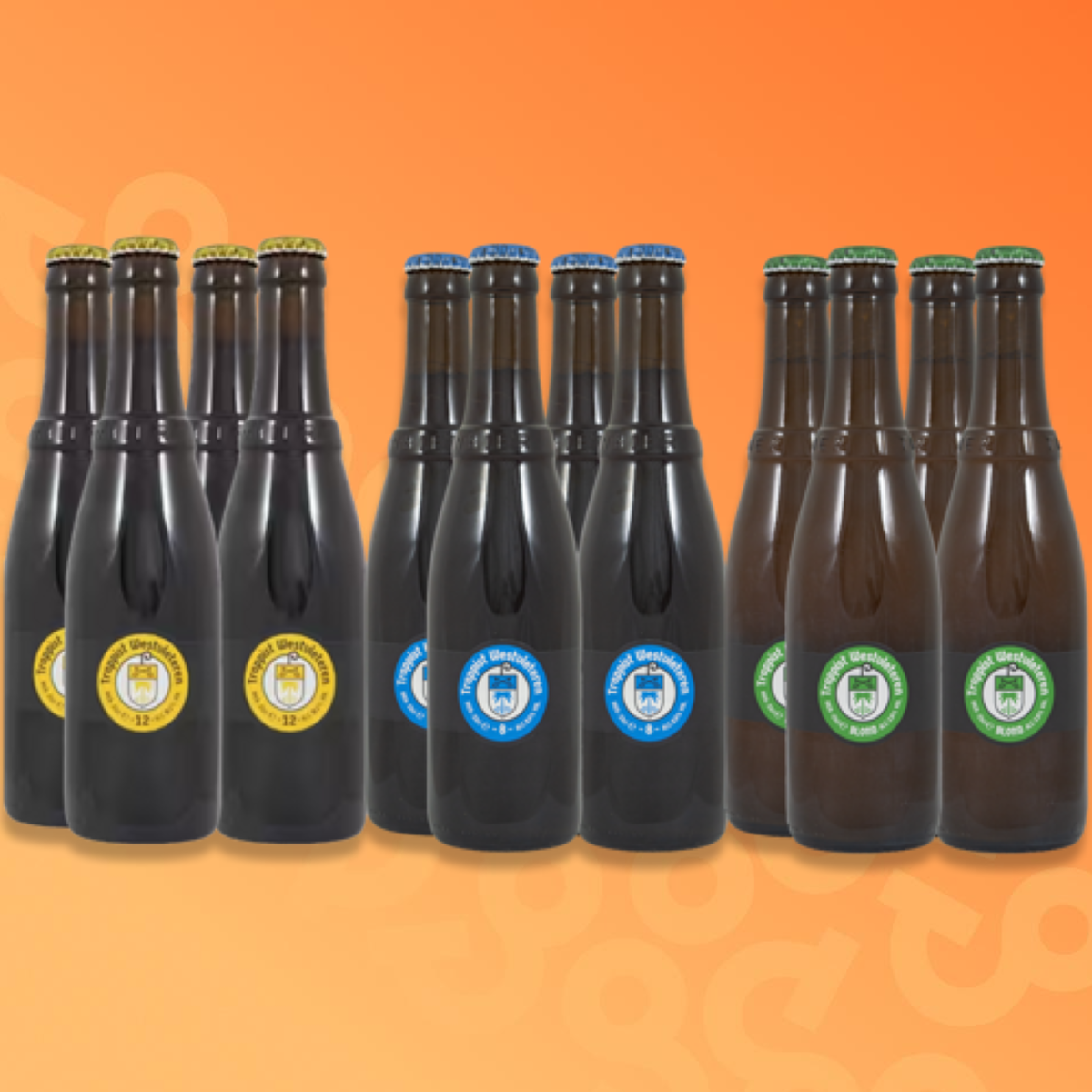
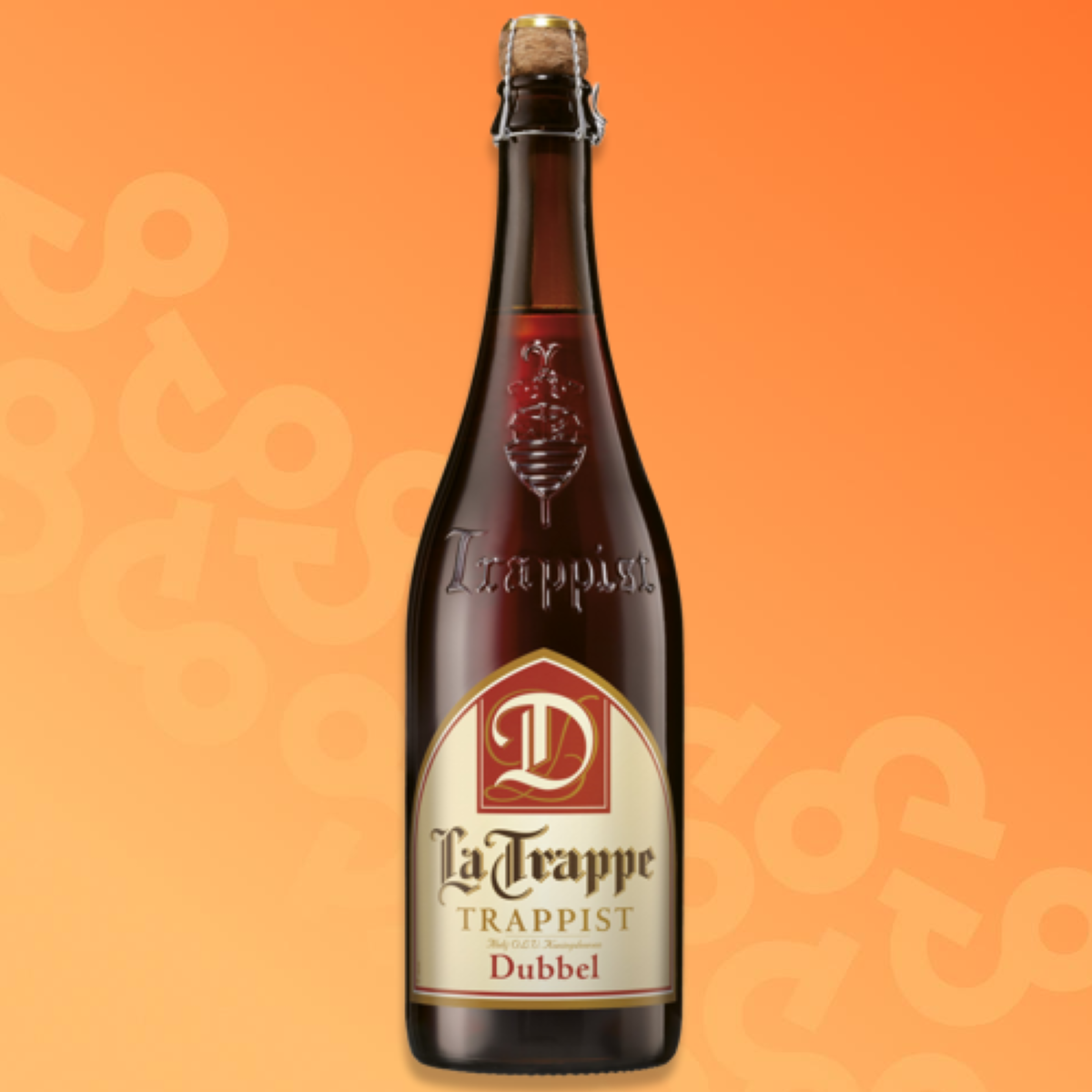
Prices as of November 17, 2026, as provided by Gall & Gall. You can see the current price and stock at Gall & Gall. Glazen.nl receives a small commission if you buy something through these links; you pay nothing extra. No 18, no alcohol.
Everything for your bar,
to one address
Glasses in hospitality-grade quality, delivered in sets. Order today, delivered quickly.
Shop glasses →