Penfolds
Penfolds is Australia's best-known winery and the maker of Grange, the country's most famous red wine. The winery grew to prominence with shiraz and cabernet sauvignon, and sells its wines under Bin numbers. Here you'll learn what those numbers mean, how the bottles differ, and what to eat with them.


From medicinal tonic to Australia's most famous wine
Penfolds began in 1844 in Magill, on the outskirts of Adelaide in South Australia. English doctor Christopher Rawson Penfold and his wife Mary planted their first vines there. At first, they mainly made fortified wine in the style of port and sherry. Those fortified wines never completely disappeared: the Father and Grandfather tawny wines come from the same tradition.
The house's most famous figure is Max Schubert, head winemaker from 1948 to 1975. After a trip to Europe, he began making a red shiraz wine in the early 1950s that could age for a long time, inspired by the great wines of Bordeaux. The result was Grange. Penfolds often blends grapes from different regions into a single wine. That's why many labels say South Eastern Australia, a broad origin designation. The wines have a Bin number, which refers to the cellar bin where the wine was once stored.
In brief
Seven bottles, from Koonunga Hill to Grange
Penfolds has a clear hierarchy. Koonunga Hill and the Max's wines are at the bottom, the Bin wines above them, and Grange at the top. Shiraz features in almost every red bottle.

Koonunga Hill Shiraz
The entry-level wine from the producer. Koonunga Hill is a sub-brand named after a vineyard in Barossa Valley. Smooth Shiraz with ripe dark fruit.
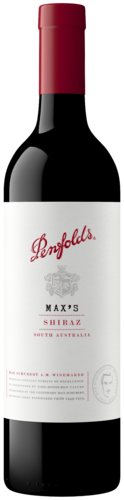
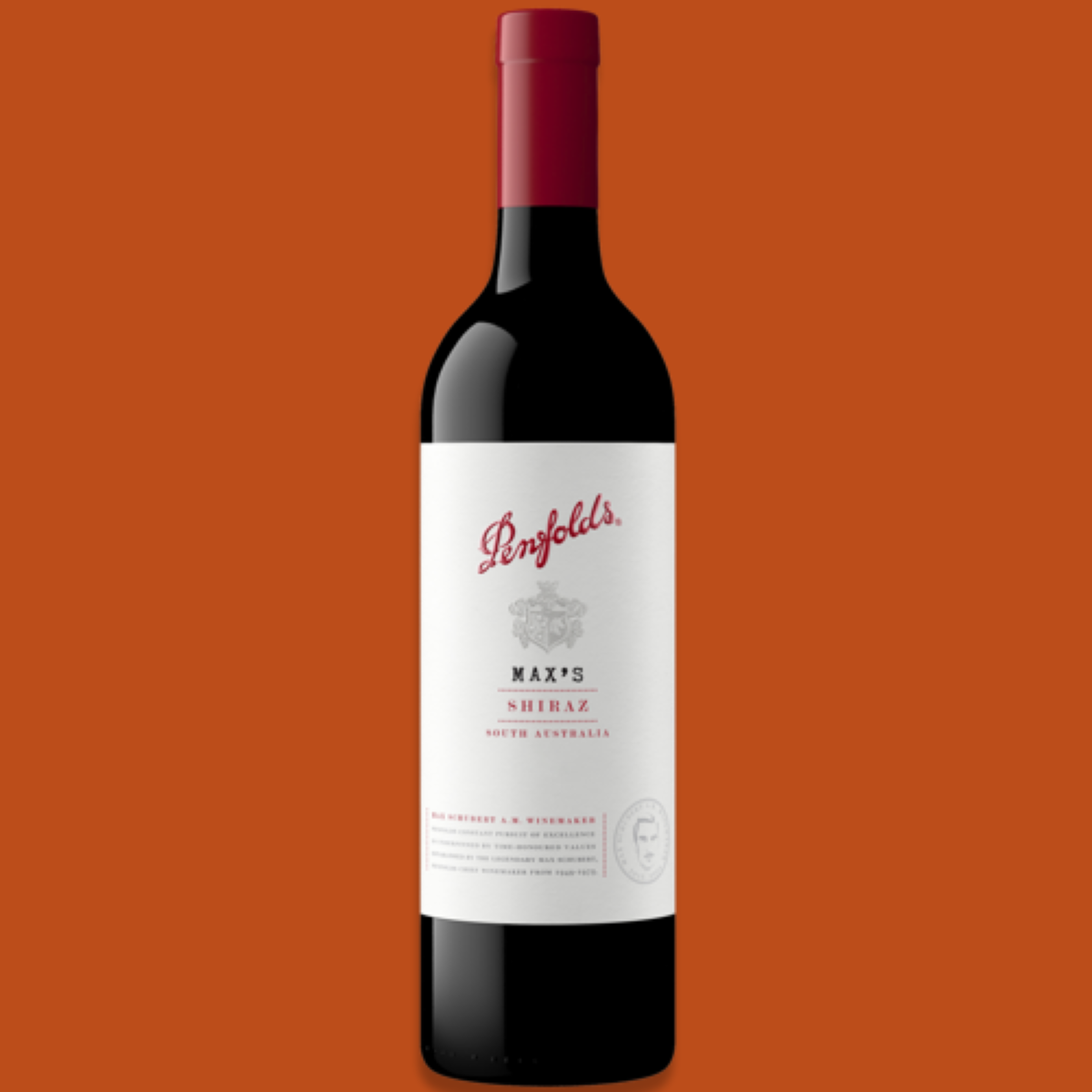
Max's Shiraz
One hundred percent Shiraz and a tribute to Max Schubert, the creator of Grange. Full and rounded, with ripe dark fruit.

Bin 28
Shiraz originally from the Kalimna vineyard in Barossa Valley, which Penfolds bought in 1945. Ripe, robust and spicy.
Bin 389
Nicknamed Baby Grange. Cabernet Sauvignon for structure, Shiraz for full fruit. A wine that can age for years.

Grange
The wine that Max Schubert started. Primarily Shiraz with a small proportion of Cabernet Sauvignon, aged in new American oak. Powerful, concentrated and made to age for a long time.
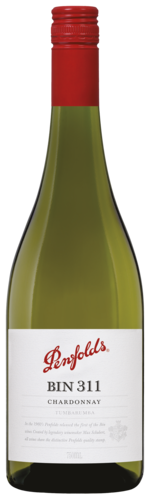
Bin 311 Chardonnay
Chardonnay from cooler regions, with modest oak aging. Creamy, with citrus, hazelnut and a note of fresh bread.

Father Grand Tawny 10 Years
Australia's answer to tawny port, made from Shiraz, Grenache, Mataro and Cabernet Sauvignon. Sweet, with raisins, vanilla and figs.
Shiraz and Syrah are the same grape. On our Shiraz page, find out why it tastes so different in Australia than in France.
Ripe dark fruit, spices and oak
Blackberries & spices
Blackberries, plums and blackcurrants, with pepper and sweet spices. The Bin wines and Grange also have notes of vanilla, mocha and cedar from the oak barrels.
Full and rounded
Penfolds reds are ripe and full-bodied, with firm tannins and a warm, rounded mouthfeel. Cabernet Sauvignon makes the wine more structured, while Shiraz makes it fuller and softer.
Long and spicy
The finish is long, with dark fruit and spices. Young top wines are still a little austere; after a few years in the cellar, they become softer and more complex.
Flavor profile of a Bin wine like Bin 28 or Bin 389. Koonunga Hill is lighter and smoother; tawny wines score high on sweetness.
How to serve Penfolds
Red just below room temperature, white chilled, and tawny slightly chilled. A young Bin wine or Grange needs to breathe first.
Red at 16 to 18 degrees
Serve Koonunga Hill and Max's wines at around 16 degrees. Bin wines and Grange can be served at 18 degrees. These wines have a high alcohol content; serve them too warm and that's mostly what you'll taste. In a warm room, feel free to put the bottle in the fridge for fifteen minutes.
More about wine temperature →Letting great wines breathe
A young Bin 389, Bin 707, or Grange is powerful and often still closed. Pour it into a decanter and give it an hour or more. Older bottles may have sediment: stand them upright a day in advance and pour carefully.
Decanters →Chardonnay and tawny
Serve the Chardonnay at 10 to 12 degrees so its creamy flavor comes through. Drink tawny wines at around 12 degrees in a small glass. An opened bottle of tawny will keep in the fridge for a few weeks.
More about port →Penfolds at the table
Full-bodied Australian red wine calls for flavorful food: grilled meat, stews, and spices. For the white and the tawny, look elsewhere.
Barbecue and comfort food
Burgers, ribs, lasagna, or chili con carne. The supple Shiraz has enough fruit for the sweet and smoky flavors of the barbecue.
Lamb, steak and game
Rack of lamb, beef tenderloin, game stew, or a generous côte de boeuf. Aged hard cheese also goes well with these powerful wines.
Chicken, fish and creamy dishes
Grilled chicken, smoked salmon, fish and chips, or pasta with a cream sauce. Oak aging gives the wine enough body for rich dishes.
Cheese and nuts
A cheese board with aged and blue cheese, pecan pie, or a dessert with dried figs and nuts.
The right glass for Penfolds
Pour Penfolds red into a spacious glass to let the dark fruit and spices develop. For the Bin wines and Grange, choose a tall, large bowl. Chardonnay suits an all-round wine glass, and tawny a small glass. These are the glasses we recommend ourselves.


Everything else you wanted to know about Penfolds
Didn't find your question? Read more about wine and food, or get in touch.
Go to food and wine pairing →What is Penfolds?
What do Penfolds' Bin numbers mean?
What is Penfolds Grange?
How much alcohol is in Penfolds wine?
Is Penfolds tawny port?
What food goes with Penfolds Shiraz?
Buy Penfolds
Want the bottle delivered straight to your door? Order Penfolds online at Gall & Gall. Gall & Gall has 25.
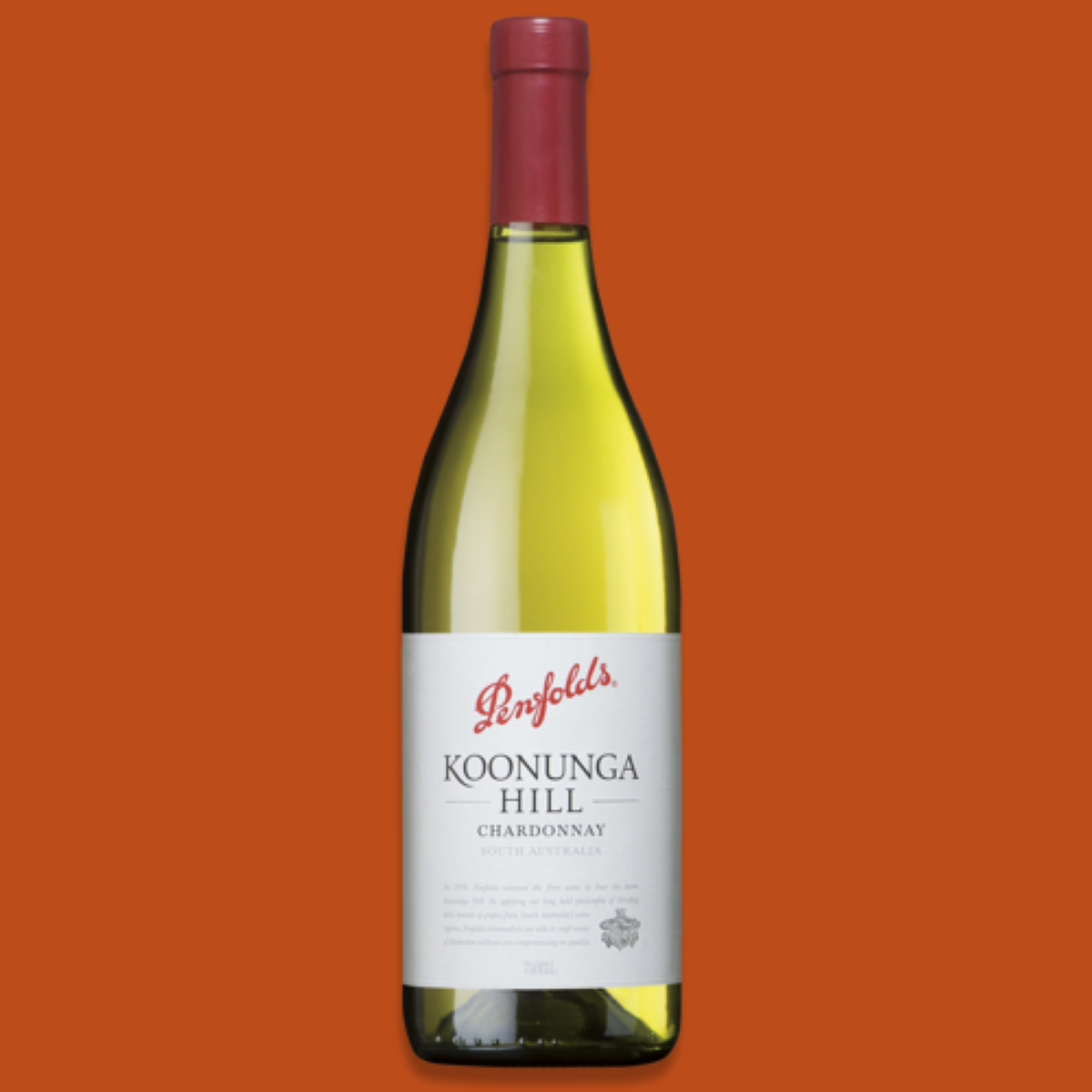
Penfolds Koonunga Hill Chardonnay
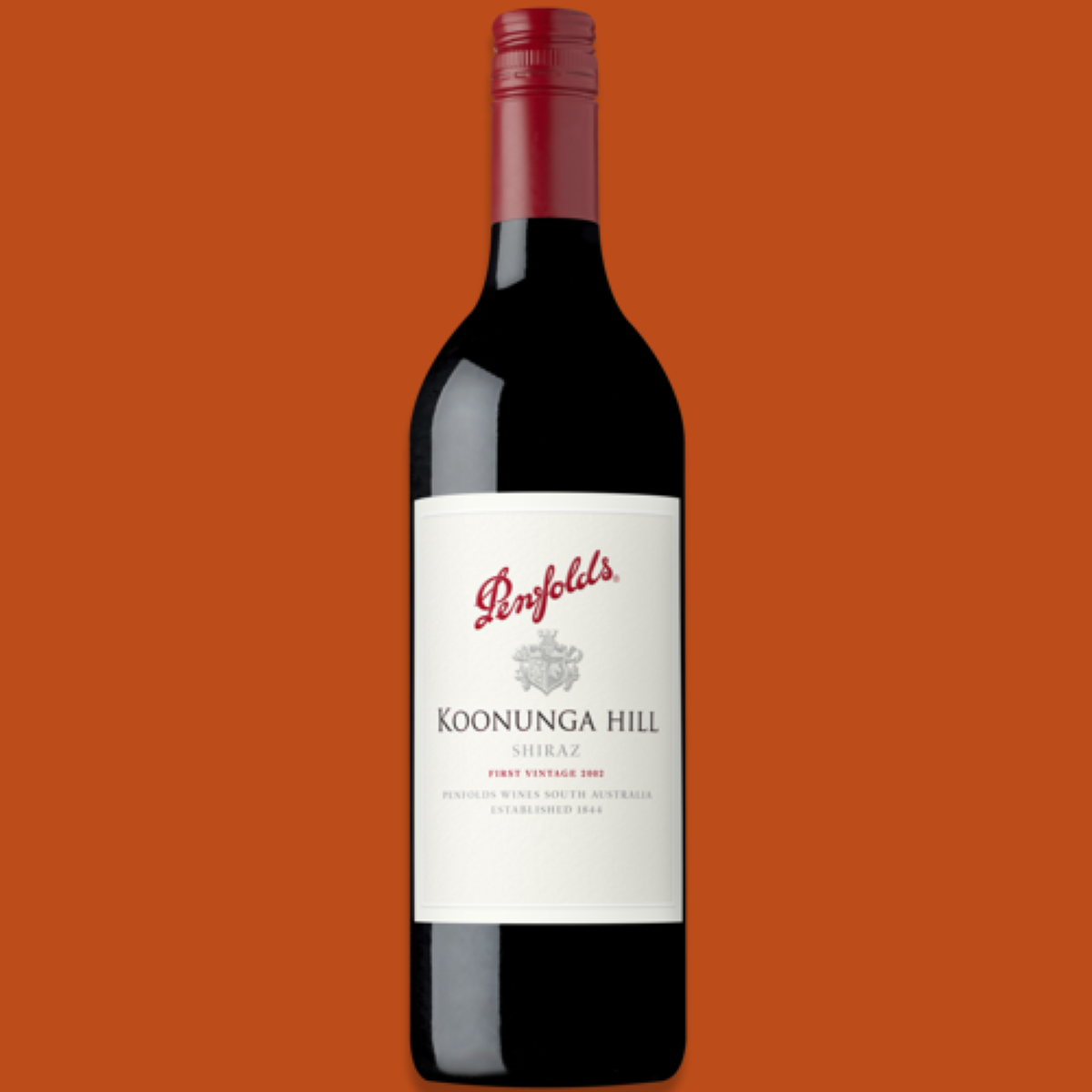
Penfolds Koonunga Hill Shiraz
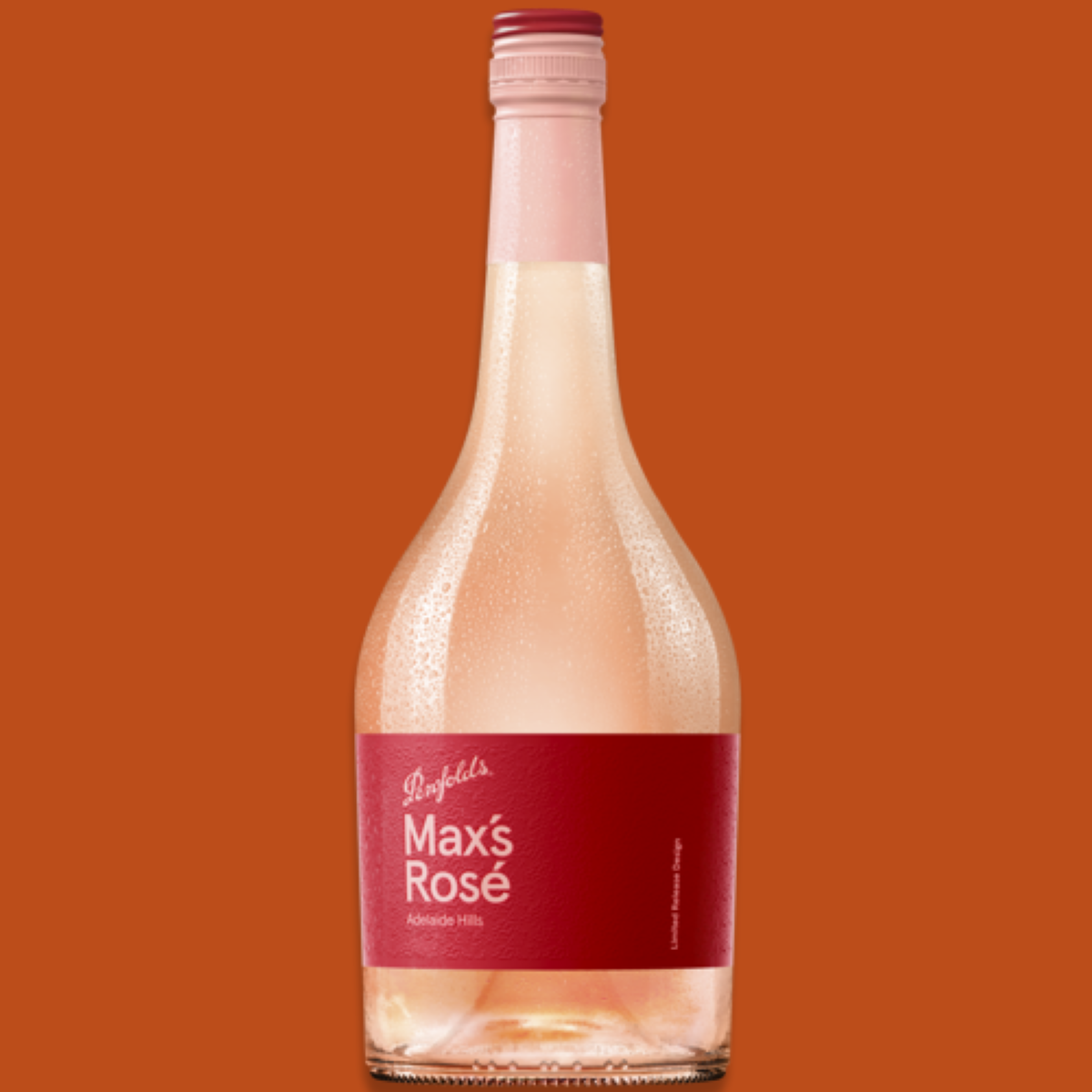
Prices as of November 23, 2026, as provided by Gall & Gall. You can see the current price and stock at Gall & Gall. Glazen.nl receives a small commission if you buy something through these links; it doesn't cost you anything extra. No 18, no alcohol.