Valpolicella
Valpolicella wine is red wine from Veneto, but behind that one name lies a whole range. At the bottom is the light Classico, above it the fuller Ripasso, and at the very top, Amarone. The difference comes after the harvest, from what the winemaker does with the grapes and the wine.


Wine by type
Valpolicella is one corner of the red wine section. Here's more about its neighbors.
Red wine
Grapes from Merlot to Malbec, what aging does to wine, and what temperature to serve it at.
About red wine →

Merlot
One of the world's best-known blue grapes, with an Italian version also produced in Friuli.
About Merlot →
Lambrusco
The lightly sparkling red wine from the neighboring region, for anyone looking for a red wine with bubbles.
About Lambrusco →One region, two ways to get more out of it
The Valpolicella region is in Veneto, north of Verona. That’s northeastern Italy, somewhere between the Alps and the Adriatic Sea. The wine is made from dark-skinned grapes rarely found elsewhere. Corvina is the base, joined by Rondinella and Molinara, and also Corvinone for Ripasso and Amarone. Corvina grows almost exclusively in this corner of Italy and gives fresh acidity, red fruit and a little spice. If you see Classico on the label, the grapes come from the historic heartland. It’s an easy-drinking bottle: light, smooth and juicy, and a good match for tomato sauce or a platter of antipasti.
So it isn’t just one wine. It’s a ladder, and you climb it using two techniques. Ripasso is the first and literally means “pass through again.” The young Valpolicella is passed over the skins and yeast lees from Amarone, and begins fermenting a second time. It gains a little more alcohol and tannin, as well as more color, aroma and flavor. The second technique is called appassimento. The grapes are first left to dry until they have lost around forty percent of their moisture. What remains is more concentrated. If all the sugar then ferments into alcohol, you get Amarone. If fermentation stops halfway and sugar remains, it’s called Recioto.
In brief
Six bottles, from light to full-bodied
We’ve arranged them in order, from bottom to top. Two regular Valpolicellas, two Ripassos, an Amarone, and finally the sweet Recioto.

Terre di Verona Valpolicella
The first rung of the ladder. Juicy and fresh, with a lightly spicy finish. This is the red wine you open when there’s a pan of tomato sauce on the stove.

Zonin Valpolicella Classico
For Valpolicella Classico, the grapes come from the original heartland. Made from Corvina, Rondinella and Molinara, the region’s traditional grapes. Light and smooth, easy to drink.

Cantina di Verona Ripasso
Here, it moves up a notch. The wine has undergone a second fermentation on Amarone lees, and you can taste it right away. Intense, with black cherries.
Zonin Ripasso Superiore
First, they make a fruity, aromatic wine from Corvina, Rondinella and Molinara. Four months later, it undergoes a second fermentation on the Amarone must. The result is powerful and complex, with plenty of cherry.

Masi Costasera Amarone
The grapes are dried first, which makes this wine concentrated. All the sugar has converted into alcohol. The result is a dry, bold and full-bodied Amarone with dark fruit.

Recioto Valpolicella
Made from the same dried grapes as Amarone. The difference is that not all the sugar has fermented. Sweet, velvety smooth and with a long finish.
Amarone is aged for at least two years before it’s bottled. Amarone Riserva is aged for at least four.
Ripe cherry, plum and a hint of chocolate
Red fruit and spices
Ripasso smells of ripe cherries, plums and blackcurrants. Underneath, there’s chocolate, some spice and a hint of leather. A regular Valpolicella stays closer to fresh red fruit and the light spice of Corvina.
Full-bodied, dry and structured
Ripasso is usually dry. The second fermentation adds more tannins, giving it more structure than the base wine and making it more complex. Amarone takes it a big step further, concentrated and full of dark fruit.
Long and spicy
The higher up the ladder you go, the longer the flavor lingers. With regular bottles, it’s light and spicy; with Amarone, it’s bold. Recioto is the only one that finishes sweet and velvety smooth. That’s because some sugar has been left in the wine.
This is the flavor profile of a Ripasso, halfway up the ladder. A regular Valpolicella is lower in body and higher in freshness. Amarone scores one step higher for body. Recioto is the only one that scores high in sweetness.
How to serve Valpolicella
Serve ripasso and amarone the same way: not too warm, and give a young bottle some air first.
At 16 to 18 degrees
Serve both at 16 to 18 degrees. That’s cooler than most living rooms, so it’s perfectly fine to put the bottle in the fridge for half an hour before serving. If you serve it too warm, all you’ll taste is the alcohol.
The right glass →Decanting young bottles
A young ripasso benefits from about thirty minutes in a decanter. We also recommend decanting a younger amarone. The wine gets some air, allowing its aromas to open up before the first glass is poured.
Decanters →With ragù, stews, and aged cheese
Pair ripasso with hearty pasta dishes, such as lasagna or tagliatelle with mushrooms or ragù. Grilled and braised red meat works well too, such as ossobuco or lamb shanks. Also try roasted vegetables with herbs and aged cheeses like pecorino and aged Parmesan. Amarone calls for something more substantial, such as game or a stew.
The six bottles →Cocktails similar to valpolicella
You won’t find a cocktail made with valpolicella, ripasso, or amarone. These wines are simply enjoyed on their own. These four are the closest alternatives: two made with still red wine and two Italian classics with bubbles.

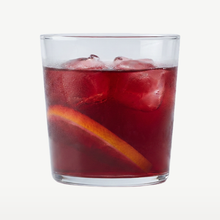
Sangria
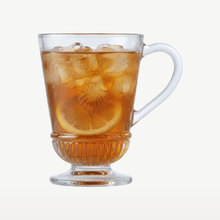
Red wine with chunks of fruit and plenty of ice, made to serve straight from a pitcher.
Tinto de Verano
Red wine topped up with sparkling lemon soda, served over plenty of ice.
Aperol Spritz
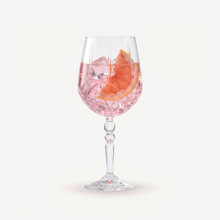
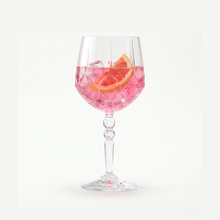
Aperol, prosecco, and sparkling water in a roomy glass with ice and a slice of orange.
Hugo Spritz
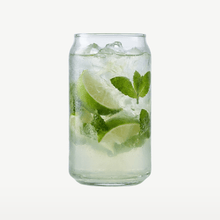
Elderflower syrup, prosecco, sparkling water, and fresh mint over ice.The right glass for valpolicella
For ripasso, we recommend a roomy red wine glass; for amarone, a large one. The aromas linger and develop in the bowl, which you’ll notice in the wine’s aroma and flavor. Pour to just below the widest point. That way, you can swirl the wine without spilling. These are the glasses we recommend.


Everything else you wanted to know about valpolicella
Can’t find your question here? Check out our cocktail recipes or get in touch.
To the cocktail recipes →What is the difference between valpolicella, ripasso and amarone?
What does ripasso mean?
What is Valpolicella Ripasso Superiore?
What is the alcohol percentage in valpolicella?
Why is amarone so full-bodied, and what is recioto?
Which glass is best to use?
How long can you store a bottle?
Buy Valpolicella
Want the bottle delivered straight to your door? Order Valpolicella online at Gall & Gall. Gall & Gall has 17, 3 of which are on sale.
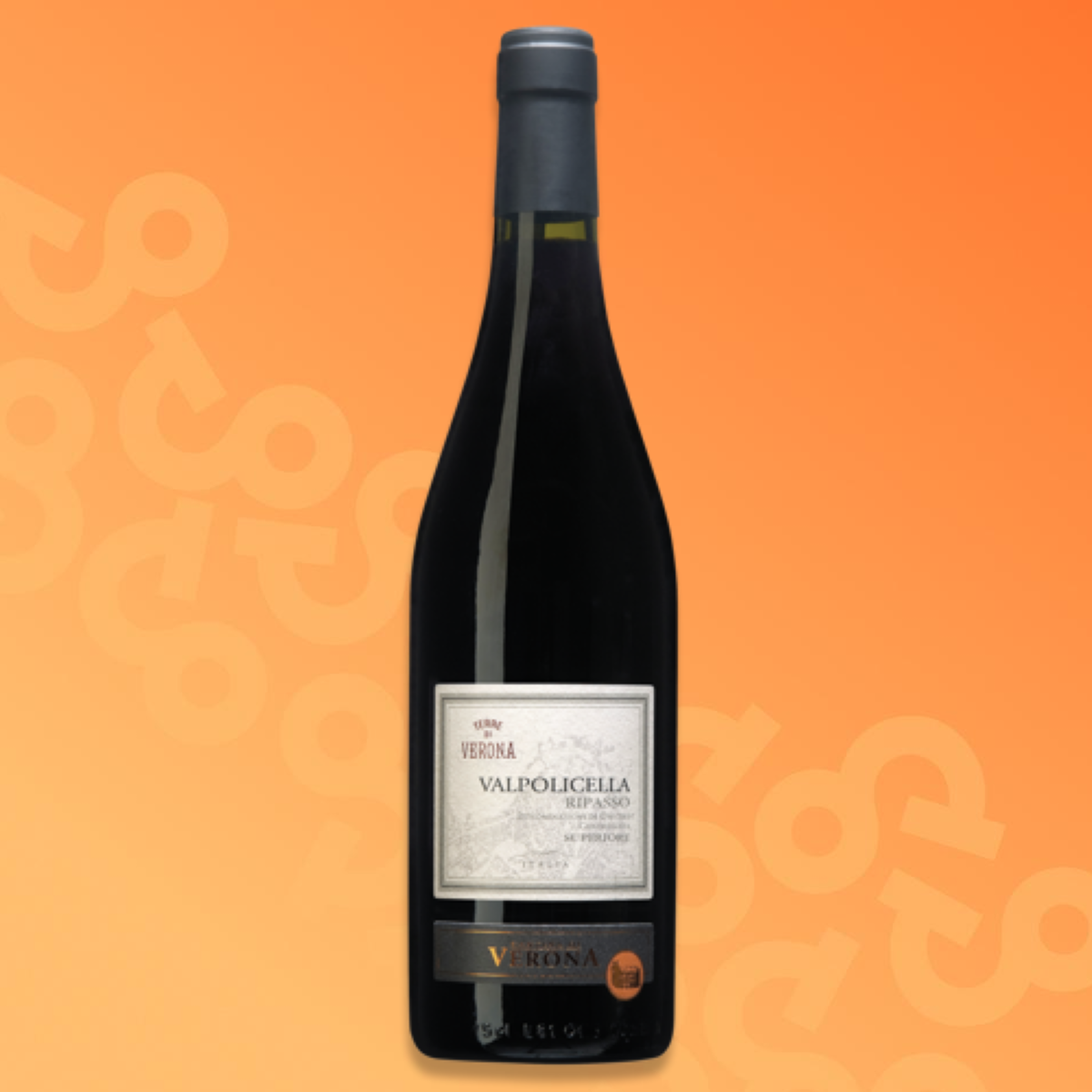
Cantina di Verona Valpolicella Ripasso
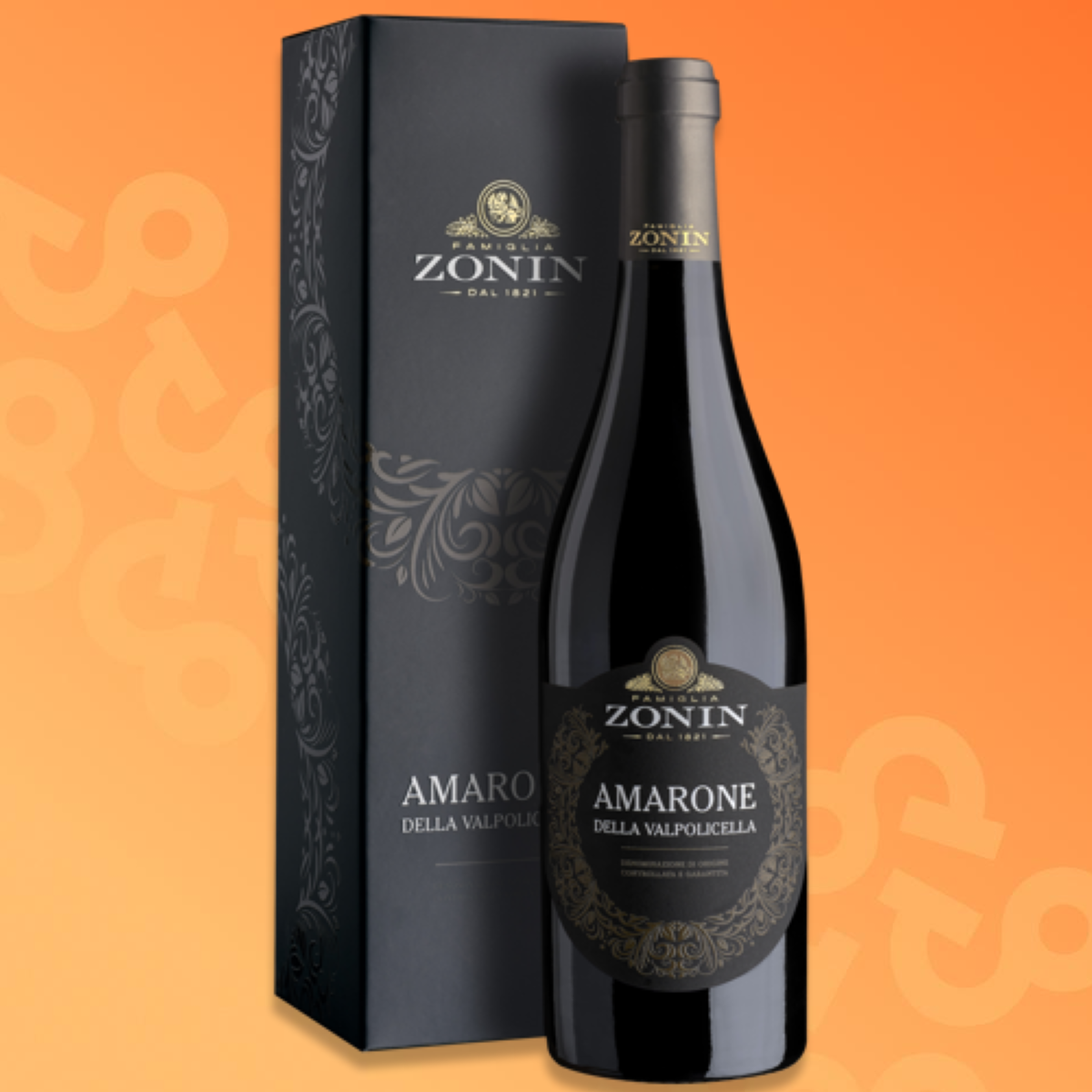
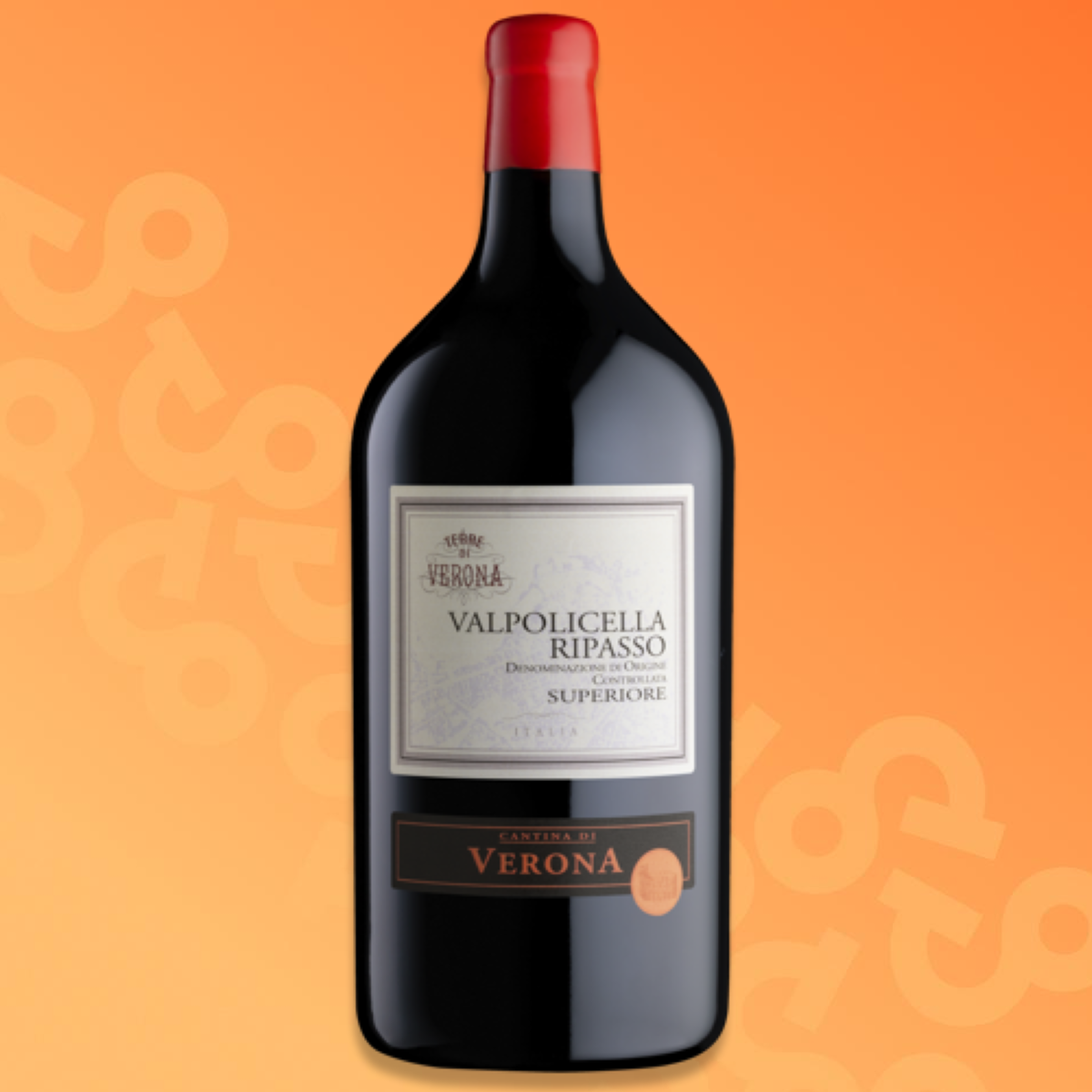
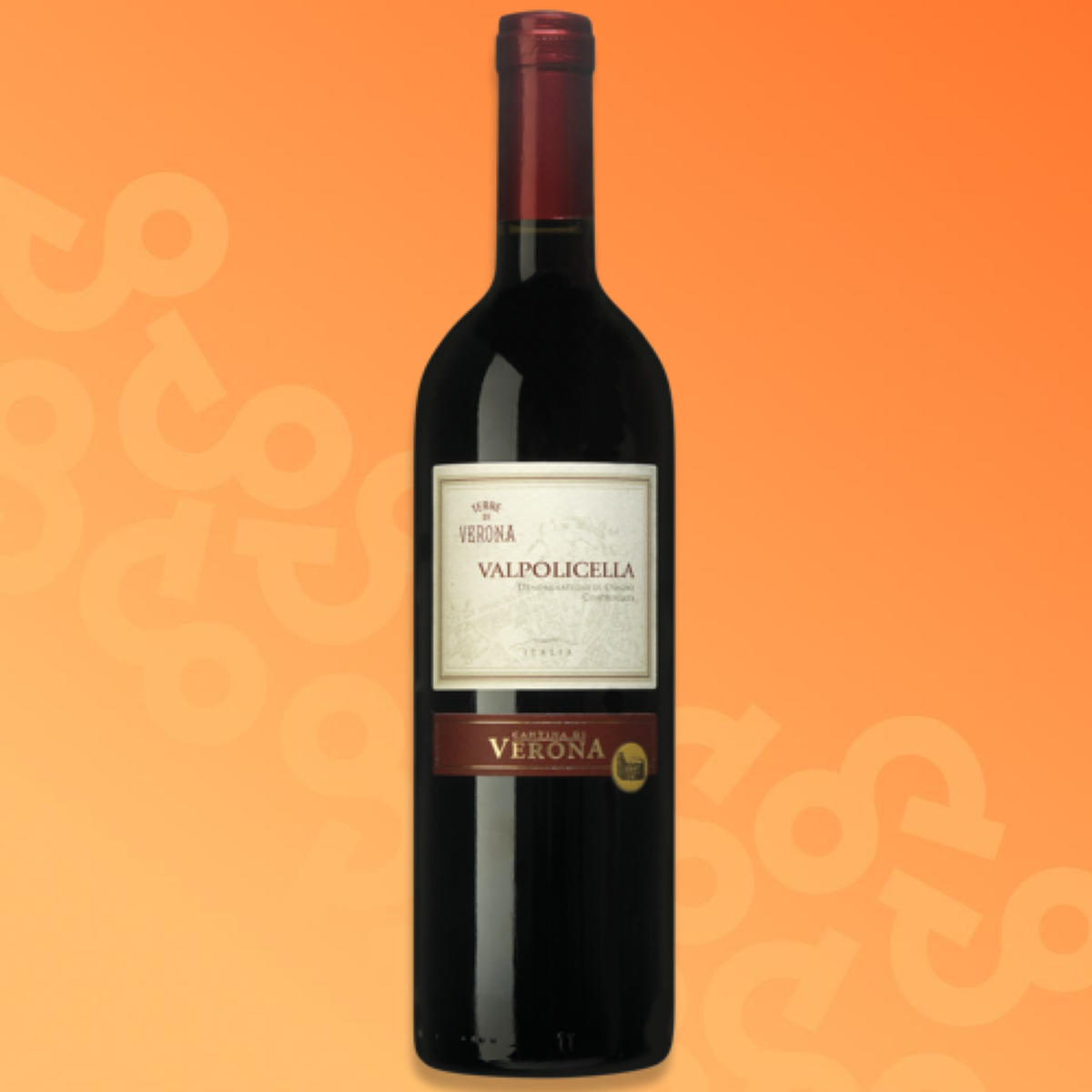
Terre di Verona Valpolicella
Prices as of November 16, 2026, as provided by Gall & Gall. You can see the current price and stock at Gall & Gall. Glazen.nl receives a small commission if you buy something through these links; it costs you nothing extra. No 18, no alcohol.