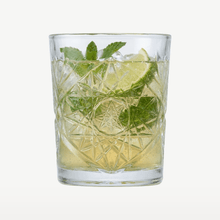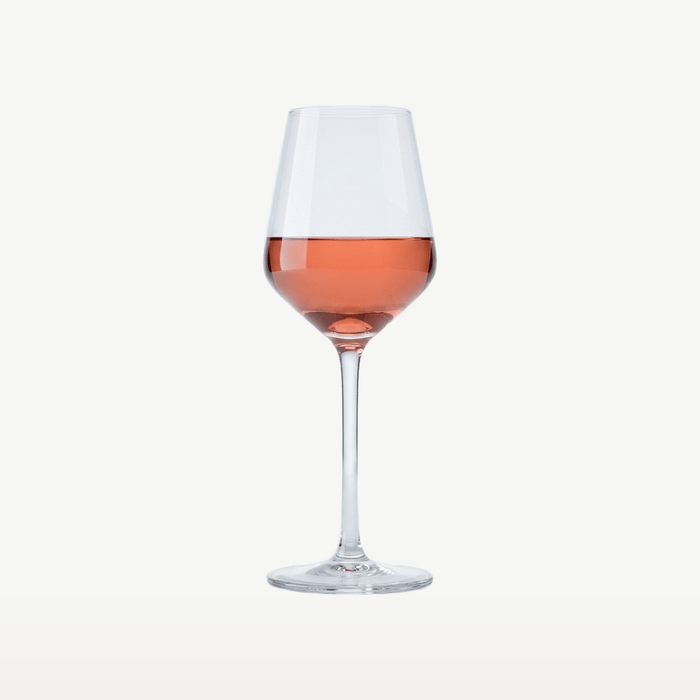
Royal Leerdam Carre Wine Glass 28 Cl - 6 Pieces
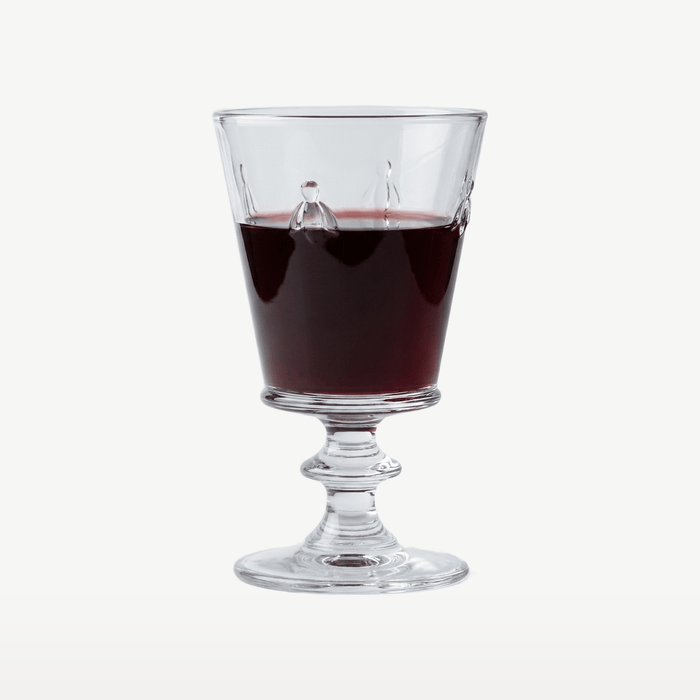
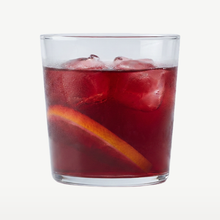
La Rochère Abeille Wine Glass 24 cl - 6 Pieces
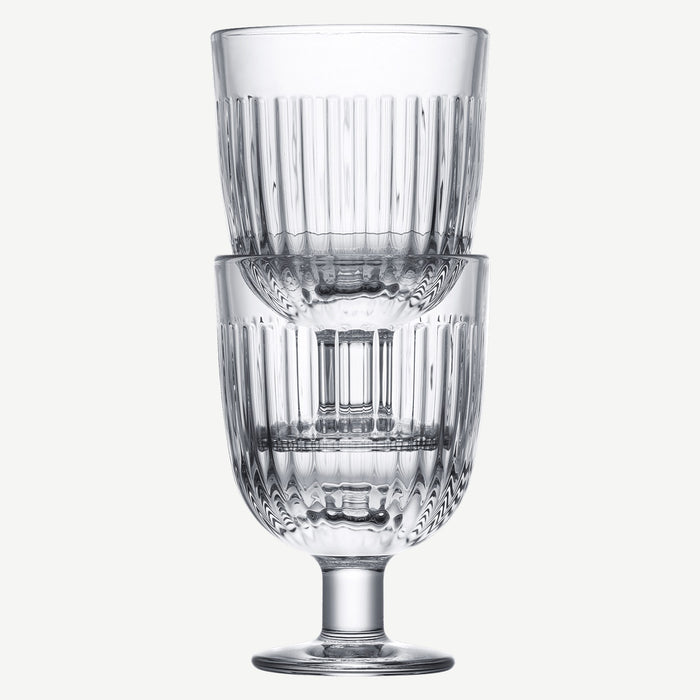
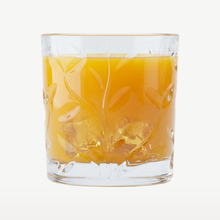
La Rochère Ouessant Stackable Wine Glass 22 Cl - 6 Pieces
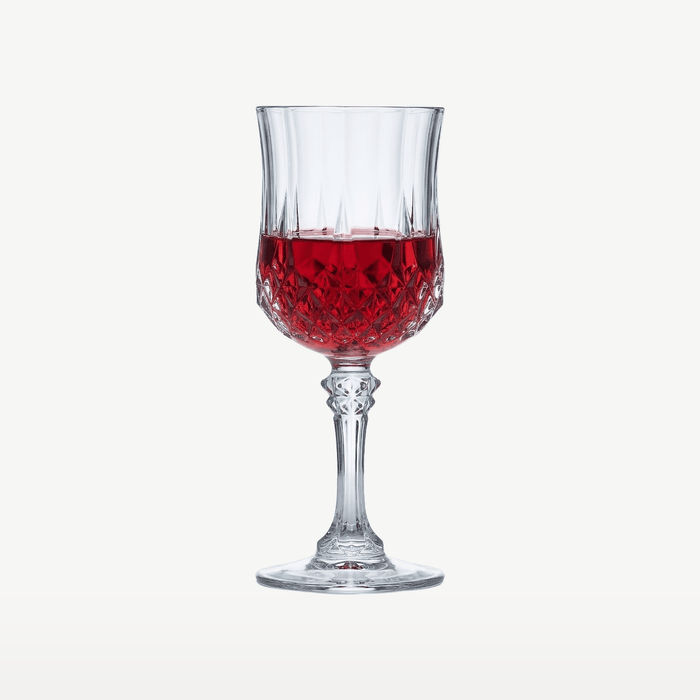
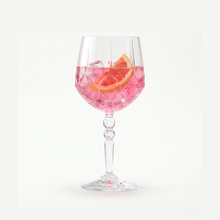
Eclat Longchamp Wine Glass 25 Cl - 6 Pieces

How to pour
an albariño in
Put the bottle in the fridge for about three hours, so the wine reaches 8 to 10 degrees. Below eight degrees, the peach and apricot fruit recedes behind the acidity; above ten, the wine loses its tension. Take the bottle out just before serving.
Cut the capsule all the way around below the ridge of the neck and wipe the rim of the bottle clean. Center the spiral on the cork, screw it straight down until just before the end, then pull the cork out in one smooth motion.
Decanting isn't necessary. Albariño is meant to be enjoyed young and benefits little from extra aeration; its acidity and salty note are precisely what make it appealing. Instead, place the bottle in an ice bucket with water and ice beside the table to keep it at the right temperature while it’s open.
Pour no more than about a third of the glass. That leaves room above the wine for its aromas, and because there’s only a little in the glass, the last sip is just as cool as the first. It’s better to top it up with small pours more often.
What did you think of this guide?
One click on a star is all it takes. If you’d like to add a comment, we’ll review it before it appears here.
Save this page
Email this page to yourself so you have the information handy when it’s time to pour. You’ll also get a € 5 discount code when you spend € 50, for the glasses that go with it.
The story
Rías Baixas lies on the Atlantic coast of Galicia, in northwestern Spain. It’s green and rainy there, and that very dampness shapes how albariño grows. The grape has a notably thick skin, which makes it more resistant to mold in a wet climate. Many vineyards use pergolas, high trellises on granite posts, so the vines grow above the ground and the wind can pass underneath. The ocean keeps summers cool, allowing the grapes to retain their acidity. Just across the Minho River, in northern Portugal, the same grape is called alvarinho.
The right glass
Albariño doesn’t need a large bowl. A compact bowl of around 35 to 40 centiliters keeps the wine cooler for longer because less surface area is exposed to the air, and concentrates the citrus and stone fruit aromas instead of letting them spread out. The description of the Stölzle Classic glass literally names albariño as a wine this size is intended for. Compare the sizes in our white wine glasses; if the bottle stays on the table, a wine cooler does at least as much as the glass.

Stölzle Lausitz Classic Wine Glass 37 cl (6 pieces)

Zwiesel Glas Bouquet Fine White Wine Glass Gavi 37 cl (2 pieces)
Both sets together € 62,85.
The right tool
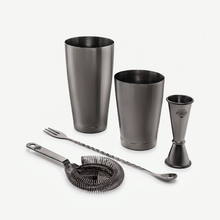
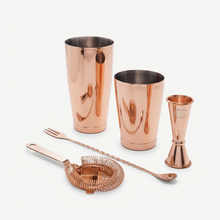
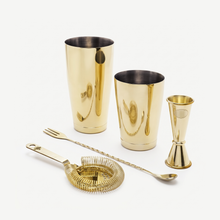
For albariño, besides a glass, you mainly need a corkscrew and a wine cooler. The bar tools below only come in handy once you make a spritz: a jigger for measuring and a citrus juicer for the juice. These are the bar tools we use ourselves; find them all in our bar tools & cocktail sets.


Glass set (our pick 01) + 2 bar tools together € 63,85.
What to serve alongside?
Albariño is rarely served on its own. These are the wines served alongside or after it at the same meal, from a glass of cava beforehand to a moscato with dessert. Each drink page tells you the alcohol percentage, what it tastes like, which cocktails it goes with, and what glass you need.


Variations & twists
Not all albariño is the same. Most bottles are crisp and youthful, but some wines are left on their lees for a while; this gives them more body and a bready note without losing their acidity. A few producers age theirs in oak, making the wine rounder but softening its salty character. In northern Portugal, the same grape is labeled alvarinho, and there it is the leading grape in vinho verde. Want to read more? Browse all drinks and brands.
Serving tip
Pour at 8 to 10 degrees and keep the bottle in a cooler between pours, because a small glass helps, but a warm bottle does not. In Galicia, albariño is the wine to serve with shellfish and seafood: mussels, clams, shrimp, squid, and fried fish. Its acidity cuts through fried food, while its salty note echoes the flavors of the sea. It doesn’t hold up to a heavy cream sauce or heavily spiced meat.
Good to know
Why albariño has such a thick skin
Rías Baixas gets a lot of rain and stays humid. A thick skin makes the grape more resistant to mold, which is an important reason albariño thrives there. The skin also contributes flavor, since most of the aromatic compounds are found in it. This explains the wine's pronounced peach, apricot and citrus character.
Pergolas instead of rows
In Galicia, you often see the vines growing high on pergolas, trellises on granite posts that you can walk beneath. This keeps the bunches well off the wet ground and allows the wind to pass through, limiting moisture around the grapes. The pergolas also left room on the same plot for other crops.
Albariño and alvarinho
It is the same grape, with Spanish and Portuguese spellings. In Spain, Rías Baixas is the best-known region; in northern Portugal, alvarinho is the grape used to make more serious vinho verde. The Minho River forms the border between the two countries there.
Where that saline note comes from
Many drinkers notice a saline, almost ocean-like impression alongside the fruit in albariño. This is a flavor impression, not salt in the wine. Exactly where that impression comes from has not been definitively established; the wine's proximity to the ocean is often mentioned, but that explanation is hard to substantiate.
How much alcohol it contains
Albariño has roughly 12 to 13.5 percent alcohol. The exact percentage is listed on the label. Alcohol-free white wine contains less than 0.5 percent alcohol, as stated on the bottle.
How long you can keep it
Most albariño is intended to be drunk young, within a year or two of the harvest, as its freshness is what makes it appealing. Bottles aged on their lees can keep longer. Once opened, a bottle will keep its flavor for another two to three days in the refrigerator with a stopper.
Frequently asked questions
What kind of wine is albariño?
Albariño is a white grape from Rías Baixas, in Galicia in northwestern Spain. The wine is dry and fresh, with high acidity, notes of peach, apricot and citrus, a saline impression and a slightly bitter finish. It is meant to be drunk young and served at 8 to 10 degrees.
What temperature should you serve albariño at?
Between 8 and 10 degrees, which you can achieve with about three hours in the refrigerator. Colder temperatures mute the peach and apricot fruit, while warmer temperatures make the wine lose its tension. Keep the bottle in a cooler in between pours, so the last glass is just as cool as the first.
What glass should you use for Albariño?
A compact white wine glass of about 35 to 40 centiliters. The smaller bowl keeps the wine cool and concentrates the citrus and stone fruit aromas. A wide Burgundy glass is too large for this: the wine warms up faster and the aromas disperse. Hold the glass by the stem, not the bowl.
What goes with Albariño?
Seafood to start with: mussels, clams, prawns and squid, as they serve it in Galicia. Also fried or grilled fish, a plate of tapas and young cheese. The wine gets overshadowed by a rich cream sauce or heavily spiced meat.
Also delicious
Buy Albariño
Want the bottle delivered right away? Order Albariño online from Gall & Gall. Gall & Gall has 7.
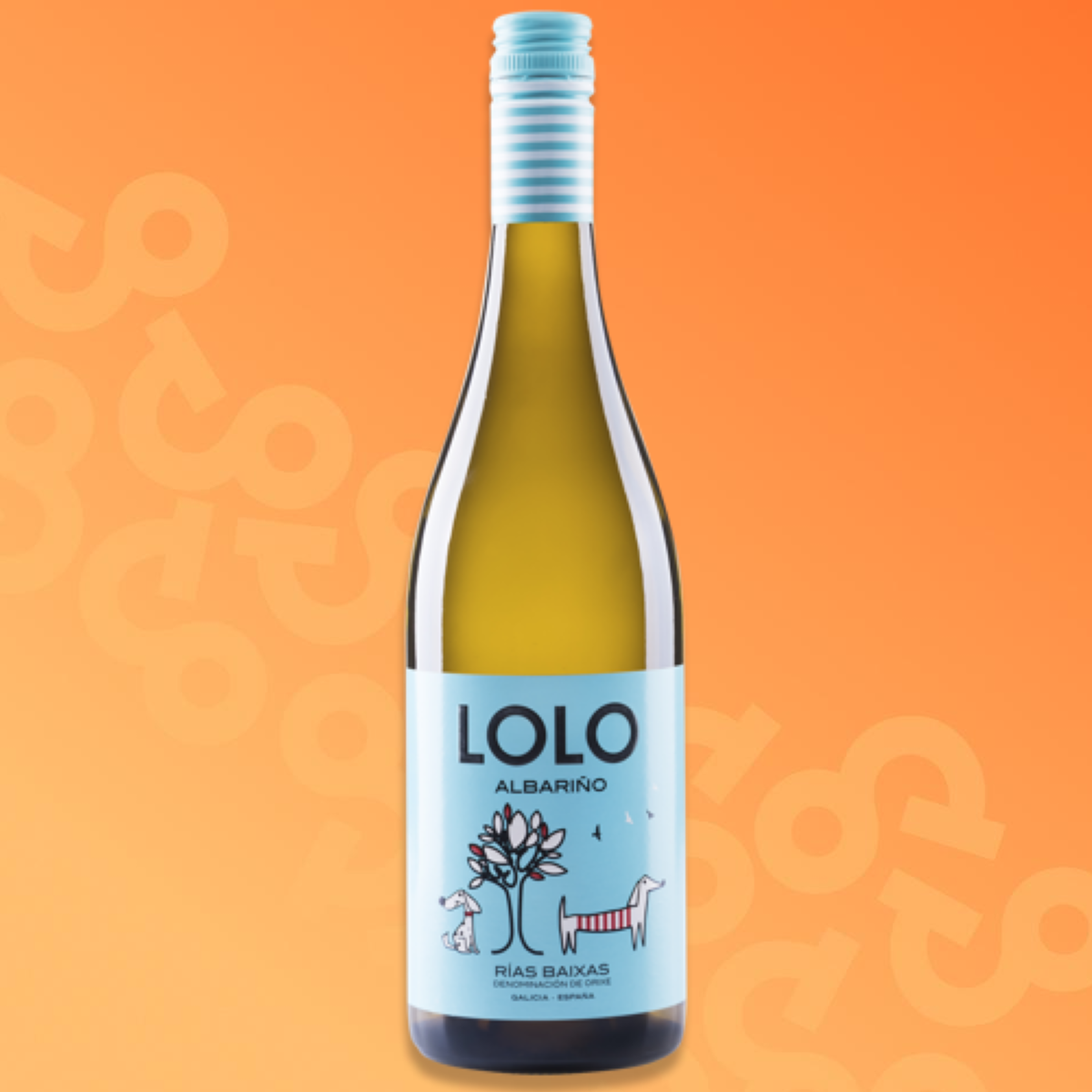
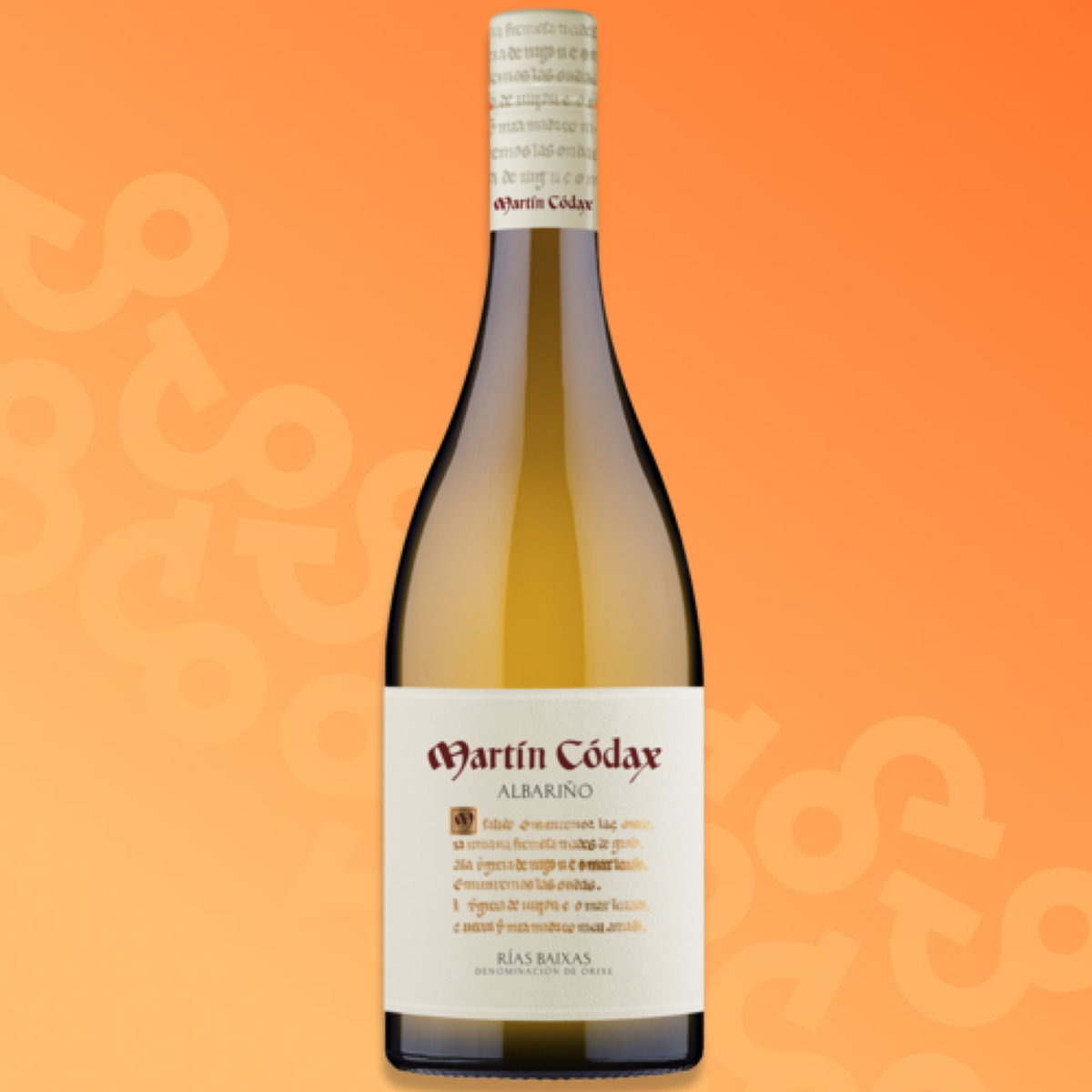
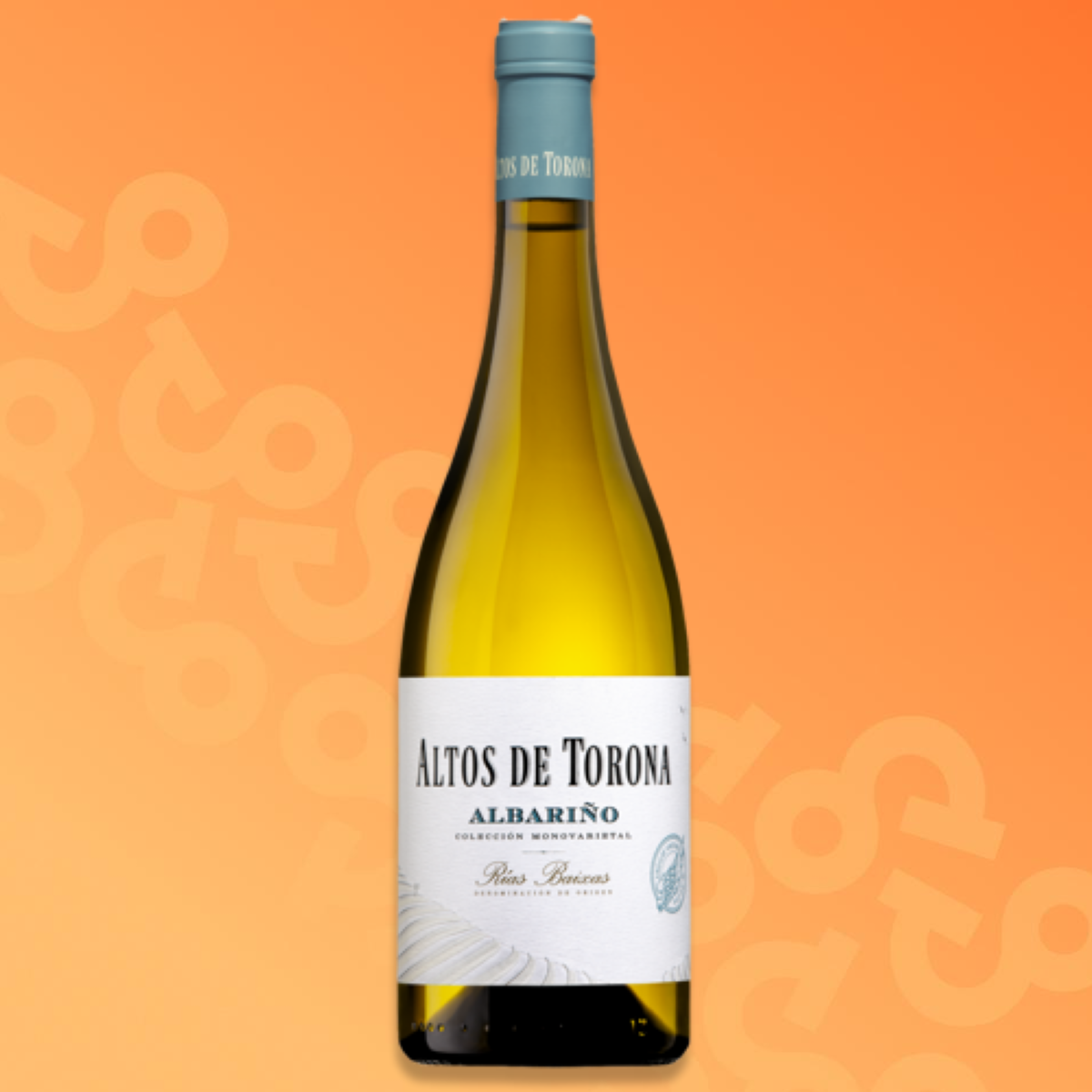
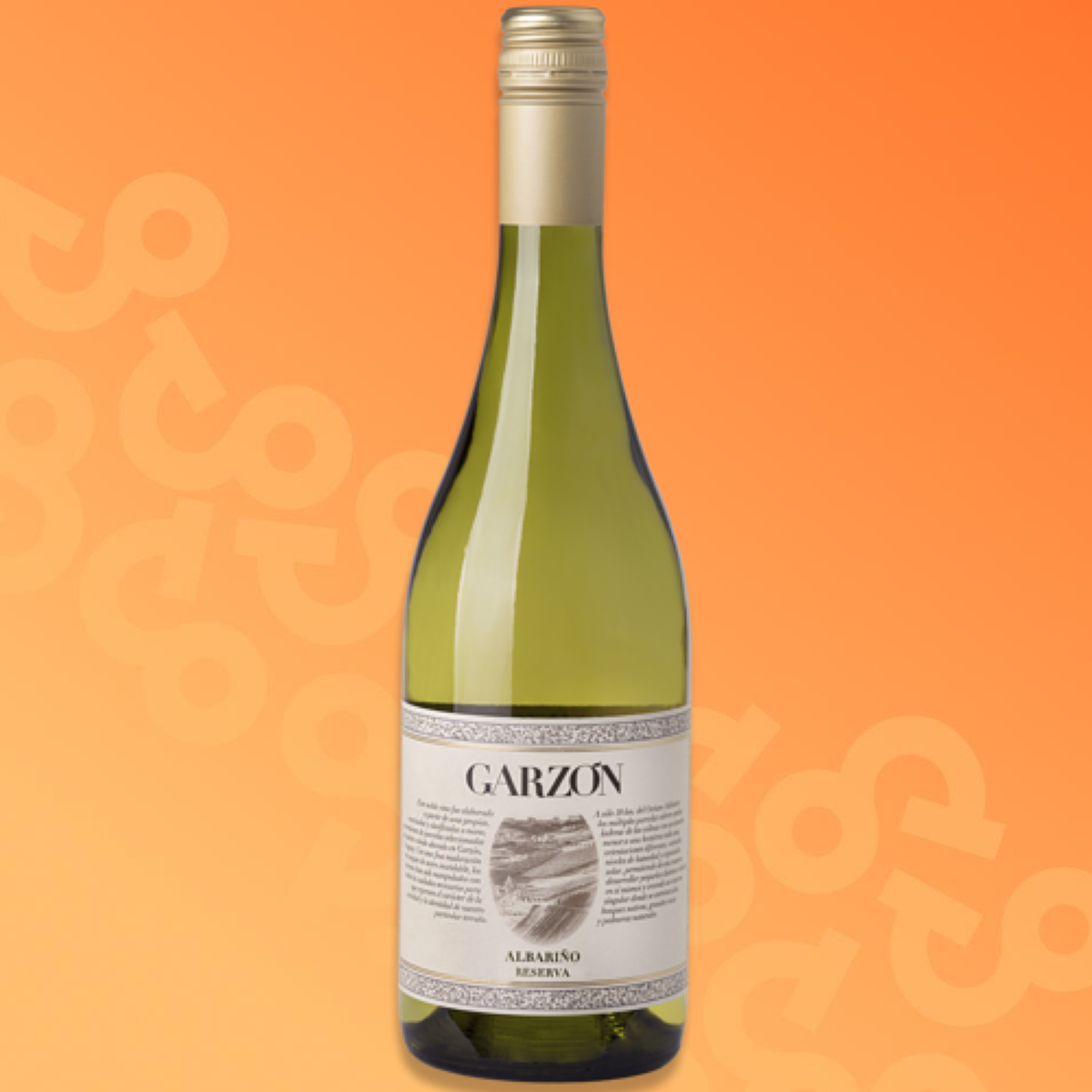
Bodega Garzón Reserva Albariño
Prices as of November 17, 2026, as provided by Gall & Gall. You can see the current price and stock at Gall & Gall. Glazen.nl receives a small commission if you buy something through these links; it costs you nothing extra. No one under 18; no alcohol.
Everything for your bar,
to one address
Hospitality-quality glasses, sold in sets. Order today, delivered quickly.
Shop glasses →