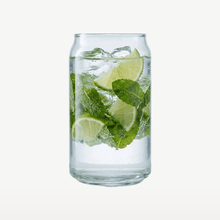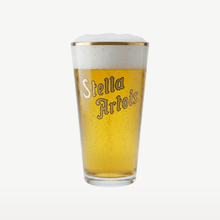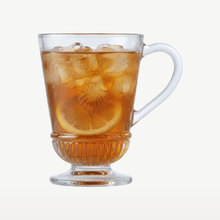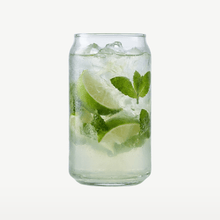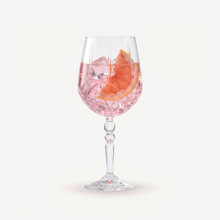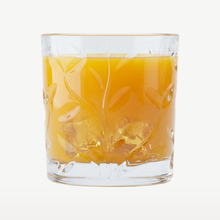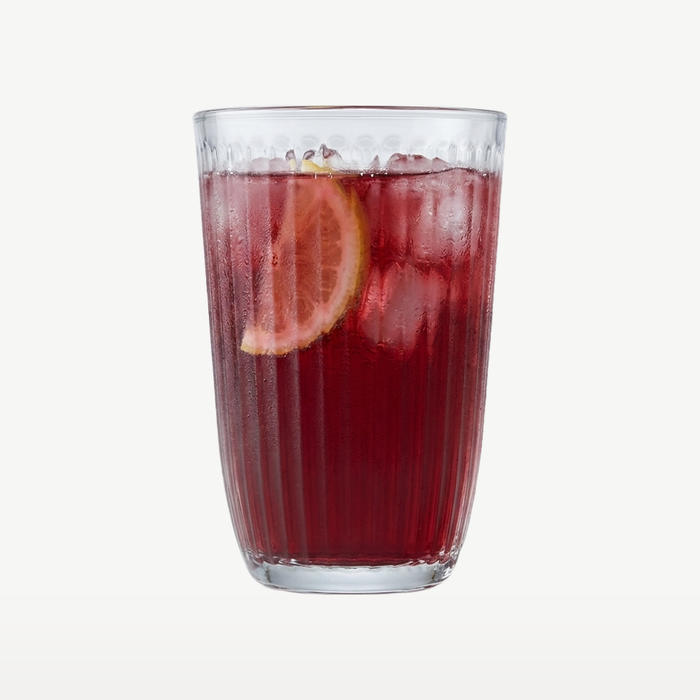
Bormioli Rocco Line Long Drink Glass 39 Cl - 6 Pieces

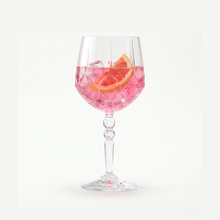
RCR Mixology Highball Glass 36 Cl - 44 Cl Assorted

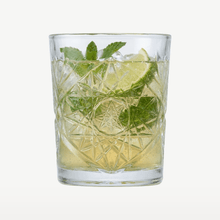
La Rochère Abeille Highball Glass 31 cl - 6 Pieces

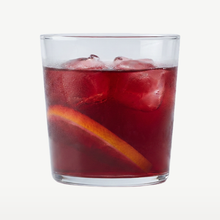
Nude Glass Big Top Highball Glass 34 Cl - 6 Pieces

How to pour it
a tonic in
Put the glass in the fridge for 15 minutes or fill it with ice first and pour out the meltwater. A cold glass helps keep the ice from melting, and less melting ice means less water in your tonic.
Fill the glass to the top with large ice cubes. Lots of ice melts more slowly than a few cubes, because a full column of ice stays cold and each cube has less surface area to melt.
Hold a bar spoon with the rounded side facing up against the ice and pour the tonic over the back of the spoon. This lets the tonic slide down along the ice instead of splashing onto it, helping keep the fizz in the glass.
Don't squeeze the lime wedge; slide it down the side of the glass, and add the sprig of rosemary if you're using Mediterranean tonic. If you'd like gin, use 1 part gin to 3 to 4 parts tonic, so 4 cl gin to 12 to 16 cl tonic.
What did you think of this guide?
Just click a star once. If you’d like to add a comment, we’ll review it before it appears here.
Save this page
Send this page to your own email so you’ll have the instructions handy when it’s time to pour. You’ll also get a € 5 discount code on orders over € 50 for the glasses to go with it.
The story
Tonic is the only soft drink whose flavor comes from a tree. Quinine comes from the bark of the cinchona tree, originally from the mountains of South America, and it’s what gives tonic its dry, bitter finish. Quinine does something else, too: it glows blue under ultraviolet light, so put a glass of tonic under a blacklight and it will glow. The amount of quinine allowed is regulated by law, and you can taste the difference: today’s tonic is much milder than the versions from a century ago. What brands do next is frame the bitterness with citrus, herbs, blossoms, or simply less sugar.
The right glass
Tonic mainly needs room for ice, which is why a rounded copa glass on a stem works so well: it fits six to eight cubes, the stem keeps your warm hand away from the drink, and the wide bowl lets you see the bubbles and garnish. A tall, straight glass works too, especially if you prefer a narrow column of ice; you’ll find those models among the highball glasses.

RCR Alkemist Gin and Tonic Glass 67 cl (6 pieces)

Pasabahce Bistro Gin and Tonic Glass 63 cl (6 pieces)
Both sets together € 74,90.
The right tools
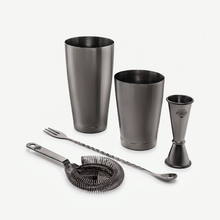
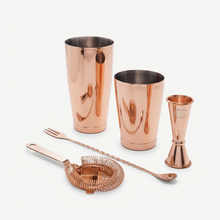
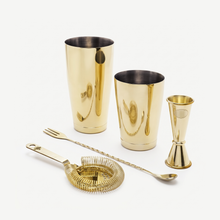
For a tonic, use a bar spoon beside the glass to pour in the tonic, and a jigger to measure the proportions precisely. These are the bar tools we use ourselves; you’ll find everything in our bar tools & cocktail sets.

Pour over the back of the spoon to preserve the carbonation

Glass set (our choice 01) + 2 bar tools together € 75,85.
Which drink goes with your tonic?
Tonic water itself is alcohol-free. The classic combination is gin and tonic, in a ratio of 1 to 3 or 1 to 4, and vodka works just as well, with fewer herbs in the mix. On each drinks page, you’ll find the alcohol percentage, how it tastes, which cocktails it goes with, and which glass you need.


Variations & twists
Indian tonic is the straightforward version, with the most bitterness; Mediterranean is softer and more herbal, elderflower adds floral notes, and light has less sugar, which brings the bitterness to the fore. A slice of grapefruit instead of lime makes it rounder, while a few juniper berries give it a gin-like feel without the gin. If you’re drinking it neat, use a slightly smaller glass, because tonic without any alcohol in it can quickly taste flat in a large copa glass. Want to read more? Browse all drinks and brands.
Serving tip
Always pour tonic water from a bottle you’ve just opened, because a half-full bottle from yesterday has already lost most of its carbonation. Tilt the glass as you pour, and only set it upright when it’s nearly full. Put the bottles and ice on the table separately, for example in one of the ice buckets, so everyone can fill their own glass when they’re ready to drink it.
Good to know
Where does quinine come from?
Quinine is a substance found in the bark of the cinchona tree, which originally grows in the mountains of South America. The bark is bitter, and that bitterness comes through in tonic water. There’s a legal upper limit on how much quinine soft drinks can contain, so there isn’t much; just enough for the flavor, and no more.
Why does tonic water glow under a black light?
Quinine is fluorescent: it absorbs ultraviolet light and emits it as visible blue light. Put a glass of tonic under a blacklight and the whole liquid will glow bright blue. This doesn’t happen with plain water or another soft drink, so it’s an instant way to test whether it really contains quinine.
What’s the difference between Indian, Mediterranean, elderflower, and light tonic?
Indian tonic is the classic dry version, with the most pronounced bitterness. Mediterranean is milder and more herbal, with notes of rosemary and thyme. Elderflower has added elderflower and tastes more floral and sweet. Light contains less sugar, making the bitterness relatively more pronounced.
What gin-to-tonic ratio should you use?
Usually 1 to 3 or 1 to 4. For 4 cl gin, that means 12 to 16 cl tonic. Use less tonic, and the gin will overpower it and the freshness will disappear; use more, and it’ll taste flat. Stick to 1 to 3 with a mild gin and 1 to 4 with a more pronounced gin.
Why should the glass and tonic be cold?
Carbonation stays in cold liquid better, so cold tonic in a cold glass stays fizzy for longer. Also, ice melts more slowly in a chilled glass, and less meltwater means your drink stays flavorful to the last sip instead of ending up watered down.
Why pour it over a bar spoon?
If you pour tonic directly over the ice, it breaks up and you lose a substantial amount of your bubbles in a few seconds. Hold a bar spoon with the rounded side facing up against the ice, and the tonic will run down along it, keeping most of the carbonation in the glass.
Frequently asked questions
Why is tonic bitter?
Because of quinine, a substance from the bark of the cinchona tree. That bitterness isn’t a side effect; it’s the whole point of tonic: without quinine, you just have sweet sparkling water.
How much gin should you use with tonic?
Usually 1 part gin to 3 to 4 parts tonic, so 4 cl gin to 12 to 16 cl tonic. With a mild gin, you can go with 1 to 3; with a more pronounced gin, 1 to 4 is more pleasant.
Does tonic really glow under a blacklight?
Yes. Quinine is fluorescent and emits a bright blue glow under ultraviolet light. A glass of tonic under a blacklight will therefore visibly glow.
What’s the difference between Indian tonic and Mediterranean tonic?
Indian tonic is the dry classic, with bitterness taking center stage. Mediterranean tonic is milder and more herbal, with notes of rosemary and thyme, making it less sharp in flavor.
Buy tonic
Want the bottle delivered straight to your door? Order tonic online at Gall & Gall. Gall & Gall has 29 varieties, 3 of them on sale.
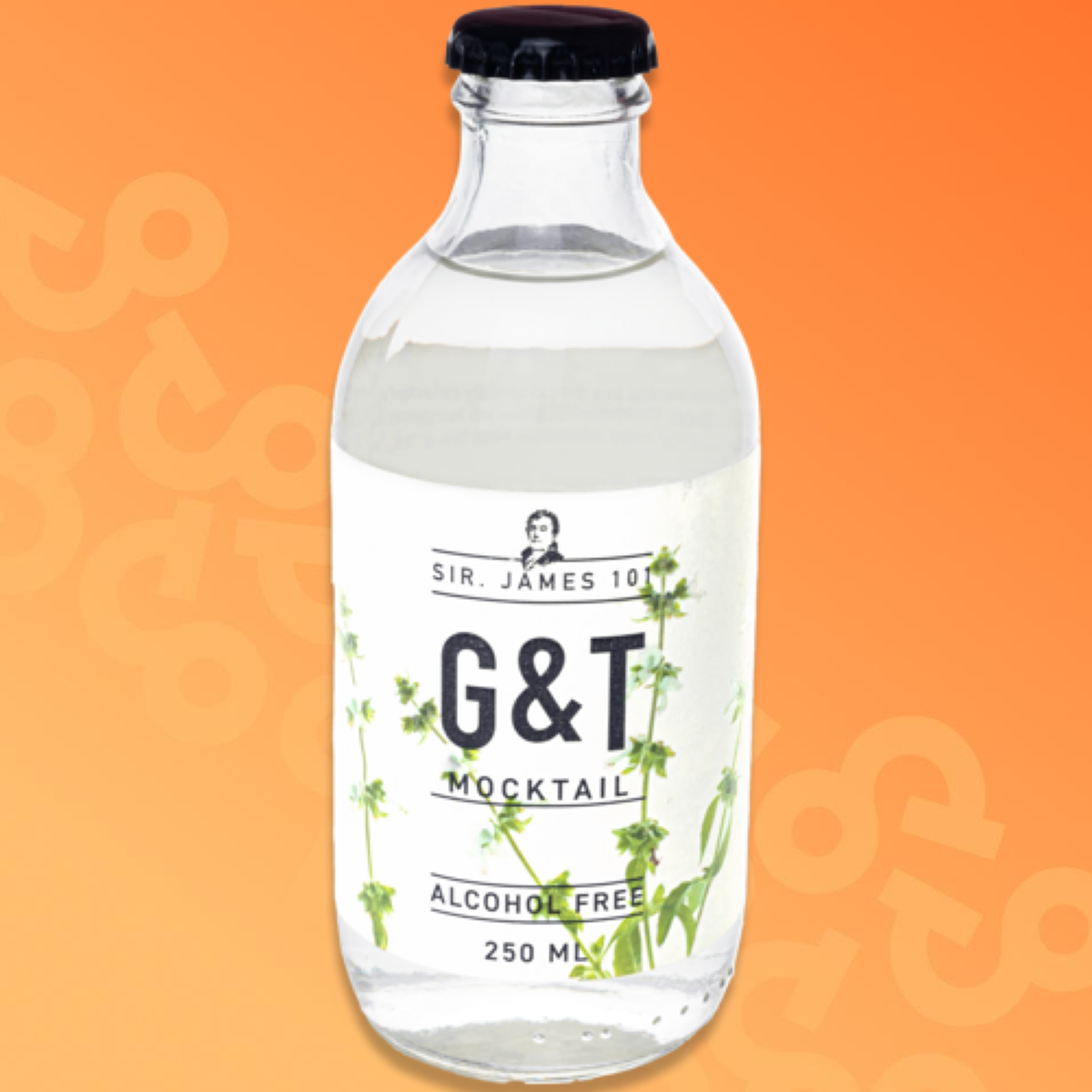
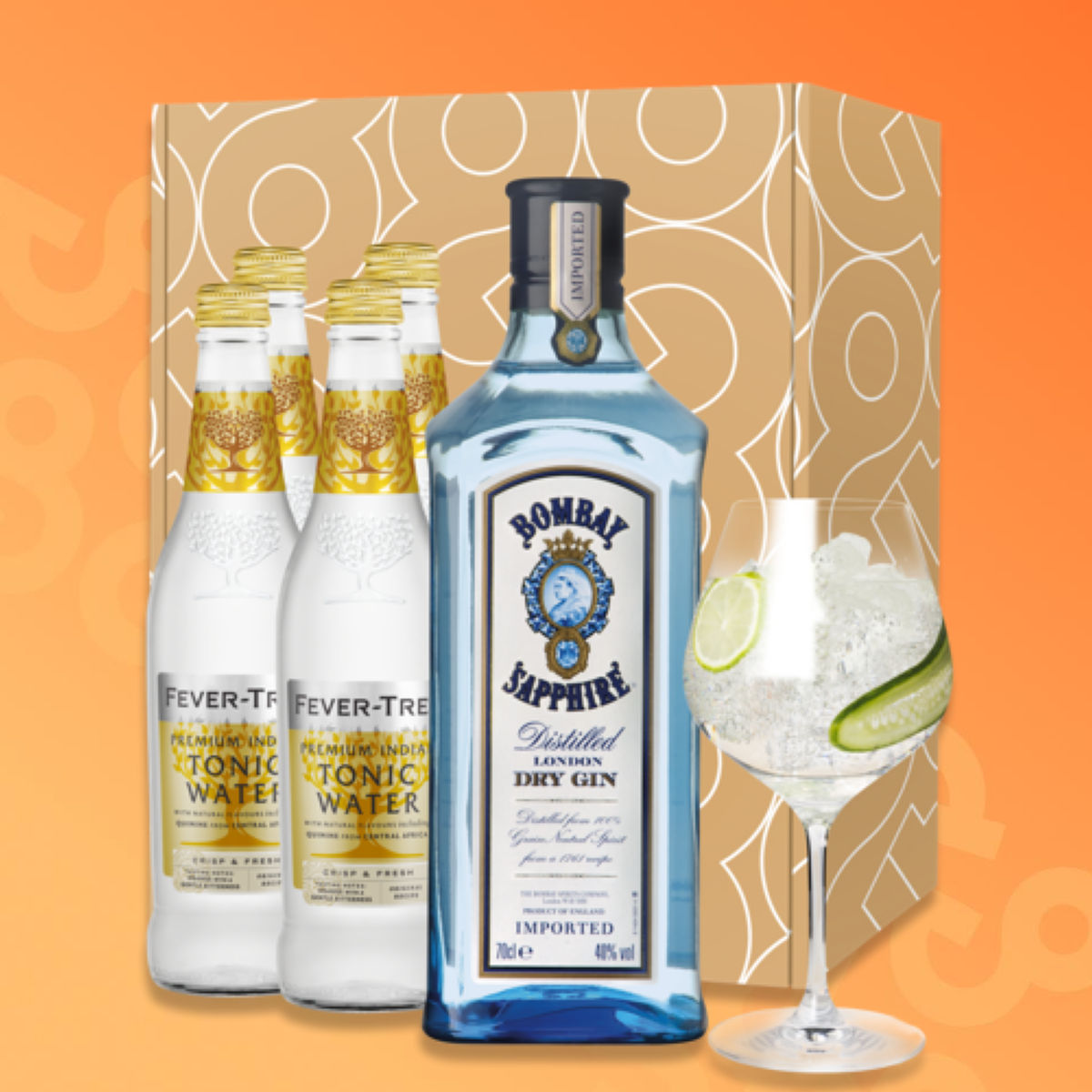
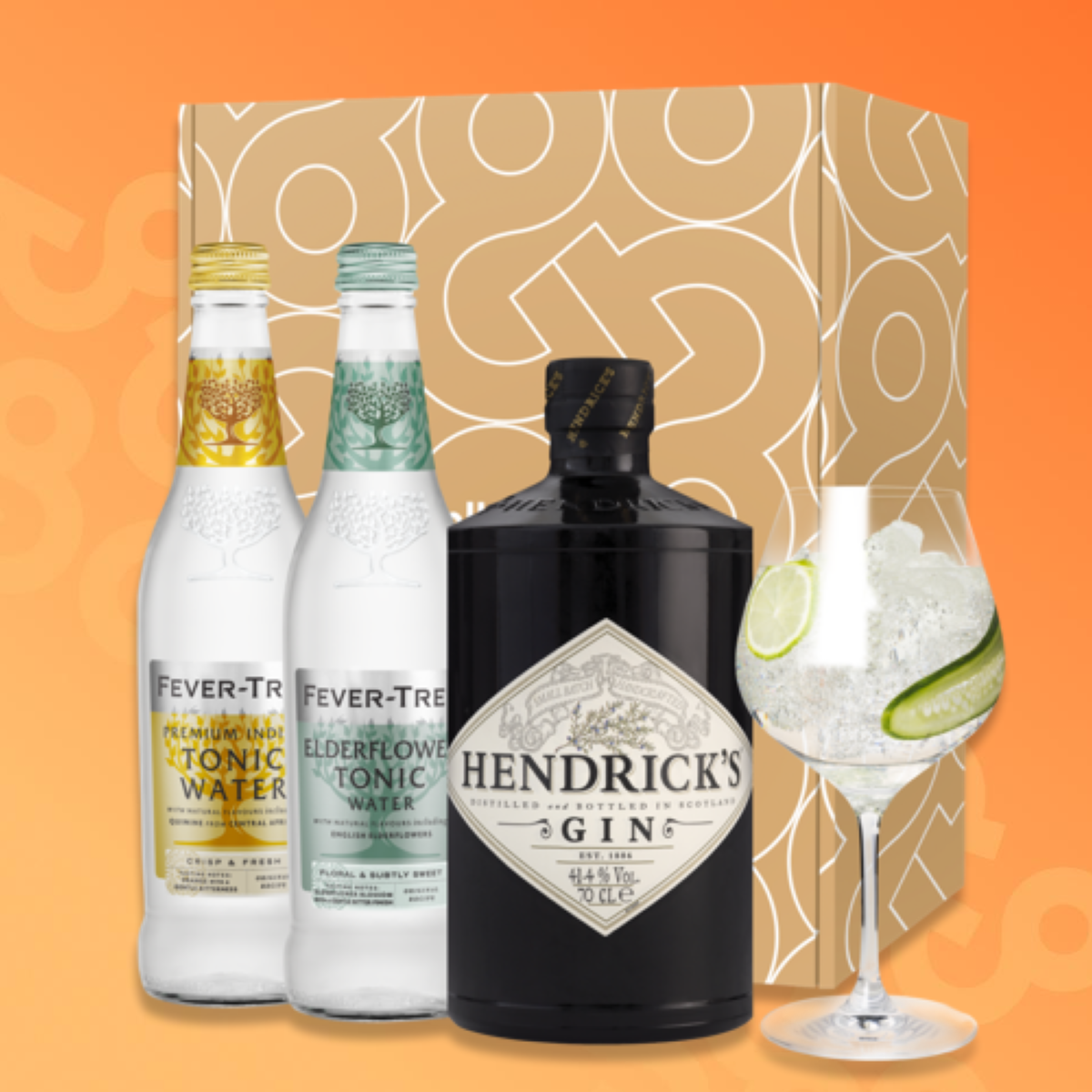
Prices as of November 16, 2026, as provided by Gall & Gall. You can see the current price and stock at Gall & Gall. Glazen.nl receives a small commission if you buy something through these links; you pay nothing extra. No under-18s, no alcohol.
Everything for your bar,
at one address
Hospitality-quality glasses, sold in sets. Order today and they’ll arrive quickly.
Shop the glasses →