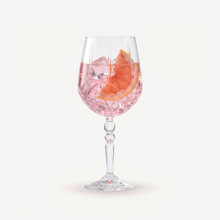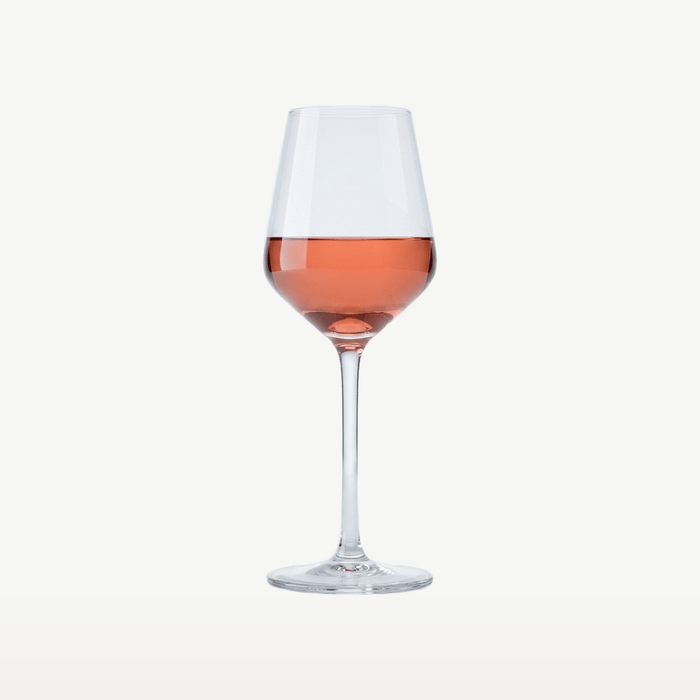
Royal Leerdam Carre Wine Glass 28 Cl - 6 Pieces
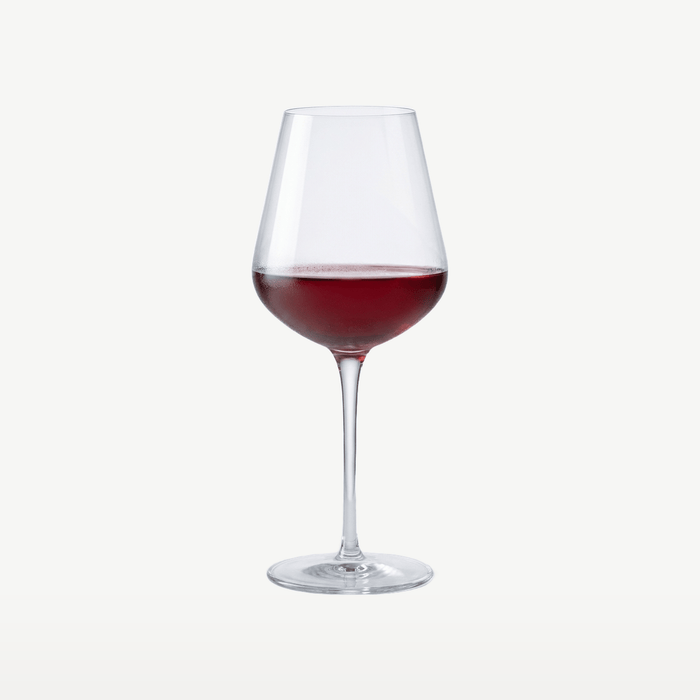
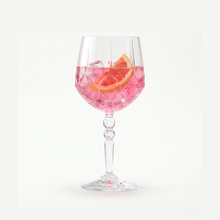
Bormioli Rocco Uno Inalto Wine Glass 47 Cl - 6 Pieces
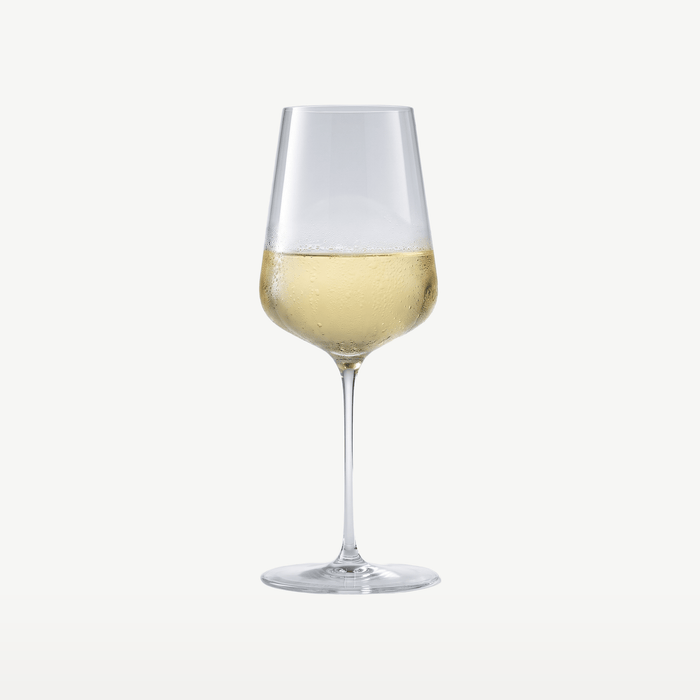
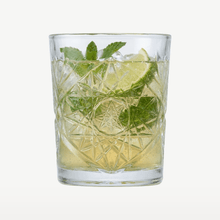
Spiegelau Definition Wine Glass 55 Cl - 6 Pieces
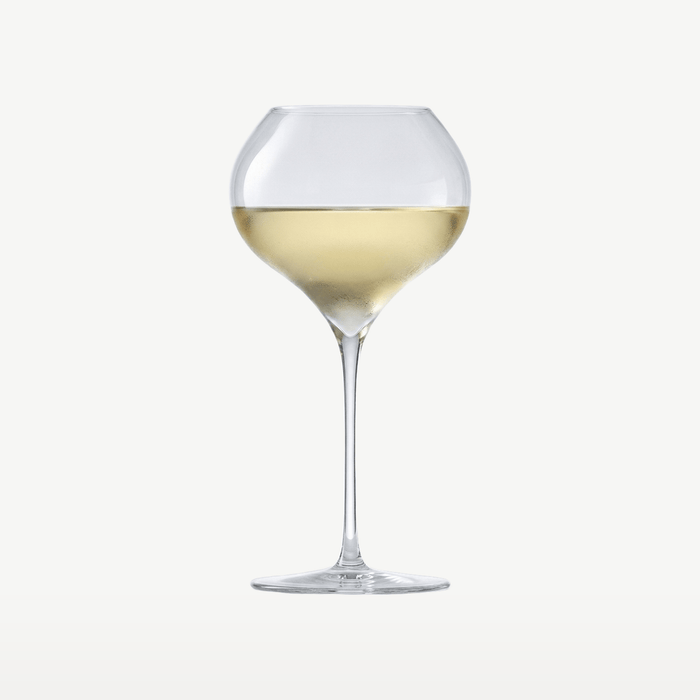
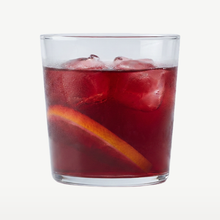
Lehmann Grand Blanc Wine Glass 54 Cl - 6 Pieces

How to pour
a natural wine in
Put the bottle in the fridge for two hours, or in a bucket of water and ice for half an hour. Serve natural wine cooler than you might be used to: at 10 to 14 degrees, the wine stays fresh and its volatile aromas remain subdued. A light white or a pét-nat can be served at the cooler end of that range.
Cut around the capsule just below the ridge of the neck and wipe the rim clean. If it has a crown cap, as many pét-nats do, use a regular bottle opener and keep your thumb on the cap, as the pressure from the carbonation can make it fly off. Open the bottle upright and slowly.
Whether to decant natural wine is a conscious choice. Wine that smells musty or yeasty when opened often improves after ten minutes of air. If you want to leave the sediment in the bottle, pour slowly and leave the last bit behind; if you want to include all of it, gently tilt the bottle back and forth a few times first.
Pour up to about a third of the way into the roomy glass. This leaves space to swirl the wine, and with natural wine, the aroma in the glass often changes within just a few minutes. A slight cloudiness and a little fizz are normal and don’t mean anything is wrong.
What did you think of this explanation?
One click on a star is all it takes. If you’d like to add a comment, we’ll review it before it appears here.
Save this page
Email this page to yourself so you have the information handy when it’s time to pour. You’ll also get a €5 discount code on orders over €50 for the matching glasses.
The story
Natural wine is a movement without a rulebook. There’s no European definition or certification protecting the term, so what’s in the bottle varies from producer to producer. What most producers have in common is that the grapes are grown organically or biodynamically, the must ferments using the yeasts naturally present on the skins and in the cellar, and as little as possible is adjusted in the cellar. France recently introduced the vin méthode nature label. It’s a private designation from an association of producers with its own guidelines, and therefore not legislation.
The right glass
Natural wine mainly needs room. A bowl of 40 cl or more gives the wine room to breathe, which helps with bottles that still smell a little closed or yeasty when opened. There’s no such thing as a glass sold as a natural wine glass, not in this range and not as a specific model; the all-rounders in the wine glasses come closest, because they work for white, rosé, and light reds. If you don’t finish the bottle in one sitting, also take a look at the wine stoppers.

Chef & Sommelier Open Up Universal Wine Glass 40 cl (6 pieces)

RCR Optiq Wine Glass 45 cl (6 pieces)
Both sets together € 95,90.
The right tools
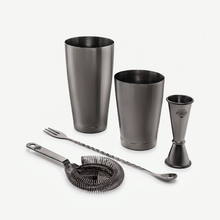
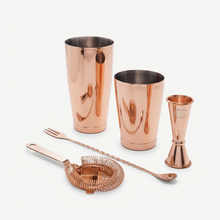
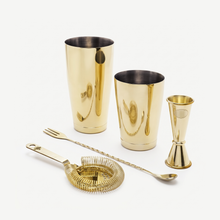
For a bottle of natural wine, besides a glass, all you really need is a corkscrew and, if you don't finish the bottle in one sitting, a wine stopper. The bar tools below only come into play when the bottle goes into a sangria or a spritz: a bar spoon for stirring and a jigger for measuring. These are the bar tools we use ourselves; find them all in our bar tools & cocktail sets.


Glass set (our choice 01) + 2 bar tools together € 79,85.
What goes with it?
Natural wine is rarely served on its own. These are the types and styles that come before, alongside, or after it, from a glass of prosecco to start to a moscato with dessert. Each drinks page tells you the alcohol percentage, what it tastes like, which cocktails it goes with, and what glass you need.


Variations & twists
Natural wine encompasses more than one style. Pét-nat, short for pétillant naturel, is sparkling and finishes fermenting in the bottle, usually under a crown cap. There are also still white, rosé, and red wines under the same umbrella, as well as wine made from white grapes that has spent a long time on the skins. What they have in common is the method, not the color or the taste. Want to read more? Browse all drinks and brands.
Servingtip
Serve at 10 to 14 degrees and put the bottle back in the fridge between pours, because natural wine gets restless quickly when warm. Ideally, finish the bottle the same day: with little or no added sulfites, there's less protection against oxygen, so an open bottle changes faster than you may be used to. It pairs best with simple food, such as a cheese board, charcuterie, roasted vegetables, or a quiche.
Good to know
What natural wine means in practice
There is no legal definition. Producers usually mean the following: the grapes are grown organically or biodynamically and are often hand-harvested; the must ferments with wild yeast rather than cultured yeast; little or nothing is added, and the wine is filtered little or not at all. Sulfite is omitted or added in small quantities only just before bottling. Since no one regulates the term, its meaning varies from producer to producer and from bottle to bottle.
The vin méthode nature label
In France, there is the vin méthode nature label. It is a private designation created by an association of producers, with its own rules and checks, and is therefore not legislation. A bottle without the label may well have been made using the same methods, while a bottle with the label only indicates that the producer has committed to following those rules.
Why it can be cloudy and sometimes fizzy
Natural wine is usually unfiltered or only lightly filtered, and not fined. As a result, yeast residues and fine particles remain in the wine, making it look hazy. A layer of sediment may form at the bottom of the bottle. Sometimes there is also a slight fizz because fermentation has continued a little in the bottle. Both are part of the process and, on their own, say nothing about the wine’s quality.
The flip side: things can go wrong too
With little or no sulfite, there is less of a safety net. A bottle may smell volatile, with a vinegar-like or nail-polish-like note; it may taste moussy, or it may quickly turn after opening. Residual sugar can also continue fermenting and create an unintended fizz. Keeping it cool reduces that risk. If a bottle smells truly unpleasant, it is usually not something you just need to get used to.
How much alcohol it contains
Natural wine usually has roughly 10 to 14 percent alcohol, about the same range as conventional wine in a comparable style. Since little is adjusted in the cellar, the alcohol content varies more from vintage to vintage than you would expect from a large producer. It is always listed on the label.
Frequently asked questions
What exactly is natural wine?
There is no legal definition. In practice, it means grapes grown organically or biodynamically, fermentation with wild yeast, few or no additives, and little or no added sulfite. The wine is often unfiltered and therefore slightly cloudy. Since the term is not protected, its meaning varies from producer to producer.
Is natural wine the same as organic wine?
No. Organic and biodynamic refer to vineyard practices and are regulated, with inspections and certification. Natural wine also refers to what happens in the cellar: wild yeast, few or no additives, and little or no sulfite. Much natural wine is organic, but organic wine is by no means always natural wine.
What temperature should you serve natural wine at, and what glass should you use?
Between 10 and 14 degrees, in a roomy glass of 40 cl or more. Serve it cooler than you might expect for red wine, as this keeps the volatile aromas more subdued, and in a larger glass than a regular white wine glass, to let the wine breathe. Two hours in the fridge will bring a bottle to about that temperature.
How long does an opened bottle of natural wine keep?
Shorter-lived than a regular bottle. With little or no added sulfites, it has less protection from oxygen, so it’s best to finish it the same day. If you can’t, seal the bottle with a stopper and put it in the fridge. It’s often still fine the next day, but changes quickly after that.
Also delicious
Buy natural wine
Want the bottle delivered straight to your door? Order natural wine online from Gall & Gall.
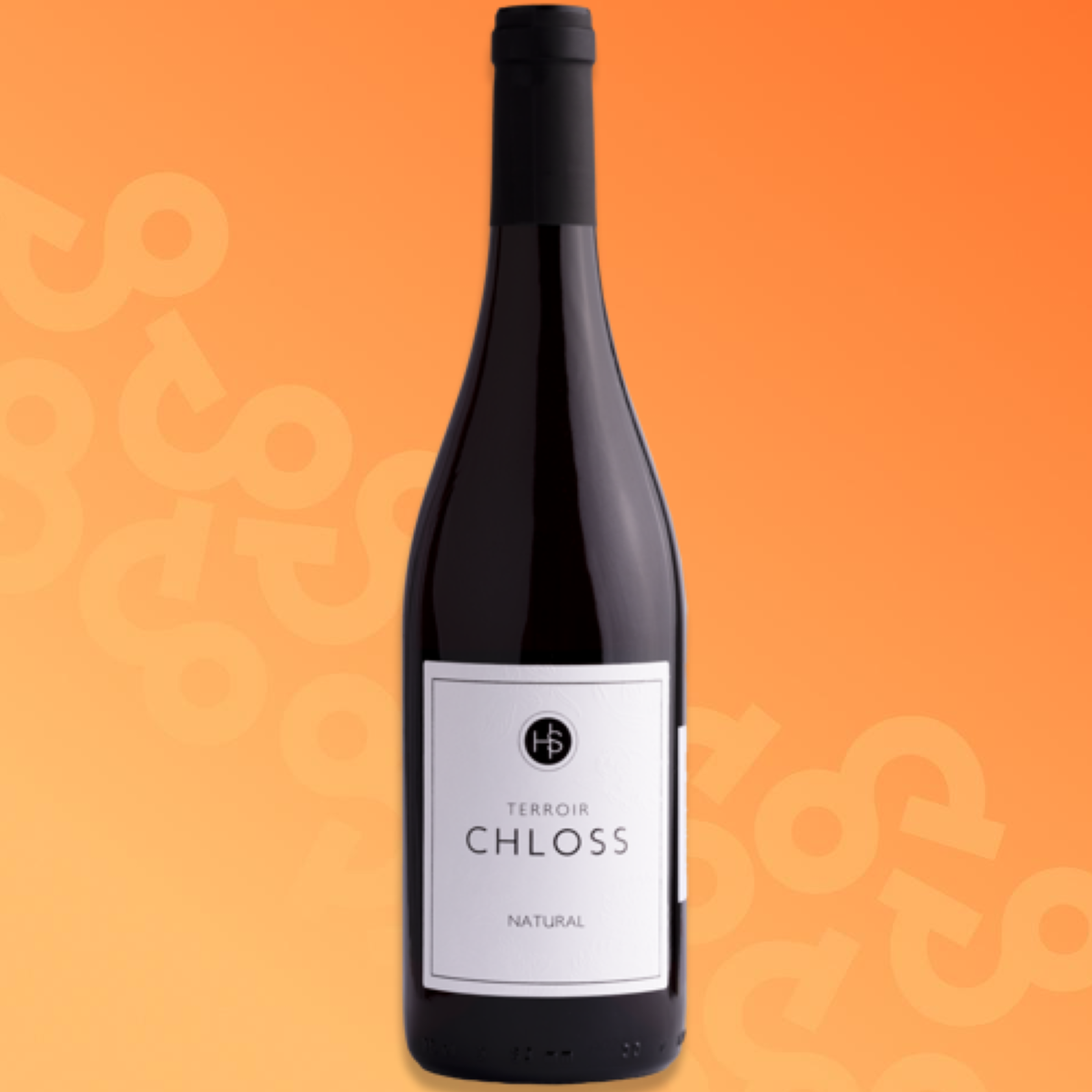
Chloss Terroir Natural Wine
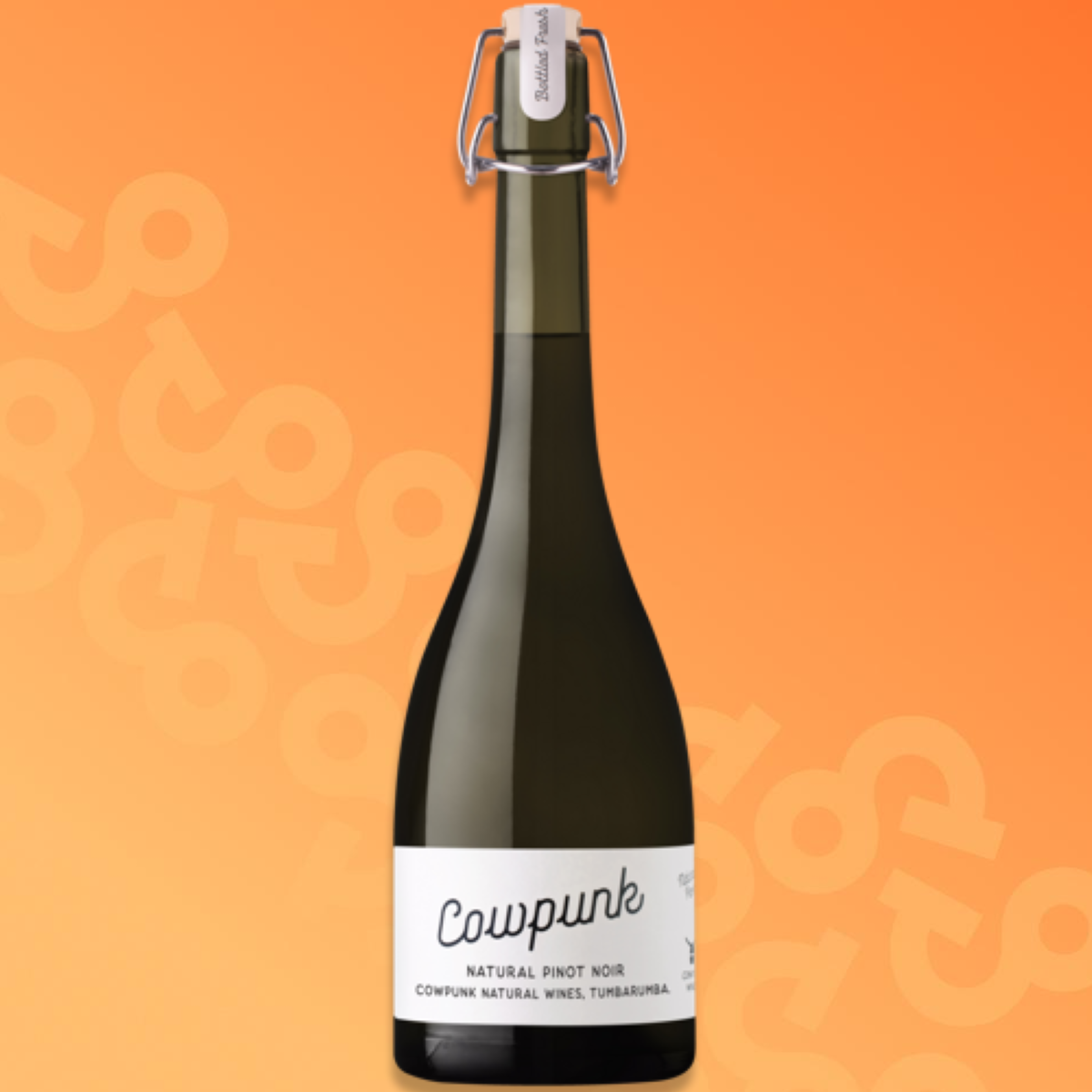
Prices as of November 16, 2026, as reported by Gall & Gall. See Gall & Gall for current prices and availability. Glazen.nl receives a small commission if you buy something through these links; you pay nothing extra. No one under 18; no alcohol.
Everything for your bar,
at one address
Hospitality-quality glasses, sold in sets. Order today and get them delivered quickly.
Shop the glasses →