RCR Melodia Port Glass Nick and Nora 14 Cl - 6 Pieces

Onis Bespoke Cocktail Glass 15,5 Cl Nick & Nora - 6 Pieces

Bormioli Rocco Novecento Cocktail Glass 15,5 Cl Nick & Nora - 4 Pieces

Bormioli Rocco America'20S Liqueur Glass 14 Cl Nick and Nora - 6 Pieces

The Dry Martini recipe
for your table
Chill the martini glass in the freezer beforehand, or fill it with ice for a moment.
Fill a mixing glass with ice and add the gin and vermouth.
Stir for 30 seconds, until the mixture is ice-cold. Stirring keeps the cocktail clear.
Strain it into the chilled glass and garnish with a lemon twist or an olive.
What did you think of this recipe?
Just click a star once. If you’d like to add a comment, we’ll review it before it appears here.
Save this recipe
Send the Dry Martini recipe to your own email, so you’ll have it on hand when you’re ready to make it. You’ll also get a €5 discount code when you spend €50 or more on the glasses that go with it.
The story
Bartenders have disagreed for generations about where the Martini originated. Was it in California during the Gold Rush, as the 'Martinez'? Or does the name come from the Italian vermouth maker Martini & Rossi? What we do know is that the cocktail took its familiar form in the early twentieth century. After that, it only got drier, with more gin and less vermouth. Ernest Hemingway, Winston Churchill and a string of Hollywood stars helped build the legend. Everyone agreed on one thing: a Martini must be ice-cold.
The right glass
For a Dry Martini, choose the classic martini glass, with a cone-shaped bowl on a long stem. Hold the glass by the stem so your hand doesn’t warm the drink. The wide opening lets the aromas of gin and lemon shine. Choose a small size of 19 to 21 cl. A Martini is meant to be small and ice-cold, not large and lukewarm. We have sleek modern glasses and models with an art deco look. If you’d like a smaller glass that’s less likely to spill, take a look at our Nick & Nora glasses.

RCR Timeless Martini Glass 21 cl (6 pieces)

Onis Spksy Martini Glass 19 cl (6 pieces)
Both sets together € 70,90.
The right tools
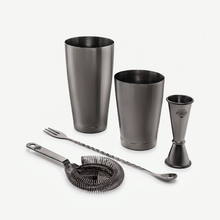
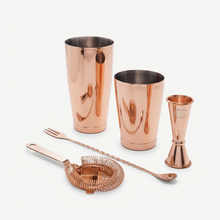
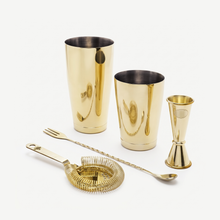
For a Dry Martini, alongside the glass, you’ll need a mixing glass, a bar spoon for stirring, a jigger for precise measuring, a julep strainer and a zester for the twist. These are the bar tools we use ourselves; find everything in our bar tools & cocktail sets.


Glass set (our choice 01) + 5 bar tools together € 115,70.
What do you need to make a Dry Martini?
To make a Dry Martini, you need gin and genever. Well-known bottles include Grey Goose and Martini. Each spirit page tells you the alcohol percentage, what it tastes like, which cocktails it goes with and what glass you need.


Variations & twists
You can make a Martini 'wet', with more vermouth, or 'bone dry', with almost none. With an olive or a twist. Everyone likes theirs a little differently. A Dirty Martini gets a splash of olive brine, and a Gibson gets a cocktail onion. Ask your guests how they like it; that conversation is part of the fun. Use Old Tom gin, maraschino and a hint of absinthe, and you have a Tuxedo. For more ideas, browse our 100+ cocktail recipes.
Serving tip
Put your gin in the freezer and chill your martini glasses in the fridge. Rub the rim of the glass with lemon zest before pouring. That first aroma at your nose makes a big difference.
Good to know
The gin-to-vermouth ratio
Six centiliters of gin to one centiliter of dry vermouth is 6 to 1. By today's standards, that's already quite dry. Around 1900, they still poured equal parts, and the amount of vermouth has steadily decreased ever since. If you really want to taste the vermouth, try 5 to 1.5 or even 4 to 2. That makes for a spicy martini. Just be careful, because dry vermouth is wine and it oxidizes. How long does Martini last once opened? Store the bottle in the fridge and finish it within a month, or all you'll taste is vinegar.
Shaken or stirred
Stir for thirty seconds. Shaking adds air to the cocktail and breaks off tiny shards of ice, making the martini cloudy and robbing it of its smooth texture. In a drink made only with gin and vermouth, you’ll see and taste that straight away. Stir with plenty of ice in a mixing glass until the outside turns frosty. This adds about twenty percent water, just enough to mellow the alcohol a little. A shaken martini is fine too, and has its fans. You’re choosing a colder, slightly more diluted version with foam.
Wet, dry and bone dry explained
It all comes down to how much vermouth is in it. Wet is generous, about 4 cl gin to 2 cl vermouth, so you can really taste the herbs and a hint of sweetness. Dry is what we’re making in this recipe: 6 cl to 1 cl. Bone dry or extra dry goes a step further. You just rinse the glass with vermouth, or briefly hold the bottle next to it, as Churchill supposedly did. A perfect martini is something else again, with equal parts dry and sweet vermouth. If you order one at a bar, just ask for it wet or dry.
Dry Martini, Vesper or Gibson
These three stirred gin classics are often confused. A Gibson is simply a Dry Martini with a cocktail onion instead of an olive or zest. The onion gives it a slightly more acidic taste and savory aroma. The Vesper from Casino Royale is made with 6 cl gin, 2 cl vodka and 1 cl Lillet Blanc. It’s shaken, which makes it colder and less spicy. A Dirty Martini gets a splash of brine from the olive jar and turns cloudy and salty. The base is always the same: plenty of gin, something aromatic added, and served ice-cold.
Which gin to use for a Dry Martini cocktail
Here, the gin does almost all the work. There’s nothing to hide behind. A classic London Dry with plenty of juniper gives the Dry Martini cocktail its backbone. Modern gins that smell mostly of cucumber or flowers often taste a little flat after thirty seconds of stirring. Pay attention to the alcohol content, too. Gin must be at least 37.5 percent alcohol, but at 43 to 47 percent, more flavor remains after stirring. If the bottle comes straight from the freezer, you can stir it for less time.
Martini Dry Vermouth from Noilly Prat
When people search for Martini Dry vermouth, they usually mean the white, dry vermouth most commonly found in Dutch cupboards. The label calls it Extra Dry. It's a good place to start, but there's more to explore. Noilly Prat from southern France is saltier and woodier. Dolin Dry from Chambéry is lighter and more floral. If you want a dry martini that stays herbaceous, Dolin is a good choice. Always taste your vermouth neat and chilled first. If it tastes sharp or musty, you'll taste that just as strongly in your glass.
Frequently asked questions
What goes into a martini?
A classic Dry Martini contains only gin and dry vermouth. We use 6 cl gin to 1 cl vermouth, stirred with plenty of ice, with a lemon twist or green olive. That's all there is to it. The difference comes down to the temperature, the ratio, and a pre-chilled glass.
What is the right ratio of gin to vermouth?
Six parts gin to one part vermouth is the standard now. If you want it wet, go closer to 4 to 1. Bone dry is little more than rinsing the glass with vermouth. Just ask what your guests prefer; that conversation is part of it.
Should you shake or stir a Dry Martini?
Stir it. Thirty seconds with plenty of ice makes it ice-cold and keeps it clear. Shaking adds air bubbles and makes the drink cloudy and sharper. Only shake it if you specifically want that cloudy version.
Which glass should you use for a Dry Martini?
The classic martini glass has a cone-shaped bowl, ideally holding 19 to 21 cl. The long stem keeps your warm hand away from the drink, while the wide opening releases the aroma of gin and citrus. So keep it small and ice-cold. Browse our martini glasses.
Everything for your bar,
at one address
Food-service-quality glasses, sold in sets. Order today and receive them quickly.
Shop glasses →