Luigi Bormioli Thermic Glass Cappuccino Glass 24 Cl Sublime Cappuccino - 2 Pieces

Luigi Bormioli Thermic Glass Coffee Glass 11 Cl Michelangelo - 2 Pieces
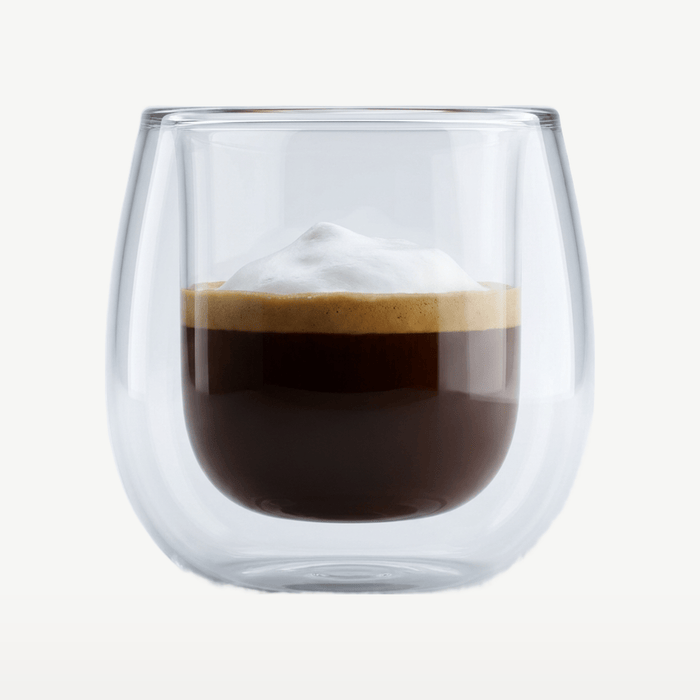
Luigi Bormioli Thermic Glass Coffee Glass 11,5 Cl Ametista - 2 Pieces

Luigi Bormioli Thermic Glass Conical oil bottle 25 Cl

The Ginger Tea Recipe
for your table
Wash a piece of ginger about three centimeters long and shave it into thin slices, cutting across the grain. If you scrub the root clean, you can leave the skin on. If you peel it, you’ll also remove the layer of flavor just beneath the skin.
Put the slices in a glass or jug and pour boiling water over them. Ginger isn’t a tea leaf, so it won’t turn bitter. You don’t need to let the water cool first, as you do with green or white tea.
Let it steep for five to ten minutes with a saucer on top. That keeps the aromas in your cup. After five minutes, it’s mild; after ten, it’s firmly spicy. Wait longer and it will only get spicier.
If it’s strong enough, remove the slices. Squeeze a slice of lemon over it and stir in the honey once the water is no longer boiling. If you’re pouring from a pot, leave the slices in. Each glass will then be a little stronger.
What did you think of this recipe?
One click on a star is all it takes. If you’d like to add a comment, we’ll review it before it appears here.
Save this recipe
Email the Ginger Tea recipe to yourself so it’s handy when you’re ready to make it. You’ll also get a € 5 discount code when you spend € 50, for the glasses that go with it.
The story
Ginger is the rhizome of Zingiber officinale. The plant is native to tropical Asia, but most ginger now comes from China, India, Nigeria, and Peru. Its pungency comes from gingerol. This compound gives fresh ginger its sharp, almost warming flavor. When ginger is dried and ground, gingerol changes. That’s why ground ginger tastes earthy and peppery, rather than fresh and sharp. In the Netherlands, ginger was long known mainly from gingerbread and syrup. Now it’s just as often served at the table as a pot of hot water. The thinner you slice the root, the more ginger comes into contact with the water. That determines how strong your cup will be.
The right glass
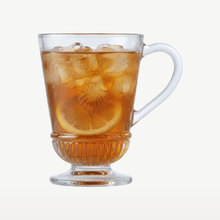
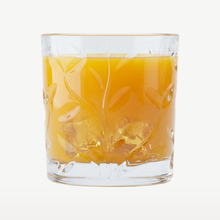
A cup of ginger tea often sits on the table for twenty minutes or more. That’s when you notice what a glass can do. With a handle, you won’t burn your fingers on the hot sides. There’s enough room for the ginger slices, and you can easily fish them out with a fork through the wide opening. If your tea gets cold too quickly, try a double-walled tumbler. It keeps the heat in and stays cool on the outside. Find more well-insulated glasses in the double-walled glasses collection.

La Rochère Lyonnais Tea Mug 27.5 cl (6 pieces)

Luigi Bormioli Thermic Glass Tumbler 35 cl (2 pieces)
Both sets together € 63,90.
The right tool
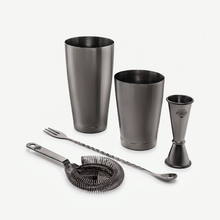
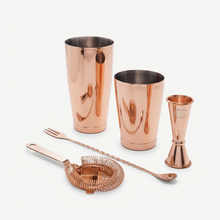
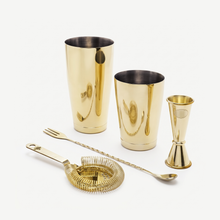
For ginger tea, alongside your glass, use a citrus juicer to squeeze the lemon and a long bar spoon to stir in the honey. These are the bar tools we use ourselves; find them all in our bar tools & cocktail sets.


Glass set (our pick 01) + 2 bar tools together € 63,85.
What splash goes in your ginger tea?
Ginger tea is great without a shot, but ginger and spirits go well together: rum and ginger make the pair in a dark 'n stormy, vodka and ginger that in a moscow mule, and with whisky, lemon and honey, you have a hot toddy. On each drinks page, you can find the alcohol percentage, what it tastes like, which cocktails it works in, and which glass you need.


Variations & twists
Try orange instead of lemon. It makes the tea sweeter and smoother. Add a sprig of fresh mint for a fresher taste, like in a mojito. Half a teaspoon of turmeric adds color and an earthy note, which pairs well with ginger's heat. For a cold version, steep it overnight in the fridge with twice as much ginger, and it becomes like iced tea. In the mood for something different? Check out our 100+ cocktail recipes.
Serving tip
Set a one-liter pitcher on the table with ten to twelve slices of ginger and top it up throughout the afternoon. Each glass gets a little spicier. Serve honey and lemon on the side. One person wants two slices, another none at all. Cover the glass with a small plate to keep the tea warm and the aroma in.
Good to know
Fresh or ground ginger
Fresh and ground ginger taste different. Fresh ginger is juicy, fresh and zesty. Ground ginger is earthy and peppery from drying, and makes a cloudy, slightly dusty cup. If you do use powder, use about a quarter teaspoon per cup and strain the tea before serving. The powder doesn’t dissolve well. If you want a clear cup with a kick, always choose fresh.
Should you peel ginger?
No. There’s a lot of flavor just under the skin. Scrub the root clean under the tap with a brush and slice it with the skin on. If the skin is dry, wrinkled or tough, scrape it off with the back of a teaspoon. That removes only the outermost layer and leaves the flesh intact. A vegetable peeler takes off far too much.
How do you cut ginger for tea, or should you grate it?
This makes the biggest difference to the sharpness. Thin slices, cut across the grain, release their flavor gradually. You get a clear cup and can control the strength yourself. If you grate the ginger, the surface area is much larger and juice comes out of the cells. Within a minute, you’ll have cloudy, much sharper tea. And it will keep getting sharper because the grated ginger stays in the water. If you want that kick without the bits, grate it and strain before serving.
How long to steep it, and how long it can sit
After five minutes, you’ll have a mild cup; after ten, a firmly sharp one. Ginger doesn’t turn bitter, so feel free to leave the slices in for an hour. It will only get sharper, which is why a pitcher works so well. After a few hours, though, the tea gets cloudier and smells less fresh. It’s better to make a new pitcher than to keep drinking the same one all day.
A pitcher for the whole day
For a liter, use ten to twelve thin slices. That's a piece of ginger about eight centimeters long. Pour boiling water over it, let it steep for ten minutes, then keep the pitcher on a low warming plate or pour the tea into a thermos. If you want it sharper, leave the slices in. Otherwise, strain them out once it's strong enough. Add lemon to each cup, not to the pitcher. After hours in warm water, lemon juice loses its freshness.
Lemon, mint, turmeric and orange
Lemon definitely belongs and brings out a little more sharpness. Squeeze it into each cup and leave the slice in, so you can smell the peel too. Fresh mint can steep in the water with the ginger and makes the cup fresher. Turmeric adds color and an earthy note. Half a teaspoon per pitcher is enough. Orange is the sweetest choice and goes well with honey.
Frequently asked questions
How much ginger do you use for a cup of ginger tea?
About three centimeters of fresh ginger, thinly sliced, per 250 milliliters of water. For a liter, you'll need ten to twelve slices, so an eight-centimeter piece. If you grate the ginger, use half as much. Grated ginger releases a lot more heat much faster.
Should you peel fresh ginger for tea?
No. Scrub the root clean under the tap and slice it with the skin on, because there's a lot of flavor just beneath the skin. If the skin is dry and hard, scrape it off with the back of a teaspoon. That way, you only remove the outer layer and keep the flesh.
How long should ginger tea steep?
Five minutes for a mild cup, ten for a strong one. Ginger doesn't turn bitter, so the longer you leave it, the stronger it gets. Cover it with a saucer while it steeps. That keeps the aroma in your cup and out of the kitchen.
Can you make ginger tea with ground ginger?
Yes, but you can taste the difference. During drying, the pungent compound turns into gingerol, which tastes earthy and peppery rather than fresh. Use about a quarter teaspoon per cup and strain the tea before pouring. The powder doesn't settle neatly to the bottom.
Also delicious
Everything for your bar,
to one address
Hospitality-quality glasses, supplied in sets. Order today, delivered fast.
Shop the glasses →