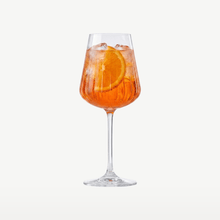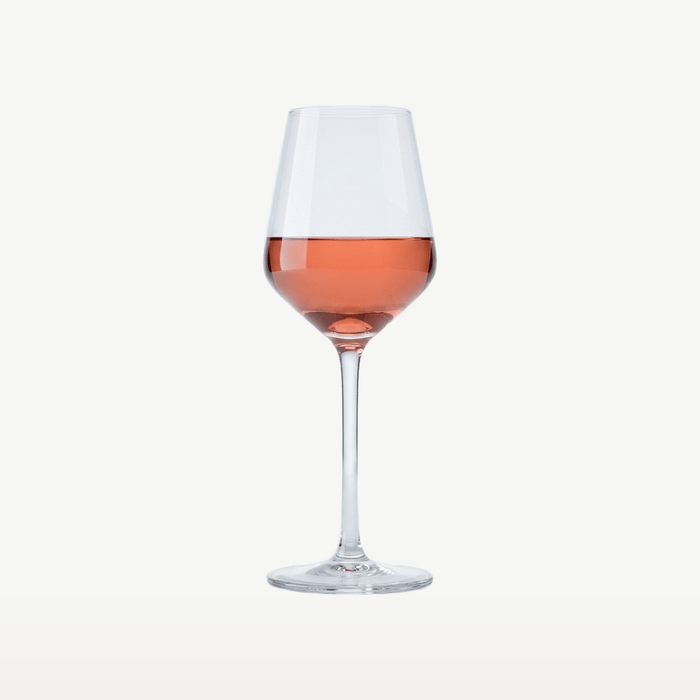
Royal Leerdam Carre Wine Glass 28 Cl - 6 Pieces
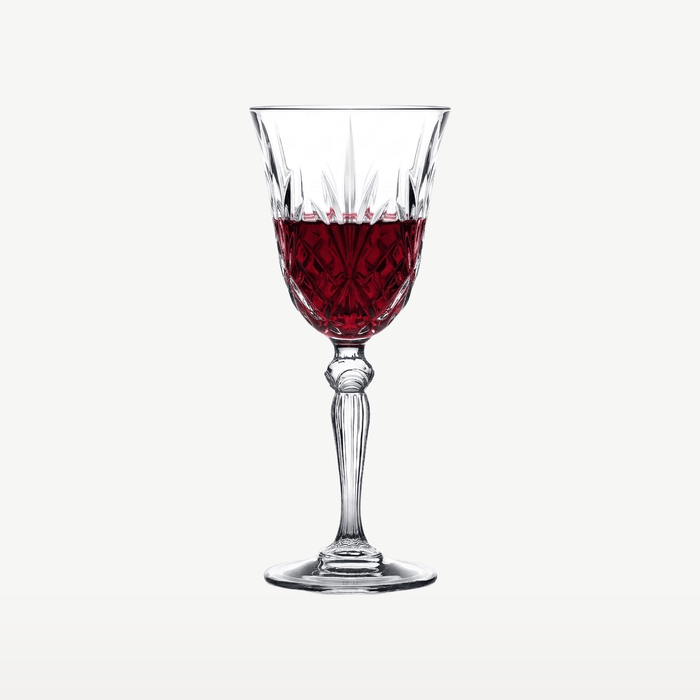
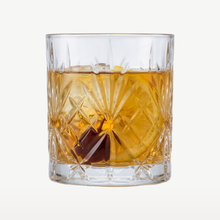
RCR Melodia Wine Glass 21 Cl - 6 Pieces
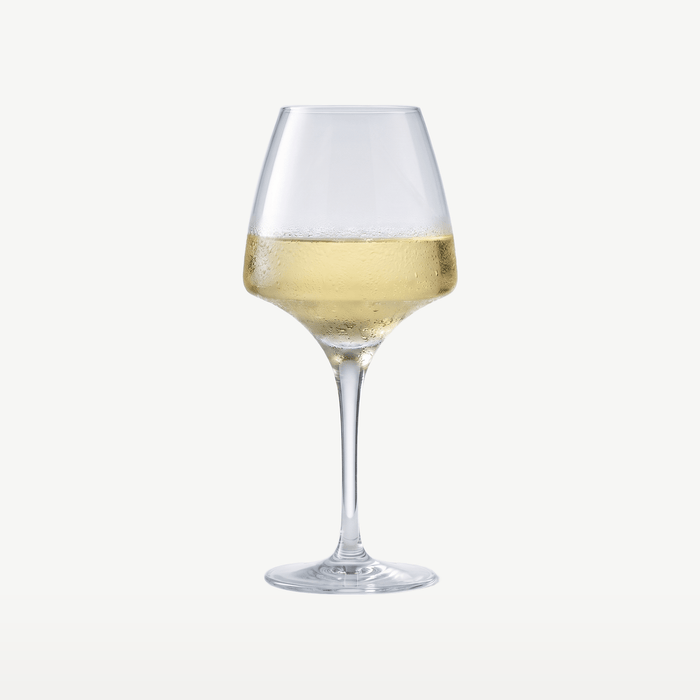
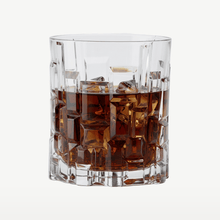
Chef & Sommelier Open Up Pro Tasting Wine Glass 32 Cl - 6 Pieces
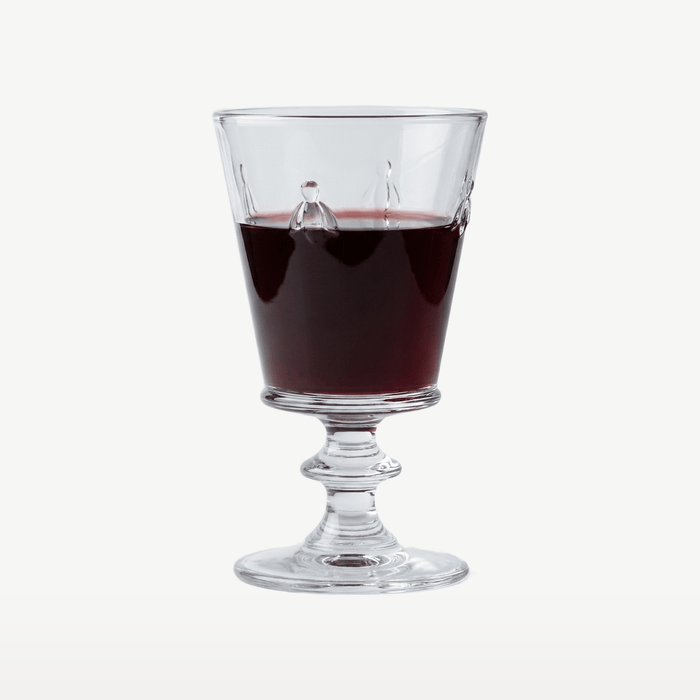
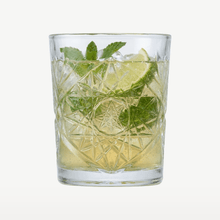
La Rochère Abeille Wine Glass 24 cl - 6 Pieces

How to pour
alcohol-free wine in
Put the bottle in the fridge for at least three hours, or in a bucket with water and ice for half an hour. Serve alcohol-free wine colder than the original: at 6 to 8 degrees, its thinner body is less noticeable and the freshness comes through. When it's lukewarm, the sweetness takes over.
Open the bottle. If it has a cork with a wire cage, loosen the cage while keeping your thumb on the cork, then turn the bottle, not the cork, and let the cork escape with a sigh rather than a pop. With a screw cap or a regular cork, open it as you normally would.
Decanting serves little purpose here, and with a sparkling version it works against you: the bubbles themselves mask what the alcohol no longer contributes. So keep the bottle sealed and cold until you pour. Only with a still red can a few minutes of air open up the aroma a little.
Pour until the glass is about one-third full, using the same type of glass as for the original: a flute or tulip for sparkling wine, a wine glass for still wine. Put the bottle back in the fridge between pours and, ideally, finish it the same day, because the aromas and bubbles disappear quickly.
What did you think of this guide?
Just click a star once. If you'd like to add a comment, we'll review it before it appears here.
Save this page
Send this page to your own email so you have the information handy when it's time to pour. You'll also get a € 5 discount code on purchases of € 50 or more for the glasses that go with it.
The story
Non-alcoholic wine isn't made without alcohol, but with it. First, you make a regular wine, with grapes and fermentation and everything that goes with it. Then the alcohol is removed. This can be done using vacuum distillation, where the wine boils at a low temperature under low pressure, so the flavor is less affected. It can also be done using reverse osmosis, where the wine is passed under pressure through a membrane that lets alcohol and water through while holding back the rest. The third method is the spinning cone, a rotating column that first captures the volatile aromas separately and then adds them back in.
The right glass
The principle is simple: use the glass that goes with the original. Non-alcoholic sparkling wine goes in a flute or tulip glass, so the bubbles don't disappear all at once, and non-alcoholic white wine goes in a regular wine glass. There is no special glass for non-alcoholic wine, not in this range and not as a specific design. These wines are best served cold, so a long stem helps: you won't have to hold the bowl. Also see the white wine glasses and, for keeping the bottle cool between pours, the wine coolers.

Chef & Sommelier Open Up Champagne Glass / Flute 20 cl (6 pieces)

Bormioli Rocco Premium Wine Glass 33 cl (6 pieces)
Both sets together € 83,90.
The right tools
For a bottle of alcohol-free wine, besides a glass, you mainly need a corkscrew and a wine cooler, because keeping it cold is half the battle here. The bar tools below come into play when the bottle goes into a mocktail: a jigger for measuring and a citrus juicer for fresh juice. These are the bar tools we use ourselves; find them all in our bar tools & cocktail sets.


Glass set (our choice 01) + 2 bar tools together € 78,85.
Which drink goes with this?
Alcohol-free wine contains no or almost no alcohol, but it starts out as regular wine. These pages explain where the originals come from, from prosecco to champagne. Each drink page tells you the alcohol percentage, what it tastes like, which cocktails it goes with and which glass you need.


Variations & twists
Not every style works equally well. Sparkling wine works best, because the bubbles and acidity make up for what the alcohol no longer provides. Aromatic whites come next: Riesling, Sauvignon Blanc and Muscat bring so much fragrance of their own that there’s plenty left. Full-bodied red wine is the hardest, because alcohol is what gives it body and roundness. Also check the label: “alcohol-free” is used for wines with up to 0.5 percent alcohol, while 0.0 means zero. Read more? Explore all drinks and brands.
Servingtip
Serve at 6 to 8 degrees and keep the bottle cold between pours, because the residual sugar becomes more noticeable when the wine is warm. Finish the bottle the same day: aromas and carbonation fade faster than in wine with alcohol. Pair it with food that has plenty of flavor of its own, such as smoked fish, a salad with lemon, or something spicy, because the sweetness of many alcohol-free wines works well with these.
Good to know
How the alcohol is removed
There are three common methods. With vacuum distillation, reduced pressure lowers the boiling point, so the alcohol evaporates at a low temperature and the flavor is less affected. With reverse osmosis, the wine is passed under pressure through a membrane that lets only alcohol and water through, after which the water is returned. The spinning cone method runs the wine as a thin film through a rotating column, captures the volatile aromas first, then removes the alcohol and adds the aromas back in.
Why it’s so difficult
Alcohol does more in wine than you might think. It contributes to the mouthfeel, gives a sweet impression without adding sugar, and carries aromatic compounds to your nose. Remove it, and all three effects disappear at once, leaving something thinner and flatter. That’s why producers often add grape juice, a sweetener, or carbonation to fill the gap.
Alcohol-free versus 0.0
“Alcohol-free” is the term used for wines with up to 0.5 percent alcohol. So they usually still contain a small amount of alcohol. If the label says 0.0, then it contains none. This usually makes little difference to the taste; if you want to know exactly what it contains, check the label.
Which styles work best
Sparkling wine is the easiest to make: the bubbles and acidity fill the space left by the alcohol, so the difference from the original is least noticeable. Next comes aromatic white wine, such as Riesling, Sauvignon Blanc, and Muscat, because these grapes naturally have plenty of aroma. Full-bodied red wine is the hardest, because alcohol did the most work there, and what remains is often thinner and sweeter.
Why sugar or carbonation is added
After the alcohol is removed, little body remains. Grape juice or a sweetener restores some of that roundness, while carbonation gives the drink a little lift. The amount added varies greatly from bottle to bottle. The sugar content is often listed on the label, and for sparkling versions, a designation such as brut or demi-sec gives you some indication.
Frequently asked questions
How is alcohol-free wine made?
First, wine is made as usual, using grapes and fermentation. Then the alcohol is removed by vacuum distillation, reverse osmosis, or a spinning cone. The aim in all three cases is to remove the alcohol without taking the aroma and flavor with it, which is never entirely possible.
What is the difference between non-alcoholic and 0.0?
The term non-alcoholic is used for drinks containing up to 0.5 percent alcohol, so there is usually still a small amount of alcohol in it. 0.0 means zero. This usually makes little difference to the taste; if you want to know exactly what’s in it, read the label.
Why does non-alcoholic wine taste thinner?
Alcohol gives wine body, creates a sweet impression and carries aroma compounds to your nose. When it is removed, all three are lost at once. Producers often fill that gap with grape juice, sweeteners or carbonation, but the result is still a different drink from the original.
What glass should you serve non-alcoholic wine in, and at what temperature?
Serve it in the same glass as the original: a flute or tulip glass for sparkling wine, a wine glass for still wine. Serve it chilled, at around 6 to 8 degrees, as the thinner body is less noticeable when cold. Finish the bottle the same day, as its aroma and carbonation fade quickly.
Also delicious
Buy non-alcoholic wine
Want the bottle delivered straight to your home? Order non-alcoholic wine online at Gall & Gall.
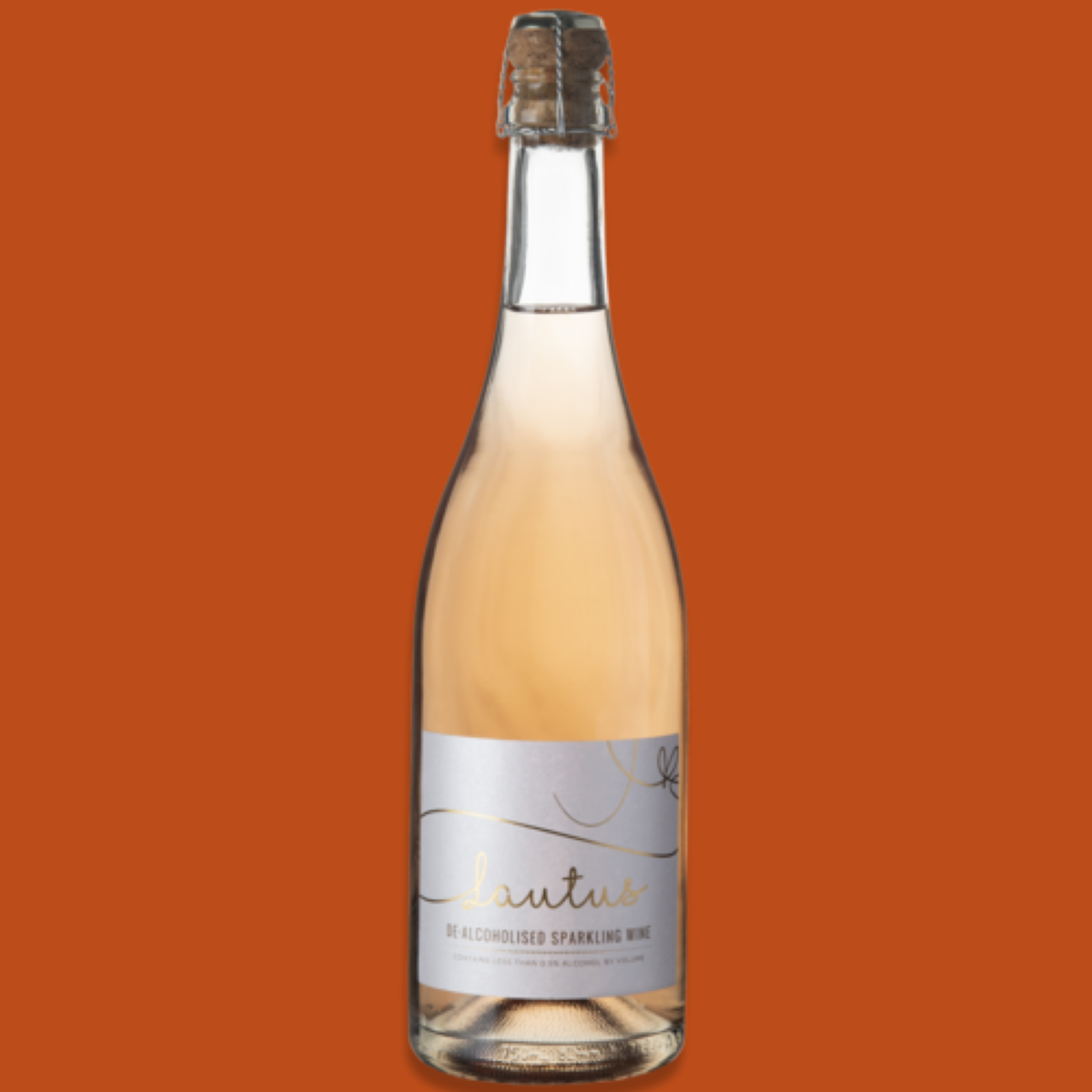
Prices as of November 21, 2026, as reported by Gall & Gall. You can see the current price and stock at Gall & Gall. Glazen.nl receives a small commission if you buy something through these links; you pay nothing extra. No under-18s, no alcohol.
Everything for your bar,
to one address
Professional-quality glasses, delivered as a set. Order today, delivered quickly.
Shop the glasses →