


A full house, a busy terrace, and then you discover that your most-used glasses have run out or are covered in a cloudy film. That is exactly why buying glasses for hospitality takes more than choosing an attractive design. Start with your menu, choose one clear range for each occasion, and stock two to three times your peak usage so you never have to wait for clean glasses during a rush.
The right glassware supports your service, presents your drinks better, and stays presentable even after many wash cycles. Below, we cover your menu, occasions for use, glass durability, stock, storage, and brand selection.
Start with your menu, not the shelves
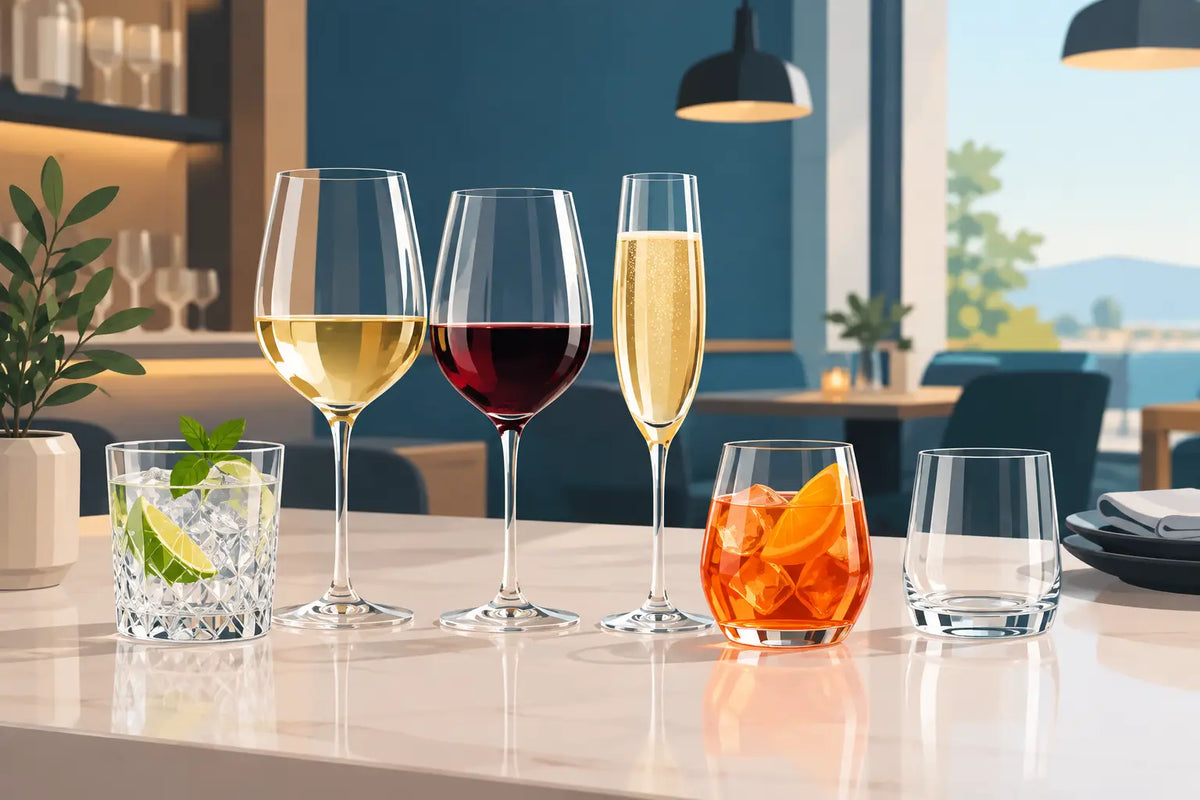
A cocktail bar, café, and wine restaurant each have different needs. So first consider what you actually serve, how often, and on which occasions. If you serve a lot of specialty beer, beer glasses deserve attention. If coffee is in high demand after dinner, heat-resistant coffee glasses are not an afterthought. And if wine pairings make up a significant share of your revenue, the shape of the wine glass directly affects the dining experience.
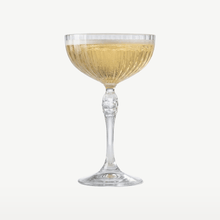
Also distinguish between glasses guests notice and those that mainly need to be practical. An elegant coupe glass completes a celebratory cocktail moment. For water, soft drinks, and breakfast service, a sturdy style from the tumbler glasses range is often the logical, efficient choice. This mix keeps your presentation strong without requiring you to buy a separate style for every drink.
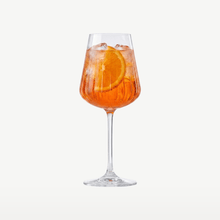
Think ahead, too. If a seasonal cocktail or alcohol-free aperitif is planned, choose a glass that will still be useful beyond that one season. A versatile highball glass is often a better investment than a distinctive design that sits in storage for the rest of the year.
Choose by occasion, not by glass type
The best basic selection is simple. Limit the number of ranges, but make sure each one has a clear purpose. For many hospitality businesses, a combination of water glasses, highball glasses, wine glasses, beer glasses, and coffee glasses works very well. Add cocktail glasses when cocktails have a prominent place on the menu, not just because they look good.
Water glasses and tumblers for all-day use
Water glasses are often the most frequently used and least carefully handled. So choose a style that feels comfortable in the hand, fits well in racks and is easy to stack if your workflow calls for it. A slightly heavier glass gives guests a sense of quality, but takes up more space and can be more tiring for staff carrying lots of trays.
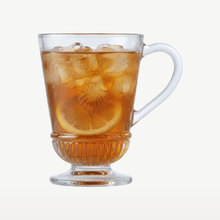
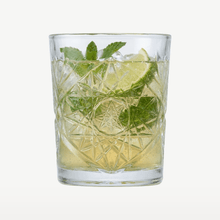
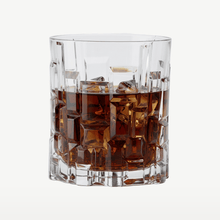
Tumblers are versatile enough for water, soft drinks, juice and mixed drinks. That makes them a good choice for lunchrooms, hotels and patios. Be sure to consider capacity. A generous glass looks welcoming, but for soft drinks with ice or a measured cocktail, an oversized glass can make the presentation look unbalanced.
Wine glasses: shape matters, but so does practicality
A good wine glass gives aromas room to develop and makes pouring easier, but hospitality glasses also need to stand up to daily use. A large, delicate glass is perfect for an extensive wine list. In a busy grand café, a slightly more compact universal wine glass may be a smarter choice: it is quicker to use, takes up less cupboard space and reduces the risk of breakage.
A universal style from the wine glasses range is ideal if you offer an approachable menu with red, white and rosé. If you serve distinctive grape varieties, premium bottles or wine pairings, a separate shape for red and white wine can noticeably enhance the experience. Just choose a range that you can easily add to later.
Beer and cocktail glasses as part of your signature style
Beer should not just be served in any old glass. A tulip shape enhances the aroma of craft beer, a slender pilsner glass shows off its color and bubbles, and a sturdy glass from the beer glasses range is better suited to a casual draft beer experience with pilsner. Consider the pour size, the head and enough room at the top. A glass that seems large enough on paper is not always suitable for a neat serve.
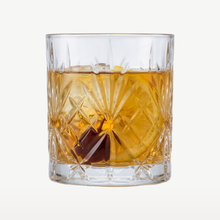
The same applies to cocktails. A martini or coupe glass is elegant, but requires care when transporting. A rocks glass or sturdy highball glass is more forgiving on a busy patio. Match your choice to the style of your menu and the work behind the bar. The most beautiful garnish loses its effect if the glass is awkward to carry, fill or wash.
Durability is about more than thick glass
Professional glassware needs to withstand knocks, but thicker is not automatically better. Quality also comes down to the rim finish, balance, base stability and suitability for commercial dishwashing. A thin rim can feel refined, while a well-designed glass can still be sturdy enough for intensive use.
Always check whether the glass is dishwasher-safe and consider how many times a day it will go through the dishwasher. Glass that stays clear for a long time saves on replacement costs and keeps your tables looking well cared for. Also pay attention to the shape: deep corners or very narrow openings can be harder to clean and are more likely to retain water.
For outdoor venues, festivals, and very high turnover, extra-durable glassware may be the smartest choice. For a business where the dining experience takes center stage, appearance can sometimes matter more. There is no universally best material or model, because the right choice depends on how busy you are, your service standards, and how your staff work. The article on reducing glass breakage in the hospitality industry explains how to reduce it further with your bar station and dishwashing.
Plan for working stock, not place settings
Anyone who buys exactly forty water glasses for forty seats will soon find themselves short. Glasses are being washed, are on tables, are in use behind the bar, or are on their way to the dishwashing area. You also always have to account for breakage. So buy based on your busiest periods and keep a reserve that matches your turnover rate.
For the core of your assortment, two to three times your maximum simultaneous usage is often a realistic starting point. A terrace, event venue, or business with frequent, quick table turnover may need a larger stock. Also match quantities to your storage space, because a large stock is only useful if you can store it safely, neatly, and dust-free.
Include a small replacement buffer in your order. It’s frustrating when a range changes over time and you suddenly have to switch to a glass that looks almost the same. Keeping a few extra pieces on hand from the start helps maintain a consistent presentation.
Match sizes, racks, and storage
A glass can be perfect for your concept and still prove impractical once it reaches the dishwashing area. So measure the height of your dishwasher, glass racks, shelves, and cabinets in advance. Tall wine glasses need not only more cabinet space, but also suitable racks and more careful handling.
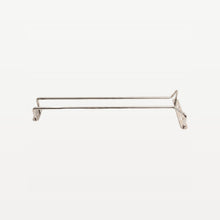
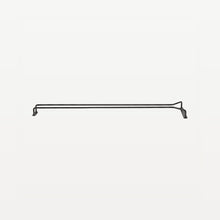
Stacking saves space, but not every glass is designed for it. Use only models that can be stacked safely. Glasses that stick together or create a vacuum can damage the rims and slow down your team. For stemmed glasses, adequate spacing in the rack is important so the stems and bases do not touch.
Choosing one range also has a practical advantage. Standard sizes make storage, counting, and reordering easier. A carefully curated collection can certainly have variety, but avoid ending up with a collection of unrelated models with no clear purpose.
Choose brands and designs that support your concept
Glassware says something about your venue without a word. Clean, clear lines suit a modern restaurant. Textured or colored glass adds character to a bistro, beach club, or cocktail bar. Classic coupes and carafes evoke a sense of care and hospitality. Just make sure that appearance never comes at the expense of practicality.
Brands such as Spiegelau, RIEDEL, Royal Leerdam, Chef & Sommelier, RCR, and La Rochère offer a range of styles and price points. Compare not only the purchase price per item, but also the expected lifespan, how easy items are to restock, and the effect on your service. If in doubt, first order a small quantity to test in practice: have your team pour, carry, clear, and wash the glasses, and you’ll quickly see whether a glass suits the pace of your venue.
Finally, don’t wait until stock is critically low. Count your core collection regularly, record breakages, and see which glasses get broken most often. Plan replenishments before busy seasons and large bookings, so you can give your team peace of mind. At Glazen.nl, you’ll find a wide selection for different drinking occasions, helping you build a collection step by step that works as hard as your staff.
Frequently asked questions
How many glasses of each type should you buy?
Allow for two to three times the number of glasses you use at once during your busiest service round. That way, one batch can always be clean while the previous one is still in the dishwashing area. For a terrace or quick table turnarounds, a higher multiplier is sensible.
Which glasses are best suited to a busy terrace?
Models with a wide base, good balance, and a shape that sits steadily on a tray. Stackable tumblers and sturdy highball glasses often work better outdoors than tall glasses with delicate stems. Make sure, though, that a stackable model can actually be separated without getting stuck.
Is it worth choosing one range for the whole venue?
For your core daily range, yes, because standard sizes make storage, counting, and reordering easier and keep your tables looking uncluttered. You can make a deliberate exception for cocktails, desserts, or arrangements. Keep the number of exceptions limited, or the dishwashing area will get backed up.


Leave a comment
This site is protected by hCaptcha and the hCaptcha Privacy Policy and Terms of Service apply.